

Acupuncture and cupping are two different Traditional Chinese Medicine (TCM) therapies. Acupuncture involves inserting fine needles at certain points to balance the energy flow and correct imbalances within the body. Cupping is the process of placing suction cups on the skin to increase circulation and reduce muscle tension. Both therapies are different in their aims and are often chosen depending on a person’s health requirements and conditions.
Ever walked into a TCM clinic and wondered whether you need acupuncture in Singapore or a cupping session? You’re not alone. The two therapies are often recommended together, but they work in very different ways. Knowing how they differ will allow you to make a more informed choice about your care.
What Is Acupuncture and How Does It Work?
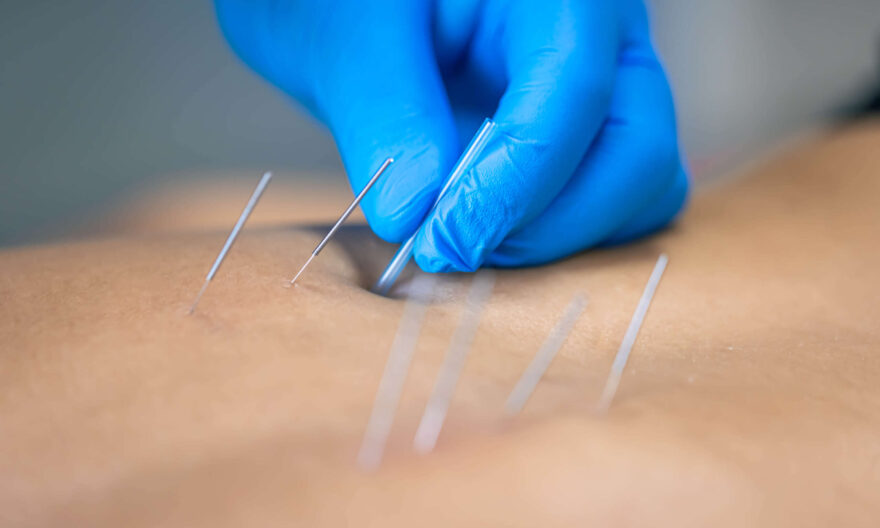
Acupuncture is based on the concept of Qi (pronounced “chee”) – the vital energy that flows through pathways called meridians in the body. If this flow is disrupted, illness and pain may occur. Acupuncture remedies that disruption by inserting ultra-fine, sterile needles at specific acupoints along these meridians.
“Every needle placement is intentional. A qualified TCM practitioner will select points based on your diagnosis rather than a template. That’s what makes acupuncture very individualized.
What Conditions Can Acupuncture Help?
Acupuncture can be used for a wide variety of physical and emotional conditions. Common applications include
- Chronic pain – neck, back and joint pain
- Migraines and headaches
- Digestive problems such as IBS
- Stress, anxiety and sleep disturbances
- Fertility Support & Hormonal Imbalances
- Recovery after surgery and nerve-related conditions
The World Health Organization (WHO) recognizes acupuncture as effective for over 100 conditions, including musculoskeletal pain and chemotherapy-induced nausea – lending significant credibility to its clinical use globally.
What is Cupping Therapy and What Makes It Different?
Cupping therapy Singapore practitioners apply cups, typically made from glass, silicone or bamboo, on the skin and create a vacuum. The suction lifts the skin and superficial layer of muscle, increasing blood flow and releasing connective tissue.
The two main types are
- Dry cupping: Cups are placed on the skin for several minutes
- Wet cupping (Hijama): Cutting small incisions before cupping to let out stagnant blood – less frequent in regular TCM clinics
The telltale circular marks left from a session are not bruises in the usual sense of the word. They are areas of poor circulation or pooling under the skin. They usually disappear in a few days.
What is cupping good for?
Cupping is generally helpful for musculoskeletal complaints on the surface level. It’s especially popular with athletes and active people and for good reason.
- Muscle tightness and stiffness
- TCM healing from sports injuries – especially inflammation after training
- Upper back and shoulder tightness
- e.g. congestion and coughs Respiratory problems
- Support for detoxification and lymphatic drainage
The practice of cupping came to the world’s attention at the 2016 Rio Olympics when many elite athletes were seen sporting cupping marks. Since then, sports clinics in Singapore have witnessed a surge in interest from both recreational and competitive athletes.
Cupping vs Acupuncture Comparison
| Feature | Acupuncture | Cupping
|
|---|---|---|
| Method | Fine needles at acupoints | Suction cups on the skin |
| Primary mechanism | Regulates Qi and energy flow | Improves blood circulation and releases fascia |
| Best for | Internal, systemic, and chronic conditions | Surface tension, muscle tightness, sports recovery |
| Sensation | Mild tingling or pressure at needle sites | Pulling or tightness under the cup |
| Visible marks | Minimal — small needle entry points | Circular marks that fade in 3–7 days |
| Session length | 30–60 minutes | 15–30 minutes |
| Often combined with | Herbal medicine, moxibustion | Acupuncture, TCM massage (Tui Na) |
How do practitioners of TCM choose between the two?
The choice is never purely symptom-driven, which is where TCM treatments differ most from Western medicine. A TCM practitioner will consider your constitution, lifestyle and the root cause of your condition before suggesting a course of treatment.
For example, a presenting complaint of chronic low back pain may be treated with acupuncture for kidney Qi deficiency (internal) or cupping to release muscular tension on the surface, or both in the same treatment. These two therapies are often combined as they target different aspects of the problem.
When Acupuncture is Better
When is acupuncture generally recommended?
- The condition has a systemic/internal component (hormonal, digestive, neurological etc.)
- The patient needs to be stimulated in specific points
- Deep regulation is needed for long-term chronic conditions
- A major factor is mental health
When to Try Cupping
When cupping is generally preferred:
- The problem is limited to muscle groups or the upper back
- The aim is to rapidly relieve physical tension
- The patient is recovering from injury or from strenuous physical activity in sports
- Clear respiratory signs
Are the Two Therapies Safe?
Both are generally safe when done by a qualified practitioner of traditional Chinese medicine (TCM). In Singapore, the Traditional Chinese Medicine Practitioners Board (TCMPB) under the Ministry of Health regulates TCM practitioners. This means practitioners meet clinical training standards and follow professional guidelines before treating patients.
- This being said, each therapy has its own specific contraindications:
- Acupuncture: Not recommended for patients taking blood thinners, those with bleeding disorders or certain stages of pregnancy
- Cupping: Avoid on inflamed skin, sunburned skin or broken skin; not recommended for patients with active skin conditions or bleeding tendencies
Always tell your doctor about all of your medical history before starting either treatment. A good practitioner will adapt their approach accordingly.
Can I receive both treatments in one visit?
Yeah, and fairly common. In fact, a lot of TCM clinics in Singapore provide combo sessions, where they do acupuncture to work on internal imbalances and cupping to relieve surface-level tension in one sitting. This combined approach works particularly well for athletes, desk workers with postural strain and those recovering from injury.
Usually acupuncture is used first to open the body’s energy pathways and then cupping is done to clear any remaining muscular stagnation. The practitioners adjust the combination according to each patient’s condition and response to treatment.
The Right Choice For Your Needs
There is no one answer to which therapy is “better. Acupuncture works inside out – addressing root causes and systemic imbalances. Cupping is a superficial treatment, working from the outside in to release tension and improve circulation. Both are legitimate, evidence-based therapies in the TCM paradigm.
The best way to make that determination is to have a proper TCM consultation. A good practitioner will look at your constitution, consider your symptoms and recommend the most appropriate treatment which could be one therapy or a combination of both.
At HSI Chinese Medicine, we offer patients individualized TCM assessments that remove the guesswork in choosing treatment. Whether you’re dealing with a chronic condition, recovering from a sports injury tcm or just want to improve your overall wellbeing, the best therapy is the one that is tailored to you.
Common Questions
Is acupuncture better than cupping for pain relief?
It is contingent upon the type and cause of the pain. Acupuncture is better for chronic, systemic or nerve pain; cupping is better for surface muscle tension and tightness. A lot of TCM practitioners use both for complete pain management, especially in the recovery of sports injuries.
How long until I see results from acupuncture/cupping?
You can get relief from muscle tension almost immediately from cupping, often within 24 hours. Acupuncture usually takes several treatments before you notice any real improvement, typically four to six for chronic conditions. Acute problems may be more responsive.
Will cupping leave marks on me forever?
No, cupping marks are only temporary. They are circular discolorations due to increased blood flow to the surface and generally fade over three to seven days. The darker the mark, the more congestion there had been in that area.
Are there regulations for acupuncture in Singapore?
Yes. The Traditional Chinese Medicine Practitioners Board (TCMPB) under the Ministry of Health regulates acupuncture in Singapore. TCM practitioners have to be registered and need to meet certain educational and clinical requirements before they can treat patients.
Can Cupping Therapy Help Sports Injuries?
Yes. Cupping is widely used in TCM sports injury recovery to reduce inflammation, increase blood circulation and relieve muscle soreness. Athletes often take it after training or competition to speed up recovery and reduce the time between sessions.
Can pregnant women get acupuncture or cupping?
Certain acupuncture points are contraindicated during pregnancy, so the procedure should only be performed by a qualified TCM practitioner with experience in pre-natal care. Pregnancy: Cupping is generally avoided in pregnancy. Always consult your healthcare provider and TCM practitioner before starting any treatment.