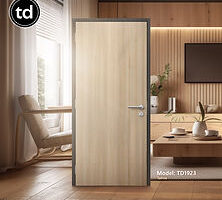


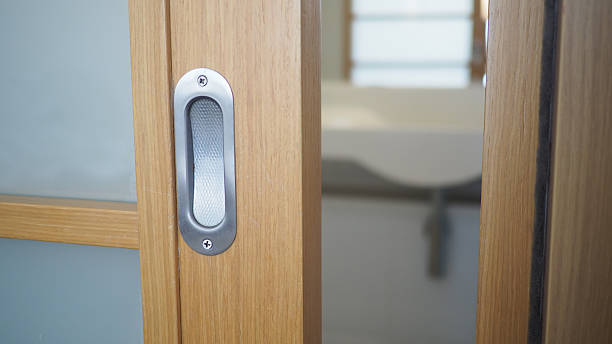
Before choosing a sliding pocket door system, check the wall cavity dimensions, load-bearing status, floor-to-ceiling height, and hardware quality. Consider the door material weight, track type, and whether the layout supports concealed framing. Soft-close mechanisms, acoustic sealing, and ease of installation are equally important factors that determine long-term performance and satisfaction.
Renovating a space in Singapore comes with real constraints — narrow corridors, shared walls, and layouts where every square metre counts. A sliding pocket door system can solve these problems elegantly, but only if you choose the right one for your specific conditions. Rush the selection, and you risk costly rework, poor operation, or a door that simply doesn’t fit into the wall as expected.
This guide walks you through the most important things to evaluate before making a purchase decision.
1. Measure Your Wall Cavity First — Not After
This is where most renovation mistakes begin. A pocket door slides into a concealed cavity within the wall, so the cavity must be at least twice the width of the door panel. If your wall doesn’t have enough depth or space to accommodate the frame system, the entire plan falls apart.
Before anything else, check:
- The wall thickness (minimum 95–100mm is typically required for standard systems)
- Whether the wall is load-bearing — pocket doors cannot be installed in structural walls without engineering consultation
- The presence of electrical conduits, plumbing, or hidden services that may obstruct the cavity
In Singapore’s HDB and condominium units, walls are often thinner than landed properties. Always verify with your contractor or ID before specifying the system.
2. Understand the Difference Between Track and Frame Systems
Not all pocket door hardware is built the same. There are two main approaches to how the door is supported and guided.
Top-Hung Track Systems
The door hangs from an overhead sliding door track mounted within the cavity. The floor is left clear — no bottom guide channel — which is ideal for flush flooring finishes. This is the more popular approach for residential renovations because it looks cleaner and handles heavier panels better.
Bottom-Guided Systems
These use a floor-mounted guide to stabilise the door. They are less common for interior residential use but sometimes appear in commercial applications. The floor channel can be a tripping hazard and complicates tiling or vinyl installation.
For most home renovators in Singapore, a top-hung system with a quality aluminium or steel track is the preferred choice. Look for tracks rated for the door weight you intend to use — typically 40kg to 120kg depending on the product range.
3. Check the Door Weight Capacity
The hardware must match the door you’re hanging. A solid timber door panel will weigh significantly more than a hollow-core or glass panel. Installing a heavy door on hardware rated for a lighter load leads to sagging, track wear, and eventual failure.
Always confirm:
- The maximum load rating of the track and roller system
- The door panel material and its estimated weight per square metre
- Whether the system supports adjustment after installation to correct minor misalignment
Adjustable rollers are worth the extra cost. Doors shift slightly over time, especially in Singapore’s humid climate, where timber can expand and contract with seasonal moisture changes.
4. Evaluate the Quality of Pocket Door Hardware
The hardware is what you’ll interact with every day. Poor-quality rollers, flimsy brackets, or an undersized track will make the door feel cheap — regardless of how premium the panel looks.
When assessing pocket door hardware, look for:
- Soft-close or self-closing mechanisms — prevents slamming and reduces wear on the frame
- Anti-jump rollers — keeps the door on the track during fast or forceful operation
- Stainless steel or zinc alloy construction — resists corrosion in humid environments
- Minimal exposed components — the cleaner the hardware, the better the finished look
Cheap hardware might save a few hundred dollars upfront but will cost more in repairs or full replacements within a few years.
5. Consider Acoustic and Privacy Performance
Pocket doors are not naturally soundproof. Because the door panel retracts into an open cavity, sound can travel through the cavity walls on both sides. For bedrooms, home offices, or bathrooms, this is a critical limitation to plan around.
To improve acoustic performance:
- Choose door panels with higher mass (solid timber or acoustic-rated glass)
- Install brush seals or compression seals around the door perimeter
- Use a system that allows for edge sealing when the door is closed
- Consider acoustic insulation within the wall cavity during renovation works
If privacy is a priority in a pocket door Singapore installation, discuss these sealing options with your hardware supplier before specifying the system.
6. Plan for Pocket Door Installation Complexity
Pocket door installation is more involved than fitting a standard swing door. The cavity frame is typically installed during the construction or hacking phase, before plastering and tiling. If this sequence is missed, retrofitting becomes significantly more disruptive.
Key planning considerations include:
- Coordinating the cavity frame installation with your renovation timeline — it must go in early
- Ensuring wall finishes (tiles, paint, feature walls) are planned around the door reveal and frame dimensions
- Confirming that electrical switch points are relocated away from the pocket cavity
- Checking that the finished floor height aligns with the door bottom clearance
A well-sequenced pocket door installation is seamless. A poorly timed one can require extensive remedial work that delays your entire renovation.
7. Assess the Supplier’s Technical Support and System Completeness
Not all suppliers offer a complete system. Some sell tracks separately from frames, leaving you to source compatible components from different brands — which introduces risk.
A complete system should include:
- The cavity frame or sub-frame
- The overhead sliding door track
- Rollers, brackets, and guides
- Edge pull hardware and flush handles
- Technical drawings and installation guides
Ask whether the supplier offers technical drawings for submission to your contractor. This saves time during the construction phase and reduces the chance of misinterpretation on-site.
Quick Comparison: What to Look For at a Glance
| Consideration | What to Check | Why It Matters
|
|---|---|---|
| Wall cavity size | Minimum 2× door width + frame depth | Determines if installation is physically possible |
| Load bearing status | Structural engineer confirmation | Safety and regulatory compliance |
| Track load rating | Match to door panel weight | Prevents hardware failure over time |
| Hardware quality | Soft-close, anti-jump, corrosion-resistant | Daily usability and longevity |
| Acoustic sealing | Brush or compression seals | Privacy in bedrooms or bathrooms |
| Installation timing | Early in renovation sequence | Avoids costly rework |
| System completeness | All components from one supplier | Compatibility and simpler troubleshooting |
Making the Final Decision
Choosing the right pocket door system is less about aesthetics at the start and more about structural fit, hardware performance, and installation sequencing. Get those fundamentals right, and the design part becomes straightforward.
Cubo Collective offers a range of sliding pocket door systems designed for Singapore residential renovations, with complete hardware kits and technical support to simplify the specification process. If you’re in the planning phase, reviewing their system configurations is a practical starting point before finalising your renovation brief.
Frequently Asked Questions
Can a pocket door be installed in an HDB flat?
Yes, pocket doors can be installed in HDB flats, provided the wall is non-structural and has sufficient cavity depth. Always confirm wall type with your contractor and check HDB renovation guidelines before proceeding. Non-load-bearing partition walls are generally suitable for pocket door installation.
What is the minimum wall thickness required for a pocket door system?
Most pocket door systems require a finished wall thickness of at least 95–120mm to accommodate the cavity frame and door panel. Thinner walls may require a specially designed slim-profile system. Always verify the specific system’s dimensional requirements before purchasing hardware.
How do I stop a pocket door from making noise when it closes?
Install a soft-close mechanism on the track, and add brush or compression seals around the door perimeter. Soft-close dampeners absorb the momentum of the door before it reaches the end of travel, eliminating slamming. Quality rollers and proper track alignment also significantly reduce operational noise.
Is pocket door hardware difficult to maintain?
Pocket door hardware requires minimal maintenance. Periodically clean the track and lubricate the rollers with a dry lubricant or silicone spray. Avoid oil-based lubricants as they attract dust. Check roller adjustment annually, particularly in Singapore’s humid climate where door panels may shift slightly due to moisture.
Can I use a pocket door for a bathroom in Singapore?
Yes, pocket doors are commonly used for bathrooms, but acoustic sealing and moisture resistance are important. Choose hardware with corrosion-resistant finishes and ensure the door panel material is moisture-tolerant. Adding perimeter brush seals improves privacy and reduces sound transmission between rooms.
What is the difference between a pocket door and a barn door?
A pocket door slides into a concealed wall cavity and is completely hidden when open, while a barn door slides along an exposed wall-mounted track and remains visible. Pocket doors offer a cleaner finish and save more usable wall space, making them more suitable for compact Singapore interiors.