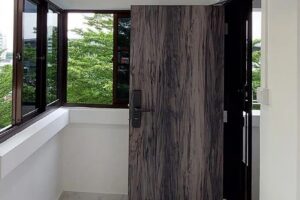
Finding reliable and affordable carpentry services in Singapore can feel like navigating a maze—especially given the wide variation in quality, cost and scope of work. From built-in wardrobes to kitchen cabinetry and feature walls, the right carpenter can elevate your space without blowing your budget. In this guide, we’ll explore what to look for, how to keep costs manageable, and highlight key questions you should ask before committing.
In an age of mass-produced furniture and quick interior fixes, carpentry still holds its place in Singaporean homes. People seek pieces that last. More importantly, they want furniture that fits — not only their spaces but also their lives. That’s where affordable carpentry Singapore services come in.
For many homeowners, finding reliable carpentry means balancing quality, function, and price. Whether you’re building a wardrobe, designing your study area, or planning a full kitchen carpentry upgrade, the choices can feel overwhelming. This guide breaks down what you need to know — from planning to completion — so you can make clear, confident decisions without rushing into anything unsuitable for your home.
Understanding the Value of Carpentry
Carpentry goes beyond hammer and nails. It shapes how you store, cook, rest, and move through your space. Done well, it blends into your life. If done poorly, it becomes a source of regret and inconvenience.
1. Built to Fit Your Lifestyle
- Off-the-shelf furniture often doesn’t suit Singapore’s compact homes. Custom builds take advantage of every corner. The right design can double your storage and reduce the clutter that tends to gather around poorly optimised areas.
2. Long-Term Strength
- Custom wooden pieces age well when built with skill. Many last years longer than factory options. They also stand up better to Singapore’s humid climate, which can warp low-quality materials over time.
Common Types of Carpentry Work in Homes
Before you choose a provider, think about what you need. Here are the most common areas people invest in:
1. Kitchen Carpentry
- In most homes, the kitchen acts as the heart. Good carpentry can improve function, reduce mess, and make cleaning easier. Cabinets, drawers, and countertops must all work together in a way that fits the user’s routine.
2. Wardrobes and Storage
- Fitted wardrobes help organise clothes, shoes, and extras. Sliding doors save space. Compartments reduce waste and create better sorting habits, especially in family bedrooms.
3. TV Consoles and Feature Walls
- A feature wall frames your living area. With built-in shelves and smart cable routes, it clears visual noise and brings calm, especially in open-plan layouts.
4. Study and Work Areas
- With hybrid work on the rise, homeowners want efficient spaces to focus on. A custom desk with built-in power points and drawers helps with both work and rest. It also defines space in homes where room functions overlap.
Choosing Between Custom and Pre-Built Options
Custom builds offer more control, but take more time. Pre-built pieces cost less upfront, but may not fit perfectly or last as long.
Here’s a quick comparison to help you decide:
| Feature | Custom Carpentry | Pre-Built Furniture |
| Fit to your space | Perfect | Often leaves gaps |
| Material choice | Full control | Limited |
| Time to install | Longer | Immediate |
| Price flexibility | More variable | Fixed |
| Durability | Often higher | Varies |
If you value form, fit, and finish — especially in spaces like the kitchen — custom carpentry Singapore firms provide better long-term value, even when costs are carefully managed.
How to Plan for a Carpentry Project?
Planning saves cost, time, and stress. Here are steps to follow before hiring anyone.
1. Know What You Need
- Write down the spaces you want to improve. Be clear about what bugs you — messy drawers, low storage, awkward corners. This helps your carpenter suggest better solutions and avoid guesswork.
2. Take Basic Measurements
- You don’t need perfect numbers yet. Rough widths and heights help when you meet with carpenters. It speeds up discussions and keeps the quotation process accurate.
3. Collect Photos for Inspiration
- Use sites like Pinterest or interior design blogs. Highlight things you like — not just styles, but layouts, handles, or finishes that work for your home’s theme.
4. Set a Realistic Timeline
- Good carpentry takes time. Rushing leads to sloppy work. Plan, especially if it affects your daily routine or overlaps with renovation deadlines.
Finding the Right Carpentry Team
Choosing the right team makes all the difference. Look for more than tools. Look for trust, commitment, and open communication.
1. Look at Past Work
- Photos tell the truth. Ask to see similar projects. Good carpenters are proud to show their results and may even offer references.
2. Visit Their Workshop (If Possible)
- Some carpenters invite clients to their shop. You can see how they build and check their material quality with your own eyes.
3. Ask About Their Process
- How do they measure, design, build, and install? Do they sketch drawings? Will they involve you in material choices, timelines, and finishing decisions?
What Makes Carpentry ‘Affordable’?
The word “affordable” means different things to different people. In carpentry, it doesn’t mean cheap. It means good value for the cost, measured by quality, durability, and how well it serves your home.
1. Smart Material Choices
- Not all wood is equal. Plywood, laminates, and solid wood all serve different needs. A smart carpenter matches material to function and adjusts based on your goals.
2. Focus on Key Areas
- You don’t need to rebuild every cabinet. Sometimes, upgrading key zones — like base cabinets or overhead shelves — gives the impact you want without large-scale work.
3. Combine New with Old
- Reuse parts of older furniture where possible. A good carpenter can blend new builds with existing pieces for a seamless, integrated look.
How Kitchen Carpentry Impacts Daily Life?
Of all spaces, the kitchen shows the most return from carpentry work. Why? Because it’s used daily — by everyone, and often by multiple users at once.
1. Smarter Layouts Save Time
- Imagine grabbing spices without digging or reaching for a pot without moving three others. That’s the power of thoughtful kitchen design.
2. Better Storage Means Less Clutter
- Pull-out trays, deep drawers, and hidden bins create space. Things stay neat without daily effort. A tidy kitchen feels more welcoming.
3. Easier Cleaning
- Well-fitted cabinetry leaves fewer gaps for dust and insects. Smooth surfaces and water-resistant materials cut cleaning time and effort significantly.
This is why many homeowners prioritise kitchen carpentry during upgrades. It brings both comfort and daily efficiency.
Common Mistakes to Avoid
Mistakes cost time and peace. Avoid these during your carpentry journey:
1. Choosing Price Over Trust
- A low quote may skip details that matter. Always balance cost with experience, accountability, and clarity in communication.
2. Forgetting About Movement
- Drawers need space to open. Doors swing. Measure for clear walkways, not just cabinet fit.
3. Ignoring Lighting and Power Points
- Plan your carpentry with lighting in mind. Under-cabinet lights or built-in charging areas make a big difference to how the space functions.
Signs of a Reliable Carpenter
Look for the following traits:
- Responds clearly and on time
- Listens more than they talk
- Provides clear sketches or drafts
- Explains materials and choices
- Shares a clear timeline
- Willing to advise without pushing
These signs suggest a carpenter who values your trust, treats their craft seriously and works with pride.
Maintaining Custom Carpentry Over Time
Even great builds need care. Here’s how to keep your carpentry strong for years to come:
1. Clean Gently
- Avoid harsh sprays. Use a soft cloth and light detergent to clean surfaces. Wipe along the grain for best results.
2. Watch for Moisture
- Especially in kitchens or bathrooms. Wipe spills quickly to prevent swelling or warping, particularly near edges or joints.
3. Check Hinges and Runners
- If doors start to sag or drawers stick, call your carpenter. Small fixes prevent bigger repairs and keep performance smooth.
Frequently Asked Questions (FAQ)
Q 1. What factors affect the cost of carpentry services in Singapore?
Costs depend on the complexity of the work, the materials used (solid wood vs laminates), customisation, and whether installation includes built-in fittings. For example, for a full kitchen carpentry redo one guide estimates “extensive carpentry” costs at S$6,900–17,900.
Q 2. How can I make carpentry more affordable without sacrificing quality?
Some proven strategies: plan the project thoroughly to avoid scope creep, simplify designs (fewer curves/more straight lines), handle basic tasks yourself (e.g., decluttering before installation), and compare multiple quotes.
Q 3. What should I check when selecting a carpentry service provider?
Look for: a clear quotation breaking down materials and labour; evidence of previous work (portfolio); alignment with your timeline; details on workmanship warranty; and whether the provider is familiar with Singapore’s building/land-use regulations.
Q 4. What types of carpentry services are typically offered in Singapore?
Services commonly include built-in wardrobes, kitchen cabinets, feature walls, shoe cabinets, study tables/desks, commercial joinery for offices/retail, and furniture restoration/repair.
Q 5. Are there standard pricing references I can use?
Some firms publish pricing guides such as from S$20 per sq ft for simple feature walls or from S$110 per flat-foot for certain built-in kitchen cabinets.
Q 6. What are common pitfalls or hidden costs to watch out for?
Hidden costs may include: site measurement and modifications not included, additional charges when extra carpentry work is uncovered mid-project, delays due to custom material sourcing, and warranty provisions being vague. It’s wise to confirm everything in writing.
Q 7. When is the right time to engage a carpenter during a renovation?
Ideally, once the space is cleared and basic structural works (walls/ceiling/electrical/lighting) are done. Engaging too early can lead to re-work; too late may delay your schedule. Having your carpentry scope defined early also helps with budgeting.
Conclusion
When done right, carpentry creates ease. It removes friction from daily routines and adds value to your space. The goal of affordable carpentry Singapore services is not to build the fanciest shelf, but the one that fits your life and keeps serving it well over time.
From smart storage in your study to tailored solutions in your kitchen, Custom Carpentry Singapore helps you live better — not just decorate better.
So whether you’re revamping a bedroom, creating a home office, or planning a full kitchen carpentry overhaul, take time to plan, ask questions, and choose a team that listens with care.