

Working at height demands skill, focus and the right machine. A telescopic boom lift gives workers safe reach across wide spaces and tall structures. It extends straight out and up, which makes it ideal for open job sites. However, you must study your needs before you invest in one.
This guide walks you through every key factor. It explains features, safety points and planning steps. As a result, you can make a sound choice that suits your project and keeps your team secure.
What Is a Telescopic Boom Lift?
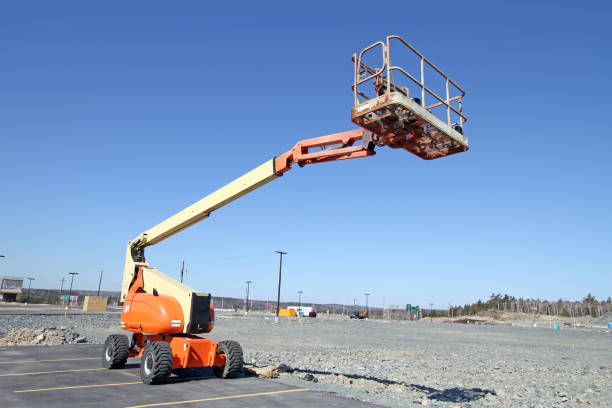
A telescopic boom lift uses a straight arm that slides outward to reach high or distant areas. Unlike an articulated model, it does not bend in sections. Instead, it stretches forward in a clear line.
This design suits tasks that need long horizontal reach. For example, construction crews use it to access steel frames. Maintenance teams use it to repair roofs or lighting. Because it offers strong outreach, it handles open spaces with ease.
Why This Equipment Stands Out
A straight boom design brings many benefits. It offers height, distance and steady control.
Key advantages include:
- Direct horizontal outreach
- High load capacity
- Simple controls
- Fast positioning
- Strong build for tough sites
Therefore, many industries rely on this machine for outdoor work. It handles rough ground and large structures with strength and balance.
Understand Your Project Needs
Before you buy, define your project goals. Each job site brings its own demands. Height, terrain and space all matter.
Ask yourself:
- How high must workers reach?
- How far must the arm extend?
- Will the ground stay firm or uneven?
- How many workers will stand on the platform?
Clear answers help you choose the right telescopic boom lift for the task. When you match machine features with site demands, you improve safety and boost output.
Height and Reach Matter Most
Height stands as the first factor most buyers check. However, outreach holds equal weight. Some projects need more horizontal reach than vertical lift.
Measure the highest work point on your site. Then measure the furthest distance from the base position. Add a small margin for safety. This step ensures the machine will handle the job without strain. When you choose the right telescopic boom lift, you avoid future limits and delays.
Platform Capacity and Size
Each model supports a set weight limit. This limit includes workers, tools and materials. If you exceed it, the lift will not operate.
Check how many workers will use the platform. Consider the tools they carry. Larger platforms give more room to move. However, they may add weight and reduce height capacity. Balance space and load. That way, your team works with comfort and security.
Terrain and Ground Conditions
Job sites rarely stay flat and smooth. Mud, gravel and slopes can shift a machine’s balance. Some models include rough-terrain tyres and four-wheel drive. These features grip uneven ground. They help the lift stay stable while it moves or extends.
Consider the surface of your work site. If the ground changes often, pick a model built for tough terrain.
Power Source Options
Manufacturers offer different power systems. You can select diesel, electric, or hybrid models.
Compare the options:
- Diesel models: strong power for outdoor sites
- Electric models: low noise and no emissions
- Hybrid models: flexible use indoors and outdoors
Choose the power type that fits your work space. For indoor work, electric systems suit better. For open sites, diesel units handle heavy tasks.
Safety Features to Look For
Safety stands at the heart of height work. Modern lifts include smart safety systems that protect both workers and equipment.
Important safety features include:
- Tilt sensors
- Emergency lowering controls
- Guard rails around the platform
- Load monitoring systems
- Automatic shut-off systems
These features prevent misuse and reduce risk. They guide operators and stop unsafe actions. When you inspect equipment, check these systems first.
Ease of Operation
Clear controls make work smooth. Operators should learn the system with ease.
Look for models with:
- Simple joystick controls
- Clear display panels
- Smooth arm movement
- Quick response steering
Training still remains vital. However, user-friendly controls reduce errors and build confidence. This helps your team complete tasks with speed and focus.
Maintenance and Inspection
A strong machine still needs care. Regular checks extend life and guard safety.
Inspect:
- Hydraulic hoses
- Tyres and wheels
- Electrical wiring
- Platform rails
- Control systems
Follow the service schedule set by the manufacturer. Keep records of each inspection. This habit helps prevent sudden breakdowns and costly repairs.
Buying vs Hiring
Some projects last for months. Others last for days. Your timeline shapes your decision. If you need equipment for a short period, boom lift rental may suit you better. It reduces storage and service concerns. On the other hand, long-term projects may justify ownership.
Compare your project length and budget. Think about storage space and maintenance staff. A wise decision will protect both time and funds.
Cost Planning and Budget Control
Although you should not focus only on price, budget plays a role in any purchase. Consider not only the buying cost but also fuel, service, training and insurance.
Create a full cost plan before you commit. When you account for every detail, you avoid hidden expenses later. For short-term needs, boom lift rental offers flexibility. It allows you to scale up or down without long-term duty.
Regulations and Certification
Work at height follows strict rules in the UK. Operators must hold proper training and certification. Check that the machine meets local safety standards. Keep documents ready for inspection. Strong compliance protects your team and avoids legal trouble.
Storage and Transport
Large equipment needs space. Plan how you will store the lift when not in use.
Measure your storage area. Check door heights and floor strength. Plan transport routes between sites. Some models fold into compact sizes, which makes movement easier. Good planning reduces delays and protects your asset.
Future-Proof Your Investment
Think beyond today’s project. Will you need higher reach next year? Will your company expand into new sectors?
When you choose the right telescopic boom lift, you invest in growth. Select a model with features that support future tasks. This step ensures long-term value.
Final Thoughts
A telescopic boom lift delivers strong reach and stable access. Yet, wise buyers study height, terrain, safety and power systems before they act. They plan for maintenance and training. They weigh ownership against boom lift rental when project timelines shift.
Careful planning leads to safe and smooth operations. When you choose the right telescopic boom lift, you build both safety and efficiency into your work from day one.
FAQs
1. What makes a telescopic boom lift different from other lifts?
It uses a straight arm that extends outward in one line. This design offers strong horizontal reach and suits open job sites.
2. How do I know which height I need?
Measure the highest work point and the farthest reach from the base. Add a safety margin to avoid limits during work.
3. Is hiring better than buying?
Short projects often benefit from boom lift rental. Long projects may justify ownership if you use the machine often.
4. What safety checks should I perform before use?
Inspect tyres, hydraulic systems, guard rails and control panels. Confirm that safety sensors and emergency controls work well before each shift.