


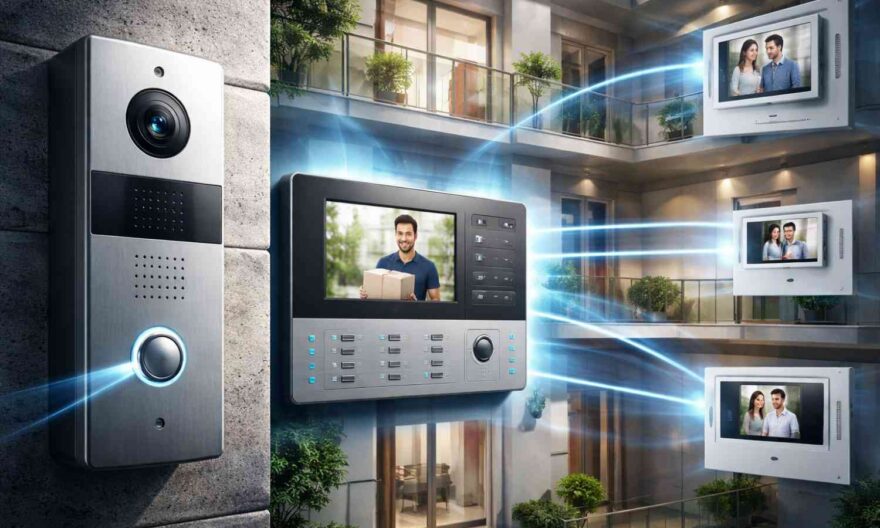
Modern buildings demand clear and simple ways to manage entry and communication. A door-based communication unit offers a direct link between visitors and people inside. This connection reduces confusion and improves safety across shared spaces. An intercom system supports this link by allowing smooth voice flow between doors, floors, and rooms. As buildings grow in size and use, this setup brings order and control. It helps residents, staff, and managers respond with speed and confidence while keeping daily movement calm and organised.
Understanding System Integration
Integration means each part works together as one group, rather than as separate tools. The door unit, indoor panels, and control hub share signals and power, which keeps communication smooth. When one part sends a call, the others respond in sequence, and as a result, the system stays clear and strong.
- Even though all units share one signal path.
- Also, power flows through planned lines.
- Each calls reach the right space.
How Integration Works
An intercom doorbell unit sends voice and call signals to indoor panels, which sit across the building to cover many areas. Wires or network lines carry the signal, and therefore each call reaches the right space without delay.
- Even a visitor presses the door unit.
- While the signal moves to indoor stations.
- Even a user answers and grants access.
For each part speaks the same signal language, the system works as one unit rather than separate pieces.
Role of the Entrance Unit
The entrance unit acts as the first point of contact, since it gathers sound and sends it inside. It also receives commands from indoor panels, and through this two-way flow, entry stays under control.
Sound and Call Handling
The unit captures clear sound and sends it indoors, while voices from inside return to the door at the same time. This exchange builds trust and clarity between visitors and users.
- Keep a clear voice transfer.
- Even strong call alerts
- Each steady response flow
Access Request Control
When a visitor asks for entry, the unit sends a request to indoor panels, where the user reviews the call and selects a response. This step protects the building by keeping decisions in human hands.
Indoor Panels and Their Function
Indoor panels are spread across rooms and floors, and each panel links back to the main hub. Because of this setup, users answer calls from many points without moving far.
Placement Across the Building
Panels sit near doors, desks, or shared areas, which ensures calls reach users quickly. With smart placement, fewer calls go unanswered.
- Also, panels near the key spaces
- Even easy reach for users
- Also, clear sound output
User interaction
Users press a button to answer, then speak and listen through the panel. This direct action keeps control simple while reducing delay.
Key Features that Support Connection
Strong features allow smooth linking between parts, while also keeping signals clean and power steady. These features reduce errors and support long-term use.
Compatible Wiring and Signals
Most modern units share common wiring rules, which allows installers to link parts with ease. Power, sound, and control lines stay stable, so communication remains clear.
- Even shared cables reduce clutter.
- While clear signals prevent dropouts.
- Also, simple layouts speed setup
Central Control Points
A main hub routes calls to many rooms, which gives order to the signal flow. When a call arrives, the hub directs it fast and without confusion.
- Even one hub serves many spaces.
- Keep users managing calls from panels.
- While access control stays firm.
Types of Buildings that Benefit
Many buildings gain value from integration, although each type uses the system in its own way. The goal remains the same across all settings.
Residential buildings
Flats and housing blocks use the system to screen visitors, so residents speak before opening doors.
- Keep safer entry points.
- Even fewer unwanted visits
- Also, calm shared spaces.
Offices and Workplaces
Staff control entry without leaving desks, which saves time and keeps work steady.
- Each controlled guest access
- Even a clear staff response
- Also reduced entry confusion
Schools and Shared Spaces
Schools rely on the system to protect students, especially during busy hours when doors see heavy use.
- Each strong visitor checks
- Keep a fast staff response.
- Each clear communication
Benefits of Linking Systems
A linked intercom doorbell lifts safety and comfort, while people answer calls without moving from their place. Staff screen visitors with care, and as a result, buildings gain a calm flow.
- While fewer missed calls
- Even strong control over entry
- Keep clear talk across floors.
Security Advantages
Security improves when all parts link, since each call follows a clear path and each response follows set rules.
Controlled Access Flow
Only approved users grant access, which lowers risk and supports safe choices.
- Even verified entry requests
- Also, clear decision points
- Even reduced entry errors
Better Awareness
Users know who stands at the door before opening it, which supports careful action.
Installation Planning
Good planning ensures success, since builders review layout, wiring, and power needs early.
Wiring Checks
Old wiring may need to be changed, because new lines support clear signals and stable power.
- Each cable quality review
- Also, signal path planning
- Even power load checks
Space for Panels
Walls and desks need space for panels, so planners mark locations before work begins.
- Even clear panel locations
- Also, easy user reach
- Even clean wall finish.
Common Limits to Note
Old wiring may block a smooth link, and in some cases, walls need to be changed. Many upgrades solve this through careful planning.
- Even old cables need to be swapped.
- Also, panel space may run short.
- Each power supply needs to be checked.
Expansion and Future Growth
Many systems allow growth, since new units join the network when needed.
Adding more Panels
Extra panels link to the hub, which keeps coverage wide as buildings grow.
- Simple panel addition
- Shared signal rules
- Steady system balance
Supporting New Features
Some systems support video and alerts, which add value without changing the core setup.
Final Thoughts
Linking door units with indoor panels creates a clear path for communication and access control. This approach supports safety, ease, and daily comfort for many building types. An intercom system ties these parts together so users can manage entry without delay or stress. With proper planning and steady upkeep, the setup continues to perform well over time. It allows people to speak, decide, and act with clarity. In the end, this connection strengthens trust and keeps buildings running smoothly.
Frequently Asked Questions
Q 1: Can older buildings support this type of setup?
Many older buildings can support this setup after basic checks. Electric lines, wall space, and power load often need review. Small updates usually allow smooth use without major structural change.
Q 2: Does the system work during power cuts?
Some setups include backup power options. These keep basic communication active for a short time. Planning for power support helps maintain safety during outages.
Q 3: Can multiple users answer the same call?
Yes, calls can reach more than one indoor unit. This feature ensures someone responds even if one person is unavailable, which helps avoid missed visitors.
Q 4: How much training do users need?
Users need little training. Clear buttons and simple steps make daily use easy. Short guidance sessions usually help users feel confident quickly.