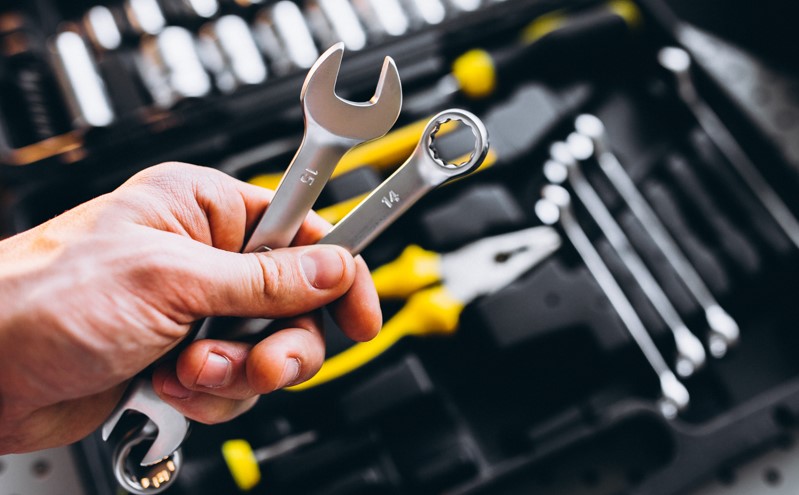
Finding a good hand tool supplier in Singapore can feel like looking for a specific coin in a big bag. You need tools that hold tight, fit well, and last through daily jobs. Whether you fix machines, build cabinets, or repair boat gear, your work rests on these small helpers.
But with many sellers around, how do you pick the right one? This guide breaks the process into easy steps. It also explains why a marine cable supplier matters for some tasks. Let us walk through the key points without any hard words.
Why Your Choice of Supplier Shapes Your Work
A bad supplier sends broken pliers, loose hammers, or wrong spanners. That wastes your time and money. A good hand tool supplier gives strong, true tools that last for years. Plus, you get advice on what fits your job. For example, a worker near the sea might need rust-proof tools. Likewise, a person wiring a boat looks for a marine cable supplier who sells bendy, salt-safe cables. When both suppliers work well, your job runs smoothly. So, start with a clear aim: find a seller who cares about quality as much as you do.
6 Easy Steps to Check a Hand Tool Supplier
These steps skip hard terms. They use everyday ideas that anyone from a school kid to a shop owner can grasp.
1. Look at Product Range
A small shelf means few picks. A big range gives you choices for different jobs.
Look for usual items like the following:
- Wrenches and screwdrivers
- Pliers and cutters
- Tape measures and levels
If you also fix boat parts, make sure the same shop ties you to a marine cable supplier. This saves you from running to two places. A single good link cuts your hassle.
2. Check Material Strength
Soft metal bends under pressure. Hard metal stays straight. Ask what stuff the supplier uses. Chrome-vanadium steel or stainless steel fights wear. For work near the sea, rust becomes a big problem. A supplier who keeps anti-rust tools earns your trust. Likewise, a marine cable supplier must provide cables that withstand humidity and salt spray. Do not take unclear answers. Ask for clear facts.
3. Look for Steady Sizes
A tool that does not fit the bolt will harm it. Good suppliers hold tight size rules. Each spanner, socket, or hex key matches world norms. This matters more for boat jobs. A cable from a marine cable supplier needs to have the exact thickness and cover. Any mismatch brings safety risks. So, test a few tools before buying many. Feel their grip and heft.
4. Check Delivery Speed
Late tools stop your work. A reliable supplier ships orders in days, not weeks. In Singapore, roads are fast, so there is no excuse for long waits. Ask how often they refill their stock. Do they keep popular items ready? For cables, a marine cable supplier should stock common lengths and widths. If they often run out, you might want to consider finding another seller.
5. Read Buyer Feedback
Other buyers leave real clues. Search for notes about breakage, wrong shipments, or returns. Ignore one angry review. But many similar complaints signal a flaw. A strong hand tools supplier earns praise for hard products and clear talks. For cables, look for feedback on bend and heat hold. True stories tell more than shiny ads.
6. Check Return Rules
Even careful picks sometimes fail. A fair supplier allows returns within a fair time. They do not hide behind tricky rules. Ask: “Can I swap a tool that bends on first use?” A sure seller says yes. The same applies to a marine cable supplier. Cables with cracked covers need a swap. Read the rule before you pay.
How a Marine Cable Supplier Fits the Picture
You might wonder why a tool guide talks about cables. Here is the link. Many shops handle both fixes and wiring work. For instance, a boat repair yard uses hand tools to take off old panels. Then they need a marine cable supplier to put in new wires. If your supplier knows a trusted cable seller, your work stays smooth. Some big suppliers even keep both types. This link saves phone calls and travel.
Common Slips When Picking a Supplier
Stay away from these slips to keep your project on track.
- Chasing the lowest price – Low cost often means low strength. A tool that snaps hurts you.
- Forgetting warranty terms – Some sellers offer no cover for normal wear. That leaves you bare.
- Ignoring special weather needs – Indoor tools fail outdoors. Singapore’s damp air needs rust-proof gear.
- Skipping sample checks – Buying in bulk without testing a single piece invites trouble. Always test one unit first.
Why Singapore Gives a Special Edge
Singapore’s spot as a trade hub brings many sellers to one small island. Rivalry keeps quality high. Also, the wet weather pushes sellers to stock anti-rust and anti-mould goods. A hand tools supplier here often knows the sea’s needs better than those in dry lands. Plus, shipping firms move goods fast. You get orders in one or two days. This speed helps when a tool breaks mid-job.
Building a Long-Term Relationship with a Supplier
One good purchase does not create a bond. You want a supplier who recalls your name and your work. Share feedback after each order. Tell them which tools served you well and which did not. A quick seller improves their stock based on your input. For cables, a marine cable supplier in Singapore who tracks your past orders can suggest upgrades. This saves you search time. Over months, you build trust. Then urgent asks get quick care.
Quick List Before You Order
Use this list as your last filter.
- Does the supplier give a receipt with clear item codes?
- Can they drop off goods at your work spot or home?
- Do they share material facts?
- Is there a phone number that a real person picks up?
- Have they worked with boat shops before?
If you say yes to four or more, go ahead with ease.
Final Thoughts
Picking a hand tool supplier in Singapore boils down to three things: truth about material, exact size, and on-time drop. Do not rush the choice. Test samples, read feedback, and ask clear questions about returns. For jobs that mix metal and wire, also find a marine cable supplier who shares the same values. When both sellers meet your needs, your toolbox stays full and your jobs finish well. Keep in mind, a tool in hand saves a hundred trips back and forth. Pick well, and your work will thank you every single day.
Frequently Asked Questions (FAQs)
Q1. How do I know if a hand tool supplier gives real goods?
Ask for material papers or test reports. A trusted seller shows these without delay. Also, look at a sample tool for finish marks, weight feel, and edge sharpness. Fake tools often feel light or show rough cast lines. If the seller hesitates to share papers, walk away.
Q2. Can a hand tools supplier also act as a marine cable supplier in singapore?
Some broad sellers keep both types. But check each one on its own. A hand tools supplier might keep basic cables, but a focused marine cable supplier in Singapore knows about salt water, sun damage, and fire safety rules. For key boat wires, always pick a specialist. For basic shop wires, a general seller may be fine.
Q3. What should I do if a tool breaks within a week of purchase?
Stop using it right then. Take a photo of the break. Call the supplier with your receipt and the photo. A fair seller gives a swap or refund. If they say no, check if your buy came with a written warranty. Some sellers hide warranty details on their site. Save a copy when you buy.
Q4. How often should I swap hand tools used near salt water?
Check your tools every three months. Look for tiny rust spots or pits. A high-quality tool lasts two to three years near the sea. A poor tool fails within six months. The same rule goes for cables from a marine cable supplier in singapore. Look for cracked cover or green rust. Swap at the first sign of harm to stay safe.