


Over 80% of global trade moves by sea. Ocean shipping serves as a vital element which enables supply chain operations to function properly. Businesses encounter two main problems, which result in shipment delays and rising expenses that disrupt their delivery timelines and reduce their customer contentment.
When goods get stuck at a port or customs clearance takes longer than expected, the impact can spread across the entire business. The organisation fails to meet its deadlines while costs increase and customers develop doubts about the company.
Strategic planning, together with suitable sea freight companies, will help organisations solve most of these problems. Businesses can minimise shipment risks through common freight logistics problems, which helps them maintain their cargo movement stability.
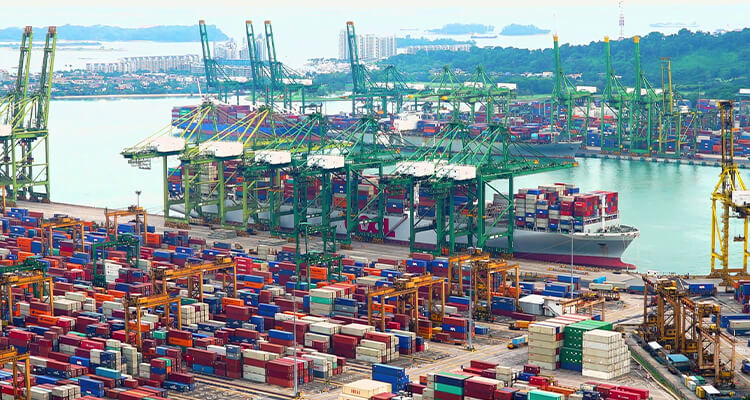
Why Sea Freight Logistics Remains Essential
Sea freight logistics provides the most economical solution for transporting extensive shipments of goods between multiple international markets.
Businesses choose sea freight because it offers:
- Lower transport costs for bulk cargo
- Access to global markets
- Better capacity for large shipments
- Reduced carbon emissions compared to air freight
The shipping process generates multiple challenges which affect various stages of the operation despite its numerous advantages.
The Most Common Sea Freight Logistics Challenges
Sea freight serves as a dependable method for transporting products between international markets through worldwide trade routes.
1. Unexpected Delays at Port
The ongoing port congestion stands as the primary hurdle which shipping companies must overcome for their sea freight operations. Vessels must spend extra time waiting for cargo operations to begin when terminals experience high levels of congestion.
- Shipping operations experience high traffic during the busiest times of the year
- Major ports face a shortage of available workers
- Limited terminal capacity
- Weather-related disruptions
Planning can help reduce the impact of unexpected port delays.
2. Poor Documentation and Customs Errors
Any minor error in documentation will result in shipment delays which last for several days. All cargo shipments require complete and accurate documentation, which customs authorities must approve for shipment movement.
- Incorrect HS codes
- Missing signatures or permits
- Invoice and packing list mismatches
- Incomplete customs declarations
Careful document checks help prevent costly customs delays.
3. Hidden Costs and Unclear Pricing
Businesses tend to concentrate their attention on the shipping price, which appears in the freight quotation. The shipping expenses become much higher because of extra fees which customers must pay.
- Terminal handling charges
- Fuel surcharges
- Port congestion fees
- Documentation and processing charges
Always request a full cost breakdown before confirming a shipment.
4. Cargo Damage and Improper Packing
Sea freight requires extended shipping durations because it faces ongoing environmental transformations. The cargo shipment will experience humidity exposure, vibration impacts, and rough treatment during its entire transportation process.
- Products receive insufficient packaging because of defective or inappropriate packaging solutions
- Incorrect container selection
- Poor cargo securing methods
- Exposure to moisture and temperature changes
Using the right packaging solution helps protect goods during transit.
5. Lack of Shipment Visibility
Many businesses struggle when they cannot track their cargo accurately. Limited visibility makes it harder to plan inventory and manage customer expectations. It can also delay responses when problems occur.
- Shipment updates arrive with delays
- The system does not provide enough tracking information
- Providers fail to deliver satisfactory communication
- Lack of real-time cargo information
Modern tracking tools improve transparency across the supply chain.
6. Choosing the Wrong Freight Partner
The quality of your logistics partner affects every stage of the shipping process. An inexperienced provider can create delays, communication issues, and added costs. Selecting the right partner is critical for long-term success.
- The team possesses only a basic understanding of their sector.
- The customer support system performs at a low standard.
- The pricing system lacks clear and understandable information.
- Weak carrier and port networks
A reliable logistics company in Singapore can help avoid many common shipping challenges.
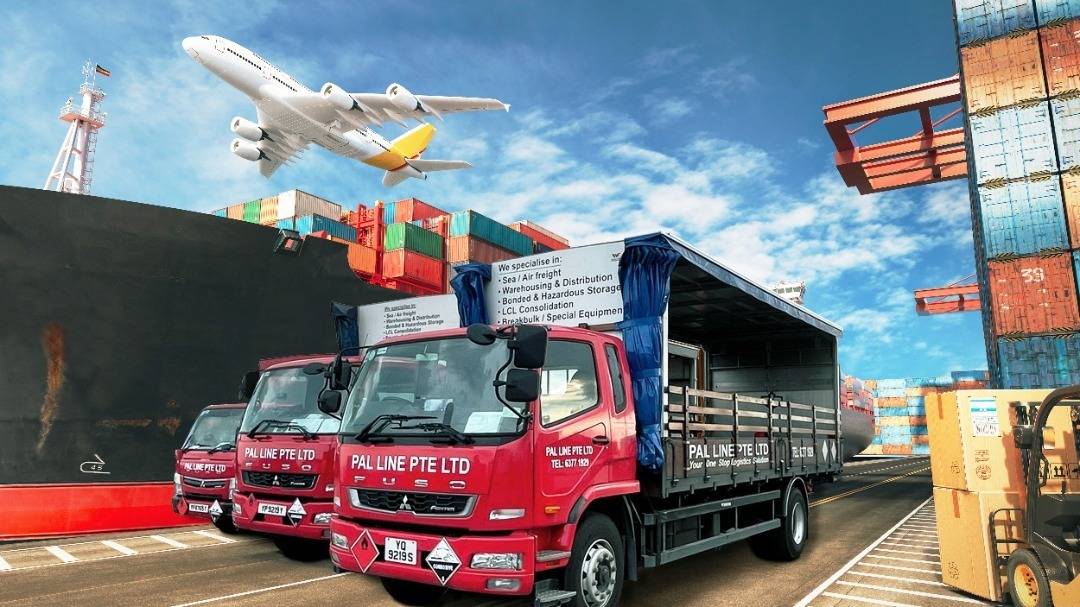
How to Build a More Resilient Sea Freight Strategy
Sea freight logistics success requires organisations to achieve more than obtaining the most affordable shipping costs. Organisations require a flexible strategic approach which enables them to handle market changes and unanticipated business disruptions.
The combination of demand prediction with early capacity booking and precise document management systems helps organizations avoid typical business obstacles which appear before they actually emerge.
Businesses can enhance their operational efficiency through suitable process implementation and partner selection, which also decreases business risks and provides better management of international activities.
Practical Tips to Improve Your Sea Freight Process
Sea freight management requires more than just preventing operational issues. The system needs to develop an intelligent operational framework.
- Plan: Your freight company will obtain more options when you provide extended lead times, which result in better rates, enhanced vessel selection and improved routing options.
- Consolidate when possible: If you don’t have a full container load, LCL (less than container load) shipping lets you share space with other shippers. It reduces cost without sacrificing reliability.
- Review your incoterms: Organisations can prevent disputes and confusion by understanding the responsibilities of each party during every stage of the shipment process.
- Insure your cargo: Many businesses skip marine cargo insurance to save money. But one incident at sea can wipe out months of profit. It’s not a cost worth cutting.
What to Look for in a Reliable Sea Freight Company
Selecting the perfect partner creates a major impact on the outcome. Here’s a quick checklist when shortlisting sea freight companies:
- Do they have a strong network across your key trade lanes?
- Are they registered and compliant with local and international regulations?
- Do they offer end-to-end visibility and tracking?
- Are they transparent with pricing from the start?
- Do they have experience with your cargo type?
A trusted logistics company in Singapore will tick all these boxes — and be easy to reach when you need them
Conclusion
International trade depends on sea freight companies because it remains the most reliable approach for transferring goods across global markets. The supply chain encounters several challenges, which consist of port congestion, customs delays, rising freight costs, restricted container supply and poor tracking systems.
Organisations can enhance their shipping operations by using advanced planning techniques and purchasing visibility solutions, and by forming strategic alliances with dependable logistics companies operating in Singapore. Organisations need to understand current supply chain challenges because this knowledge will enable them to develop stronger adaptive supply networks, which will operate successfully in future business environments.
FAQs
What are the most common causes of sea freight delays?
The main factors which cause shipping delays include port congestion and insufficient document submissions and customs agency review processes. Booking early and working with an experienced freight forwarder can reduce these risks significantly.
How do I avoid hidden charges in sea freight?
Always ask for an all-in quote that includes terminal handling charges, fuel surcharges, and documentation fees. A reliable sea freight company will break down costs clearly before you commit.
Is LCL or FCL better for my shipment?
You must determine your cargo volume to select the appropriate option. LCL (less than container load) suits smaller shipments, while FCL (full container load) is more cost-effective when you have enough cargo to fill a container.
Why does cargo documentation matter so much in sea freight?
Customs authorities will delay shipments while charging fines and holding goods when the bill of lading, together with the commercial invoice and packing list, contains mistakes. The correct documentation process from the start will lead to reduced operational expenses and time savings.
How do I choose a good logistics company in Singapore?
You should select providers who have verified experience with your shipping lanes, who show their fees openly, and who maintain clear dialogue and receive positive feedback from their customers.