

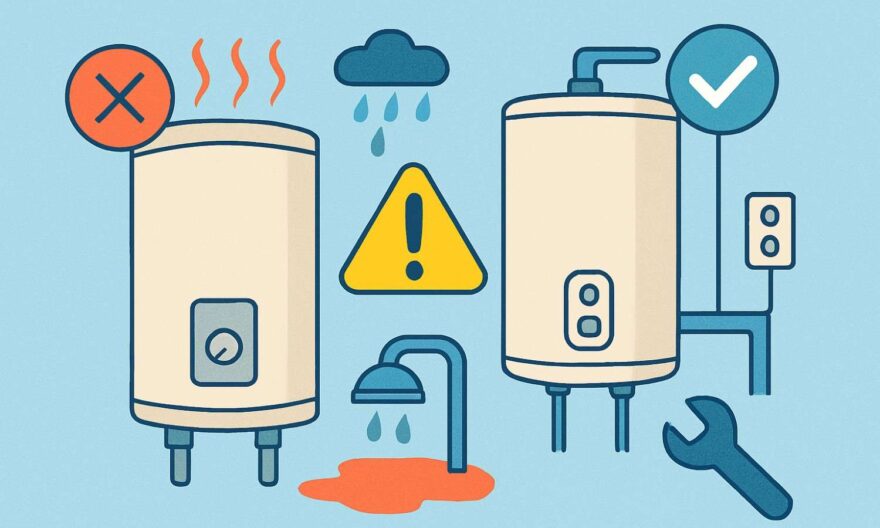
Hot water shapes your daily comfort, so any change in heat or flow can shake your routine at once. You spot small warning signs early, and these clues often guide you before bigger trouble starts. Water heater repair then steps in to stop leaks and protect your home. When you hear strange sounds or feel weak flow, you act fast and steady. Your quick steps guard your heater, keep your family safe, and give your home warm water each day without stress.
Clear Signs Your Water Heater Struggles
Your heater shows signs in sight, sound, smell, and heat. Meanwhile, your own senses guide you through each clue.
Strange Sounds That Signal Inner Strain
Metal shifts, grit shakes, and steam pushes through tight spots. Consequently, the tank grows loud and warns you to act.
- Deep rumbling from thick scale
- Sharp pops from tight pockets
- Crackling bursts from heated grit
Next, these noises often grow stronger as grit expands.
Weak or Harsh Water Flow
Mineral build-up blocks pipes and restricts movement. In turn, the water changes speed and heat without warning.
- Sudden cold shocks at the tap
- Rust marks in sinks and tubs.
- Cloudy water with a floating scale
Moreover, these shifts often spread across every tap in the house.
Leaks and Damp Spots
A small leak soon grows into a wide pool. Furthermore, water slips into hidden corners and harms walls, floors, and frames.
- Wet floors near the heater
- Dark rings on plaster
- A sharp metallic scent
Afterwards, the damage spreads fast. Heater repair stops these issues before they grow worse.
How Strong Heater Installation Stops Problems
A new water heater installation needs more than a good location. Instead, strong-fitting work builds a foundation for long service.
Correct Positioning Builds Safe Performance
Placement shapes airflow, heat control, and access. Earlier, many heaters failed because they sat in tight corners.
- Firm floor support
- Clear open space around pipes
- Easy reach for future checks
As a result, the system works with less strain.
Tight, Clean Connections Stop Early Leaks
Fresh joints hold firm when someone fits them with care. In contrast, loose lines create heat loss and water damage.
- Solid joints with no gaps
- Clean pipe runs with smooth bends.
- Balanced pressure through each valve
Further on, these choices reduce long-term risk.
Right Size for Your Home
A heater that serves fewer taps than required strains itself. Later on, the system slows and loses strength.
- Enough hot water for all taps
- Steady water pressure
- Even heat cycles with no drops
In time, proper installation saves money and extends the system’s life.
Warning Signs You Should Never Ignore
Although some signs look small, they often uncover inner trouble.
Heat That Arrives Too Slow
A heater that warms water too slowly usually struggles with grit or worn parts. Hence, the tank demands more effort.
Frequent Reset Button Trips
A reset trip shows the system fights overload. Earlier trips show the start of deeper faults.
Metallic Taste
A strange taste points to corrosion. Eventually, corrosion spreads through the lines.
Why Ignoring Early Hints Creates Larger Risks
Structural Damage
Leaks sink into floors and weaken beams. Besides, water harms wiring, cabinets, and skirting.
Higher Energy Use
A clogged heater works harder and burns more power. Consequently, your bills rise each month.
Shorter Heater Life
Strain cuts years off the system’s lifespan. In contrast, a well-installed heater stays strong for far longer.
How Strong Installation Reduces Future Repair Needs
Better Heat Efficiency
Good water heater installation installers choose the right pipe path and correct insulation. Therefore, heat travels smoothly.
Smooth Maintenance
A well-fitted heater allows easy checks. During this stage, you clean the grit and inspect joints without trouble.
Steady Pressure
Balanced lines protect taps and valves. Later on, this keeps the system stable.
Mistakes During Installation That Cause Long-Term Problems
Even small errors during fitting grow into constant trouble. For this reason, clear checks matter.
Wrong Pipe Materials
Some pipes corrode fast under heat. Although cheaper, they fail much sooner.
Loose Mounts
A heater that tilts creates cracks in joints. Eventually, the wobble spreads damage.
Poor Ventilation
Heat needs room to escape. In contrast, tight corners trap heat and strain the unit.
Simple Steps You Can Take to Strengthen Your Heater’s Life
Flush the Tank
Scale grows thick when left alone. Then grit collects and blocks heat.
Check the Valves
Valves control heat and water flow. Meanwhile, they need smooth movement.
Inspect for Moisture
Look for wet marks near the base each week. Later on, you spot leaks before they spread.
When You Should Replace Instead of Repair
Some heaters reach a point where repair no longer helps.
Old Age
Most systems serve well for many years. Eventually, they wear out.
Repeated Leaks
When leaks return often, the inner walls lose strength. As a result, repair costs rise.
Rising Energy Use
A heater that burns more power wastes money. In turn, this shows deeper faults.
How Correct Sizing Prevents Future Heat Loss
A system that suits your home size runs with comfort and ease.
Smaller Homes
Compact units suit flats and small houses. Therefore, heat reaches taps quickly.
Medium Homes
Mid-sized heaters support busy kitchens and multiple bathrooms. Afterwards, the heat stays steady.
Large Homes
Bigger houses need stronger tanks and larger flow paths. In contrast, smaller units strain under demand.
Why Proper Installation Protects Your Warranty
Clean Paper Trail
Installers record details that help future checks. Earlier mistakes stay clear.
Safe Operation
A well-fitted heater stays within safe limits. Furthermore, this prevents warranty disputes.
Long-Term Benefits You Gain from Strong Installation Work
Solid installation brings comfort, safety, and savings.
Peace of Mind
You use hot water without stress. Meanwhile, the heater runs steadily.
Lower Bills
A smooth system uses less power. Consequently, your energy costs fall.
Longer Life Span
The unit serves your home for many years. Later on, you save on replacements.
Final Thoughts
Your water heater works hard each day, so your careful watch helps you catch problems before they grow. You notice odd smells, heat drops, or wet marks, and these signs steer you to the right fix. Water heater repair helps you stop harm and save money. When you choose strong-fitting work and regular checks, your heater runs smoothly and quietly. You gain steady hot water, lower bills, and a system that stays strong for many years.
Frequently Asked Questions
Q1. What signs show that my water heater struggles?
You notice sounds, weak flow, strange smells, or warm water that fades too fast. These hints tell you the heater needs quick attention before the problem grows and harms other parts of your home.
Q 2. How often should I check my water heater?
Check it once each month. Look for leaks, rust marks, odd noises, or moisture. Regular checks help you catch small issues early and keep the system running strong for a long time.
Q 3. Why does my water turn cloudy or rusty?
Mineral build-up, grit, or internal corrosion often causes colour changes. When this happens, the heater struggles to keep the water clean and warm. Quick action protects your pipes and helps restore clear water.
Q 4. When should I think about replacing my heater?
Think about a new heater when leaks return, energy bills rise, heat drops often, or the unit grows too old. A tired system loses strength and can no longer support your home’s daily needs.