


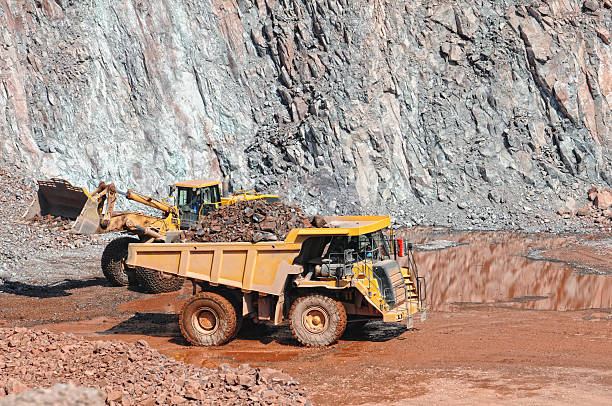
Construction sites push machines to their limits every day. They haul, climb, and grind through tough work without rest. A wheel dumper tackles some of the hardest loads, rumbling across uneven ground with steady force. Without daily care, even the strongest dumper can slow, strain, or break when you rely on it most. Quick checks, deep cleaning, and fresh oil keep it strong and ready. Build these habits to guard your machine, cut repair bills, and make sure it works hard every single shift.
Why Daily Maintenance Matters
Daily care stops small problems from turning into big repairs. A well-looked-after dumper moves better, saves fuel, and keeps workers safe.
Daily care:
- Slashes repair costs
- Keeps jobs running on time
- Adds years to the machine’s life
Start with a Thorough Visual Check
Before you fire up the engine, walk around the dumper and study it closely as part of your wheel dumper maintenance guide Singapore plan.
What to Look for Each Morning
- Scan tyres for cuts, bulges, or stuck stones
- Hunt for leaks or cracks in hydraulic hoses
- Check the skip for loose bolts, dents, or weak welds
Spot trouble early and fix it before it grows.
Keep the Engine Clean and Healthy
The engine powers every load. Dust and dirt clog it and make it overheat.
Daily Engine Care Steps
- Brush off mud and grime from the housing
- Clear out air filters so air moves freely.
- Top up oil so it sits within the safe mark
Monitor Fluids and Filters Closely
Fluids keep parts from grinding against each other and breaking.
- Check the coolant to stop the engine from overheating.
- Look at the hydraulic fluid for colour and thickness.
- Swap fuel filters when the schedule says so
Watch the Brakes and Steering
Brakes and steering keep you in charge of the machine.
Signs of Wear
- Brakes feel soft or slow to grip
- Steering drags or fights back.
- Strange grinding sounds when you turn.
Fix these at once to avoid danger and big repair bills.
Lubricate Moving Parts Daily
Moving parts scrape and wear down without oil. Lubrication helps them glide smoothly.
- Smear grease over joints and pivots
- Coat exposed metal with oil to block rust
- Use the right lubricant for your weather and work site
Keep It Clean After Each Shift
Cleaning stops rust and saves you from costly replacements, making it a vital step in any wheel dumper maintenance guide Singapore workers can follow.
End-of-Day Cleaning Checklist
- Knock mud and stones off tyres.
- Wash away salt, chemicals, or cement dust.
- Dry it and park it under cover
Inspect Electrical Systems
Faulty electrics cause delays and can hurt safety.
- Test all lights and warning signs before driving.
- Check wires for frays or loose ends.
- Replace broken fuses right away.
Protect the Machine in Extreme Weather
Singapore’s heat and rain wear down machines faster.
Hot Weather Steps
- Park in the shade to keep the heat down
- Watch the coolant and fans more often.
- Check for overheating after long work.
Wet Weather Steps
- Dry off electrical parts before starting.
- Avoid deep puddles that soak the axles.
- Add fresh grease after heavy rain.
Record Daily Checks in a Logbook
Writing down what you check helps you spot problems sooner.
A log should list:
- Date and time of check
- What you inspected
- Repairs made or parts replaced
Train Operators on Maintenance Basics
When operators know what to check, machines last longer.
- Teach tyre, brake, and hose inspections.
- Show the right way to clean and oil parts.
- Explain sounds or signs that warn of trouble
Benefits of Rental Services
For dumper rental work, strong upkeep builds trust with customers and keeps machines out on hire longer.
A clean and reliable dumper:
- Works between rentals without trouble
- Avoids last-minute repairs
- Sells for more when you upgrade
Mistakes to Avoid
Even skilled teams can make costly mistakes.
Skipping Checks
Small cracks in hoses or tyres can cause sudden breakdowns.
Using the Wrong Lubricants
Wrong oil or grease can ruin seals and bearings.
Ignoring Odd Noises
Rattles, squeals, or grinding mean something’s wrong.
Scheduling Professional Servicing
Daily checks keep things smooth, but pros still need to service the dumper rental.
- Book inspections before busy seasons
- Change worn parts before they snap.
- Test safety and emission systems often
Check Tyre Health and Pressure
Tyres carry the full weight of the load and grip the ground through rough paths. Worn or soft tyres can slow the job, cause slips, or lead to expensive fixes.
Daily Steps for Tyre Care
- Scan the rubber for deep cuts, cracks, or bulges.
- Pry out sharp stones or bits of metal stuck in the tread.
- Swap tyre positions if the wear looks uneven.
Secure the Operator’s Cabin
A safe, neat cabin lets the operator work with focus and strength. A messy or unsafe cabin can cause accidents and slow the job.
Safety and Comfort Checks
- Tug seat belts to test their strength and latch
- Wipe windows and mirrors for clear sight.
- Clear the cabin floor of tools or junk that could trip feet.
Guard the Hydraulic System
The hydraulic system lifts, tilts, and shifts heavy loads with strong force. If grime or leaks sneak in, the dumper can lose power and stall during the job.
Daily Hydraulic Care
- Inspect hoses for splits, damp patches, or shaky joints.
- Scrub away dirt and grease around fittings.
- Fill the hydraulic fluid up to the safe line.
Final Thought
Daily care shields both machines and budgets from harm. Skip a check and you invite breakdowns, grind work to a halt, and waste hours on site. A wheel dumper that gets firm, steady care each day pulls stronger, endures longer, and protects the crew. “Blending daily habits into work to avoid costly fixes and extend machine life.”Treat upkeep as a small daily ritual that rewards you with smoother runs, safer shifts, and years of faithful service.
Frequently Asked Questions
- How often should I check the machine’s fluids?
Check fluids every morning before you start work to keep parts running smoothly and stop the engine from heating up or breaking down.
- What tools do I need for basic daily maintenance?
Carry a grease gun, clean rags, a tyre pressure gauge, and the right lubricants the maker suggests for your machine.
- Why is cleaning the machine after each shift important?
Scrub away dirt, grime, and harsh chemicals that can eat into parts, so the machine stays strong and ready for the next job.
- What signs show that parts need immediate attention?
Watch for leaks, cracks, strange noises, loss of strength, or stiff steering—these warn you to fix the problem before it grows bigger.