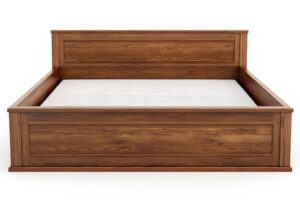



The term “mattress firmness” describes how a mattress feels when you lie on it. The majority of mattresses are graded from 1 (very soft) to 10 (very hard). Your body weight, sleeping posture, and whether or not you share a bed all affect how firm the bed should be. While back and stomach sleepers want firmer support, side sleepers usually require softer surfaces.
Choosing the wrong firmness is one of the most common — and most avoidable — mattress mistakes. Whether you’re buying alone or with a partner, understanding firmness before you spend is the single best thing you can do for your sleep. A Dunlopillo mattress comes in multiple firmness options, meaning the right one genuinely exists for you — you just need to know what to look for.
What Does Mattress Firmness Actually Mean?
The term “firmness” refers to a mattress’s surface sensation as soon as your body comes into touch with it. It is not the same as assistance. Excellent spinal alignment can be achieved underneath a mattress that seems soft on top. Most consumers make the mistake of confusing stiffness with support.
Consider it this way: support is what your spine requires, and firmness is what you experience. The ideal mattress provides both an internal structure that maintains your spine in a neutral position throughout the nite and a surface that meets your comfort preferences.
The Dunlopillo Firmness Scale: What Each Level Feels Like
Dunlopillo mattresses are built using natural latex and premium foam technologies, and their range covers the full spectrum of firmness. Here’s what each level actually delivers:
Soft Mattress
Your body can gradually sink into the surface of a soft mattress. It relieves pressure on the shoulders and hips by precisely fitting your curves. Because of this, it’s especially ideal for people who sleep on their sides, are lighter in weight, or prefer to sleep curled up.
The trade-off is that larger sleepers or those who shift positions frequently during the nite may feel less stable on soft surfaces. Firmness could be the cause if you wake up on a soft mattress with lower back pain.
Medium Firm Mattress
This is the most versatile option in the Dunlopillo range — and the most popular globally. A medium firm mattress balances gentle contouring with reliable spinal support. It works well for combination sleepers, average-weight individuals, and most couples where preferences differ slightly.
Research consistently points to medium firm as the sweet spot. A study published in The Lancet found that medium-firm mattresses significantly reduced chronic low back pain compared to firm surfaces. If you’re genuinely unsure where to start, medium firm is a well-supported choice.
Firm Mattress
A flat, sturdy sleeping surface with little give is offered by a firm mattress. Back sleepers and stomach sleepers who require their spine to remain straight benefit from it since it maintains the body high rather than letting it to drop.
Because softer mattresses might compress too deeply under more body weight, producing an unsupported hammock effect, heavier sleepers also typically sleep better on harder surfaces. A firm mattress keeps even contact throughout the body and resists such compression.
Mattress Firmness by Sleeping Position
Your sleeping position is arguably the most reliable indicator of which firmness you need. Here’s a straightforward breakdown:
| Sleeping Position | Recommended Firmness | Why It Works |
|---|---|---|
| Side Sleeper | Soft to Medium | Cushions hips and shoulders, reduces pressure points |
| Back Sleeper | Medium Firm to Firm | Supports lumbar curve without excessive sinking |
| Stomach Sleeper | Firm | Prevents hips from sinking, keeps spine neutral |
| Combination Sleeper | Medium Firm | Adapts to multiple positions throughout the night |
How Body Weight Affects Firmness Choice
Body weight changes how any mattress actually feels in practice. A medium firm mattress will feel much softer to someone who weighs 100 kg than to someone who weighs 60 kg — because the heavier sleeper compresses the materials more deeply.
- Under 65 kg: You may find firm mattresses feel too hard. A soft or medium option typically works better.
- 65–90 kg: The standard range where most firmness labels apply as described. Medium firm is usually ideal.
- Over 90 kg: Firmer surfaces provide better support and durability. Softer options tend to compress too much and lose their shape faster.
Choosing Firmness as a Couple
Sharing a bed complicates the decision — but it doesn’t have to be a compromise. A few approaches make it more manageable.
Go With the Lighter Sleeper’s Preference
Heavier sleepers can usually tolerate a slightly softer surface more easily than lighter sleepers can tolerate one that is too firm. When in doubt, prioritise the comfort of the person who weighs less.
Consider a Split Firmness Option
Some Dunlopillo models allow each side of the mattress to be configured at a different firmness level. This is the cleanest solution when partners have genuinely different needs — say, one back sleeper and one side sleeper who are far apart in body weight.
Medium Firm as a Starting Point
For couples who are close in weight and sleep position, a medium firm mattress is almost always a safe and comfortable starting point. It avoids the extremes and supports a range of body types without sacrificing either person’s comfort.
Dunlopillo Mattress Firmness and Material
Understanding the material helps you understand why the firmness behaves the way it does. Dunlopillo uses natural Talalay latex and high-resilience foams, both of which have distinct characteristics compared to standard polyfoam or innerspring constructions.
Natural latex is responsive — it pushes back gently as you move, rather than letting you sink in slowly. This means a “soft” Dunlopillo mattress still has a degree of buoyancy that a memory foam soft mattress would not. It’s worth accounting for that difference, especially if you’re switching from a foam-heavy mattress you’ve slept on before.
Signs You’ve Chosen the Wrong Firmness
Even after delivery, there are clear signals that something is off. Watch for these in the first few weeks:
- Waking with numbness or tingling in arms or hips — often a sign the surface is too firm for your sleeping position
- Lower back pain that wasn’t there before — can indicate too soft a surface for your body weight or position
- Feeling like you’re rolling toward the centre — a soft mattress compressing unevenly under heavier areas
- Difficulty changing positions during the night — too much sink, which is common on overly soft surfaces
Most reputable mattress brands, including Dunlopillo, offer a trial period. Use it actively — don’t assume discomfort in the first two weeks means a wrong choice, as your body takes time to adjust from an old mattress. But if discomfort persists past the 4-week mark, it’s worth reassessing the firmness level.
Getting firmness right before you buy is worth the research. Whether you’re a side sleeper after a soft surface, a back sleeper needing firm support, or a couple trying to find a workable middle ground, The Mattress Boutique offers a range of Dunlopillo mattress options to match different sleep profiles — without guesswork.