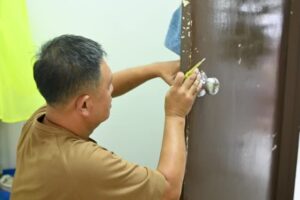


Fire rated door installation involves fitting a specially engineered door assembly including the frame, hardware, and seals that can withstand fire and smoke for a defined period, typically 30 to 120 minutes. Proper installation by a certified professional is mandatory in Singapore for compliance with fire safety codes, and skipping this step can void the door’s certification entirely.
Why Correct Installation Is Just as Important as the Door Itself
Many homeowners focus entirely on choosing the right fire door the rating, the material, the finish. What often gets overlooked is that even the best fire door becomes ineffective if installed incorrectly. A gap too wide, a hinge improperly seated, or a missing intumescent seal can cause the entire assembly to fail during a fire event.
In Singapore, the Singapore Civil Defence Force (SCDF) sets out requirements under the Fire Safety Act that govern how fire doors must be installed, inspected, and maintained in residential and commercial buildings. Non-compliance isn’t just a technical issue it can result in failed inspections, fines, or liability in the event of a fire.
Step-by-Step Guide to Fire Rated Door Installation
Step 1: Verify the Door’s Fire Rating and Certification
Before anything is touched on-site, confirm that the fire door you’ve purchased carries a valid certification typically from an accredited third-party testing body. In Singapore, look for doors that meet SS 332 (Singapore Standard for fire doors) or equivalent international certifications such as BS 476 or EN 1634.
Check that the fire rating matches what your building regulations require. Common ratings include:
- FD30 – 30-minute fire resistance
- FD60 – 60-minute fire resistance
- FD90 / FD120 – for higher-risk or commercial zones
Never assume a door is fire rated based on appearance alone. Always request the test certificate and product data sheet from your supplier.
Step 2: Check Permit Requirements Before Starting Work
In Singapore, fire door replacement or new installation in certain building types may require prior approval from the SCDF or your building’s managing agent. HDB flat owners, for example, must ensure that any door replacement on main entrance corridors complies with HDB’s renovation guidelines.
Key permits and approvals to check:
- SCDF approval for fire safety works in regulated buildings
- HDB renovation permit if applicable
- Strata management approval for condominium units
- BCA (Building and Construction Authority) requirements for new builds or major additions
Skipping this step is one of the most common – and costly – mistakes renovating homeowners make. Always clarify permit requirements before demolition begins.
Step 3: Prepare the Door Opening
The existing opening must be assessed before the new fire door frame is fitted. This includes:
- Removing the old door and frame completely
- Inspecting the structural integrity of the surrounding wall
- Ensuring the opening dimensions match the certified door assembly fire doors cannot be trimmed on-site without voiding the certification
- Checking for any moisture, structural cracks, or surface damage that could compromise the seal
A fire door must be installed as a complete, certified assembly. The door leaf, frame, hardware, and seals are all part of the tested system. Swapping out any component – even the hinges – with non-certified alternatives can invalidate the fire rating.
Step 4: Install the Frame Correctly
The door frame is the foundation of the entire fire door assembly. It must be fixed firmly to the structural wall with the correct fixings at specified intervals – typically every 600mm, or as per the manufacturer’s installation guide.
Critical checks at this stage:
- Frame is perfectly plumb and square – even a minor misalignment causes uneven gaps
- The rebate depth matches the certified door leaf thickness
- Intumescent frame seals (which expand under heat to block smoke and flame) are correctly fitted in the groove around the frame
Step 5: Hang the Door and Fit Certified Hardware
The door leaf is hung using a minimum of three fire-rated hinges, as specified in the certification. Self-closing devices are mandatory on all fire doors they ensure the door returns to the closed position after each use, which is essential for fire containment.
All hardware must be certified for use with fire doors:
- Hinges: Minimum three per door leaf, fire-rated grade
- Self-closer: EN 1154-compliant or equivalent
- Locks and latches: Must not prevent the door from closing fully
- Letter plates or glazing: Only certified fire-rated versions permitted
Step 6: Check Gap Tolerances
Gap tolerances on a fire door are not a preference they are a tested specification. The standard maximum gap between the door leaf and frame on the sides and top is 3mm. The gap at the bottom (to the floor) should not exceed 8mm unless a certified threshold seal is fitted.
Use a coin or feeler gauge to check gaps around the full perimeter once the door is hung. Any gap outside specification means the installation needs correction before it can be signed off.
Step 7: Final Inspection and Sign-Off
Once installation is complete, the installer should conduct a full functional check: the door must close fully from any open position without assistance, latch correctly, and show no warping or misalignment. In regulated buildings, a formal inspection by a Qualified Person (QP) or fire safety manager may be required before the installation is considered compliant.
Retain all documentation the fire door certificate, installation record, and inspection report as these may be requested during building audits or insurance claims.
Common Fire Door Installation Mistakes to Avoid
| Mistake | Why It Matters
|
|---|---|
| Trimming the door leaf on-site | Voids fire certification immediately |
| Using non-certified hardware | Invalidates the tested assembly |
| Removing or disabling the self-closer | Fire door fails its primary containment function |
| Skipping intumescent seals | Smoke passes through gaps before heat activates |
| Incorrect gap tolerances | Door will not pass inspection or real fire test |
| DIY installation without professional oversight | Risk of non-compliance and void insurance |
Should You Attempt DIY Fire Door Installation?
The short answer: no. Fire door installation is not a standard carpentry job. Unlike fitting a regular internal door, a fire door must meet exact performance specifications that are verified through third-party testing. A single error an oversized gap, a wrong hinge, a missing seal can mean the door provides zero protection in an actual fire.
Professional installation by a trained and experienced team ensures the door is fitted as a complete certified assembly, meets local building and fire safety regulations, and passes any required inspections. It also protects your home insurance policy many insurers require compliant fire door installation as a condition of coverage.
Maintaining Your Fire Door After Installation
Installation is not the end of your responsibility. Fire doors require periodic maintenance to remain effective:
- Check self-closers every six months they lose tension over time
- Inspect intumescent and smoke seals annually for wear or damage
- Ensure gaps remain within specification building movement can shift frames over time
- Never paint over intumescent seals, as this can inhibit their expansion
- Replace any damaged hardware with certified equivalents only
A well-maintained fire door can provide reliable protection for many years. A neglected one may fail when it matters most.
Choosing the Right Professional for Fire Door Replacement
When selecting an installer for your fire door replacement, look for a company that supplies certified fire doors, has documented installation experience, and can provide post-installation certification. Ask specifically whether the installer follows manufacturer installation guidelines and whether they handle permit applications on your behalf.
For homeowners in Singapore looking for a reliable, experienced provider, Btodoor offers professional fire rated door installation services along with a range of certified fire door products designed for both HDB and private residential properties. Their team understands local compliance requirements and guides homeowners through the process from selection to sign-off.
Frequently Asked Questions
Do I need a permit to replace a fire door in Singapore?
It depends on your building type. HDB flat owners need to comply with HDB renovation guidelines, and certain regulated buildings require SCDF approval before fire safety works begin. Condominium residents may also need strata management approval. Always check permit requirements with your building manager or a qualified fire safety professional before starting work.
Can I install a fire door myself?
DIY fire door installation is strongly discouraged. Fire doors must be installed as a complete certified assembly with precise gap tolerances, certified hardware, and correct seals. Any deviation even using the wrong hinges can void the fire rating and result in non-compliance with Singapore’s Fire Safety Act. Professional installation protects both your safety and your legal standing.
How long does fire door installation take?
A professional fire door installation typically takes two to four hours per door, depending on site conditions, the existing opening, and whether frame replacement is required. If structural remediation is needed or permits must be obtained first, the overall project timeline may extend to a few days. Always get a clear timeline from your installer before work begins.
What gap is acceptable around a fire door?
The maximum permitted gap between the door leaf and frame on the sides and top is 3mm. The bottom gap should not exceed 8mm unless a certified threshold or door bottom seal is installed. These tolerances are part of the fire door’s tested specification exceeding them compromises the door’s ability to contain fire and smoke.
How often should a fire door be inspected after installation?
Fire doors should be inspected at least every six months in residential settings, and more frequently in high-traffic commercial buildings. Key checks include self-closer function, seal integrity, gap measurements, and hardware condition. In Singapore, building managers of regulated premises are legally required to conduct regular fire door checks under fire safety management obligations.
What makes a door officially “fire rated”?
A fire rated door must be tested and certified by an accredited third-party testing body to resist fire for a specified duration – commonly 30, 60, 90, or 120 minutes. Certification covers the complete assembly: door leaf, frame, seals, and hardware. In Singapore, fire doors should meet SS 332 or equivalent standards such as BS 476 Part 22 or EN 1634.