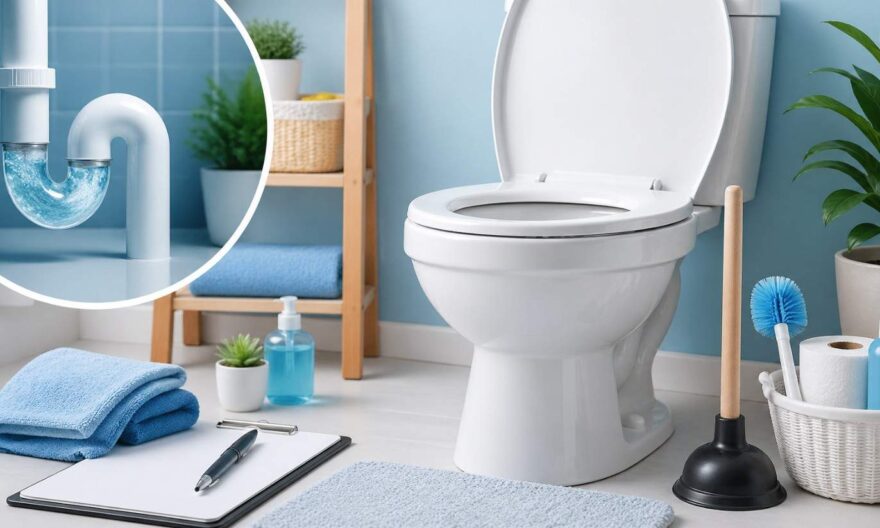
Nobody likes grabbing a plunger early in the morning. Blocked toilets bring stress and mess that upset the whole house. Knowing the causes helps families stay away from this messy problem. A toilet bowl choke usually happens when the wrong items go into the pipes. Simple daily habits can stop most issues before they start.
Many homeowners think clogs come from bad luck or old pipes. The truth involves everyday choices that push waste through narrow paths. Stopping a toilet bowl choke starts with knowing what belongs in the water. A few small changes to family routines will save time and trouble later. This guide shares useful tips for keeping your bathroom fixtures flowing well.
Watch What You Flush Down The Drain
The main cause of blockages involves things that should never go into the pipes. Only body waste and toilet paper belong in the bowl. Everything else risks making a toilet bowl choke that gets worse over time.
- Wet wipes cause big trouble: Even those marked “flushable” often fail to break down well. These materials catch on pipe joints and grow into solid lumps.
- Cotton buds and pads swell in water: Small bathroom products grow bigger and stick to pipe walls. Each added piece makes the gap tighter until the water stops moving.
- Dental floss wraps around blockages: This strong thread snags on any rough spot inside the pipes. Once caught, it gathers other bits like a growing web.
Teaching every family member takes patience but pays off fast. Put a small bin next to the toilet for non-flushable waste. This simple change removes the most common cause of bathroom backups.
Adjust Water Levels For Better Flow
The amount of water in your tank changes how well waste moves through pipes. A weak flush leaves bits behind that build up over weeks. The right setting gives each flush enough push to clear the bend fully.
- Testing Your Flush Strength Simply
Drop a small bunch of toilet paper into the bowl before flushing. Watch whether the paper vanishes fully in one smooth motion. Slow spinning or leftover bits show weak water flow, needing changes. Repeat this test after any tank fixes to make sure things have improved.
- Knowing Your Fill Valve Type
Different toilets use different parts to control water levels. Older models have a floating ball attached to a metal arm. Newer ones use a plastic cup that slides up and down a tube. Know your valve type before trying any changes. This know-how stops accidental harm from turning the wrong screw.
Use Enzyme Cleaners Monthly
Chemical drain openers harm pipes and hurt the planet with strong ingredients. Natural enzyme treatments eat away built-up gunk without eating your pipes. These products break down paper bits and waste pieces stuck to pipe walls. Below are three good things about switching to enzyme-based care.
- Safe for all pipe types: Enzymes do not react with metal, plastic, or shiny surfaces. You can use them often without worrying about lasting harm.
- Stops buildup before blockages form: Monthly treatments melt gathering bits while still soft. This stops small deposits from hardening into tough clogs.
- Smell removal happens naturally: The same process that clears pipes also gets rid of odours. No need for fake smells or strong chemicals.
Pour the right amount into the bowl before sleeping. Let the enzymes work through the night without flushing. Morning brings clearer pipes and fresher bathroom air. This gentle way works very well for homes with septic tanks.
Keep A Plunger Nearby At All Times
Even with perfect habits, small blockages still happen sometimes. Having the right tool ready makes quick work of simple backups. A flange plunger made for toilets works much better than standard sink plungers. Below are three plunger tips that boost your success rate.
- Make a good seal before pumping: Push down hard to flatten the rubber cup against the hole. Air leaking around the edges wastes all your effort.
- Use sharp, strong thrusts: Soft pushing only moves water back and forth without effect. Quick, hard pumps make pressure changes that free stuck material.
- Cover the overflow tube for more force: Stuff a wet cloth into the small hole inside the bowl. This sends all plunger power toward the blockage below.
Practice using your plunger before a real problem happens. Knowing the right way saves precious minutes when water rises close to the rim. A good plunger costs little but gives huge peace of mind.
- Knowing When To Call Expert Help
Sometimes blockages fight off all home fixes and simple tools. A toilet bowl choke that comes back each week suggests a deeper problem. Water backing up into other drains shows serious main pipe issues. Local plumbers come with special cameras and snaking gear. These tools reach far beyond what home plungers can get to.
Put Drain Screens On All Openings
Hair and soap scum slowly build up inside pipes until water has trouble passing. Small screens catch these bits before they enter the drain system. The mesh covers cost very little but stop huge headaches. Below are three spots where screens make the biggest difference.
- Shower drains catch loose hair strands: Long hair wraps around pipe joints like a rope. Screens let water through while trapping potential clog materials.
- Bathroom sink holes stop toothpaste globs: Thick paste hardens inside traps and makes paths tighter. A simple strainer keeps this sticky goo out of your pipes.
- Bathtub overflow covers need checking too: Some blockages start from bits getting in through side holes. Make sure all water entry spots have proper cover.
Clean these screens each week by dumping caught bits into the bin. Rinse them under running water before putting them back in place. This five-minute job stops months of slow pipe narrowing.
Why Pick Local Plumbers
When home care fails, expert help becomes needed. Local plumbers know the common pipe materials and layouts in your area. They come faster than big chains and ask for fairer prices. Their good name depends on neighbour happiness and word-of-mouth tips. Building a bond with a trusted local expert gives you a solid backup plan.
Final Thoughts On Stopping Clogs
Most toilet blockages come from simple, easy-to-avoid house habits. Changing what goes into the bowl stops most problems before they start. A toilet bowl choke rarely shows up without warning from slow-draining water. Local plumbers stay ready for issues beyond basic home fixes. Steady small efforts keep your bathroom fixtures working well for years.
Frequently Asked Questions
- How often should I pour enzyme cleaner down my toilet?
Use enzyme treatment once each month for the best stopping results. Pick a night when no one will need the bathroom until morning. Let the mix work for six to eight hours before flushing. Regular schedules work better than random treatments.
- Can hard water cause toilet clogs over time?
Rock bits narrow pipe openings very slowly over many years. This rarely causes sudden full blockages by itself. Hard water problems usually join with other issues to create issues. Water softeners help if rock buildup worries you.
- What should I do if plunging makes the water level rise?
Stop plunging right away when water climbs toward the bowl’s rim. Turn off the water supply valve behind the toilet base. Call a skilled worker rather than risking a messy overflow event. More plunging will only push water onto your bathroom floor.
- Are chemical drain cleaners safe for regular toilet care?
No, these harsh products harm pipe materials and seals over time. The heat they make can crack shiny bowls or soften plastic pipes. Use enzyme-based cleaners instead for routine monthly care. Save chemicals only for expert use in very bad cases.