

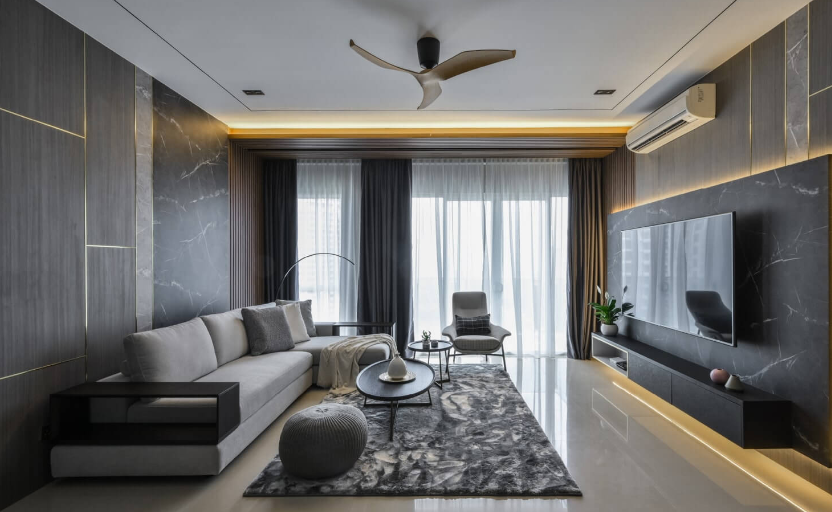
Living in compact homes presents both challenges and opportunities. Many households in Selangor manage within limited floor space. Despite square metre constraints, a well-planned design transforms tight quarters into open, breathable rooms. Through smart layouts and clever lighting, the illusion of space becomes reality.
Professionals who work in interior design Selangor bring more than style — they get solutions. They focus on practical arrangements, visual flow, and natural lighting to help homeowners maximise the benefits of every space.
Let’s explore how thoughtful design expands small homes without knocking down walls.
The Psychology of Space
Why Small Rooms Feel Smaller Than They Are
Crowded layouts make rooms shrink in your mind. When furniture stands too close or blocks views, your eyes feel boxed in. Dark corners add to the sense of limitation. Your brain reads such signals as confinement.
Interior designers counter this perception by guiding the eye, managing light, and clearing visual clutter. These techniques reshape how we experience a room — and how we live within it.
Planning a Space-Conscious Layout
1. Zones with Purpose
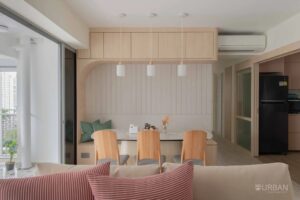
- Dividing a room into zones keeps it functional. Each section should support one key activity. For example, use a small dining nook for meals only. Position a reading chair in a quiet spot. This clarity prevents overlap and confusion.
- Zoning also gives a small home structure, which reduces visual chaos. Interior designers in Selangor often use low-profile dividers, furniture backs, or rugs to separate spaces without blocking light.
2. Flow Over Furniture Count
- Fewer pieces make more room. Instead of squeezing in every item, choose furniture that moves with the space. Slim tables, wall-mounted desks, and folding chairs create room to breathe. Sofas with legs let light pass underneath, lifting the entire scene.
- Designers avoid placing furniture where people walk. They design routes within rooms, allowing easy motion from door to window. This flow makes even narrow spaces feel open.
3. Multi-Function Furniture as the Hero
- Beds that lift, benches that store, or ottomans that serve as coffee tables all reduce clutter. When pieces perform double roles, they remove the need for extras. Homes in Selangor often use such furniture in tight rooms, like flats or older terrace houses.
- Hidden storage frees up floors and keeps things neat — a crucial factor when every inch counts.
The Role of Colour and Contrast
1. Light Shades Reflect Space
- Pale colours bounce light around, making walls recede. Whites, creams, and pastels stretch a room by softening its borders. Interior designers apply these tones to walls, ceilings, and large furniture to maintain brightness.
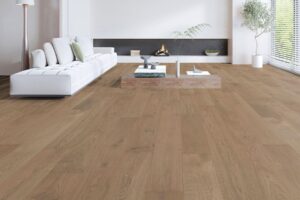
- Floors should stay a similar shade or slightly warmer. A unified palette helps the space feel whole, not chopped into segments.
2. Use Contrast Wisely
- While light shades open space, bold accents guide attention. A navy cushion, black lamp, or dark-framed mirror grounds the room without overpowering it. Too much contrast can shrink a room. Designers use restraint — one or two contrasting elements can add depth without crowding the eye.
Let There Be Light — Natural and Artificial
Maximise Natural Light
Sunlight enlarges a room instantly. Designers in Selangor favour bare or sheer window treatments. Heavy drapes get removed or replaced with blinds that vanish when raised. Where privacy is essential, frosted glass or pale curtains work better.
Mirrors reflect sunlight, pushing it deeper into the room. A mirror opposite a window doubles the light and the sense of space.
Smart Lighting Layouts
Lighting shapes how a space feels after sunset. Overhead lights often create hard shadows. Instead, designers use layers:
- Ceiling lights for a general glow
- Wall lights to lift shadows
- Table or floor lamps to highlight corners
This approach keeps light soft and movement flexible. Warm white bulbs flatter skin and space alike, while cold light can flatten the room.
Vertical Thinking – Using Wall Space
1. Raise Storage
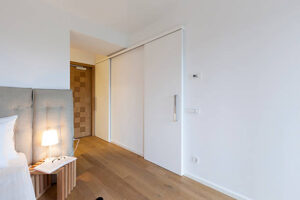
- When floor space runs out, walls step in. Floating shelves, tall cabinets, and high-mounted storage keep items off the ground. Designers in Selangor often suggest vertical wardrobes that blend with the walls, avoiding bulky shapes.
- This technique keeps items handy while preserving valuable floor area.
2. Taller Curtains, Bigger Feel
- Hanging curtains from ceiling height — even above window frames — draws the eye upward. This trick lifts the entire wall, making ceilings appear higher. Choose a lightweight fabric to avoid visual weight.
3. Vertical Lines in Design
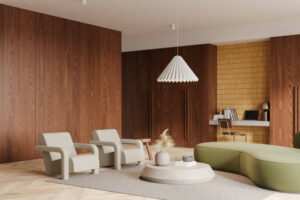
- Stripes that run top to bottom elongate a space. This can come through paint, wallpaper, or even the grain of wood panels. Vertical design patterns pull the eye upwards and soften room limits.
Furniture Placement Tactics
1. Avoid Wall-Hugging
- Pushing all furniture to the edges sounds logical but can flatten a room. Designers often float items like sofas or side tables inward by a few centimetres. This allows airflow behind furniture and adds depth.
2. Anchor the Space
- A well-placed rug or artwork centres a room. It tells your eye where the space begins and ends. Anchors like these help small rooms feel designed rather than improvised.
3. Use Clear or Reflective Materials
- Glass, lucite, and shiny surfaces absorb less visual space. A transparent coffee table disappears while still serving its function. Reflective tiles or glossy finishes also help scatter light and brighten corners.
The Power of Organisation
A tidy room feels larger than a cluttered one. Designers help homeowners choose practical storage systems. Open shelves should carry only essentials. Closed storage keeps personal items out of view.
A Quick Comparison
To show how different design choices affect the perception of space, see the table below:
| Element | Space-Enhancing Option | Why It Works |
| Wall Colour | Soft white or pastel | Reflects light, expands boundaries |
| Furniture Type | Raised legs, multi-use | Frees floor space, adds flexibility |
| Window Treatment | Sheer curtains or blinds | Allows maximum daylight |
| Lighting Style | Layered, warm-toned | Eliminates shadows, softens edges |
| Storage Method | Vertical or built-in | Removes floor clutter |
Cultural Sensitivity and Climate
Designers in Selangor face unique climate and cultural demands. Warm weather means ventilation matters. Open layouts with ceiling fans often replace air-conditioning in some homes. Natural light also plays a strong role, especially in traditional homes where windows stretch wide.
Culturally, many households include prayer corners or multi-generational setups. Designers balance privacy with openness, creating partitions that preserve space without closing off the room.
Mistakes to Avoid in Small Home Design
1. Overfurnishing
- Too many items block movement and hide surfaces. Each piece should earn its place.
2. Dark Floors and Ceilings
- These can make rooms feel closed in. Stick with medium to light tones.
3. Blocking Natural Light
- Furniture or storage near windows limits the biggest space booster — sunlight. Keep windows clear.
4. Ignoring Transitions
- Rooms should not shift style wildly from one to another. Consistent colour and tone unify the home.
Conclusion
Good design does not change your home’s size. It changes how it feels. Through smart layout, clever storage, and light play, even the smallest homes stretch open. Thoughtful use of vertical space, soft colours, and furniture choices can transform a once-tight flat into a calm, open haven.
Professionals in interior design Selangor help residents craft beauty within bounds. They understand how to guide light, shape motion, and simplify rooms without losing comfort. With their help, compact homes stand tall in both function and elegance.
FAQ’s
1. Can interior design make a small home feel larger?
Yes, absolutely. Good interior design doesn’t change your square footage, but it can change how space feels. Smart layouts, use of mirrors, strategic lighting, and multifunctional furniture all contribute to making small homes feel open, airy, and more spacious.
3. What colours are best for small homes?
Neutral tones such as white, beige, light gray, and soft pastels are widely used. They reflect light and create a sense of openness. Designers might add pops of colour through accessories or feature walls to keep the space lively without overwhelming it.
4. Can I do any of this myself, or should I always hire a pro?
You can certainly apply some tips on your own — like using mirrors or light colours. But if you want a tailored layout, built-in solutions, or a major transformation, hiring a local interior designer in Selangor can save time, avoid mistakes, and ensure a well-planned, cohesive result.