Picking an engagement ring sparks one of the biggest moments in life. Many couples chase a ring that mirrors their story, style, or happy memories. A bespoke engagement ring lets people shape each tiny detail with care or heart. From the first sketch to the final shine, skilled craftsmen mould every part with patience or precision. The journey may stretch across several weeks, yet the finished ring often glows with deeper meaning than a ready-made piece. Learning about the timeline helps couples steer the process with ease or savour each exciting stage without worry or pressure.
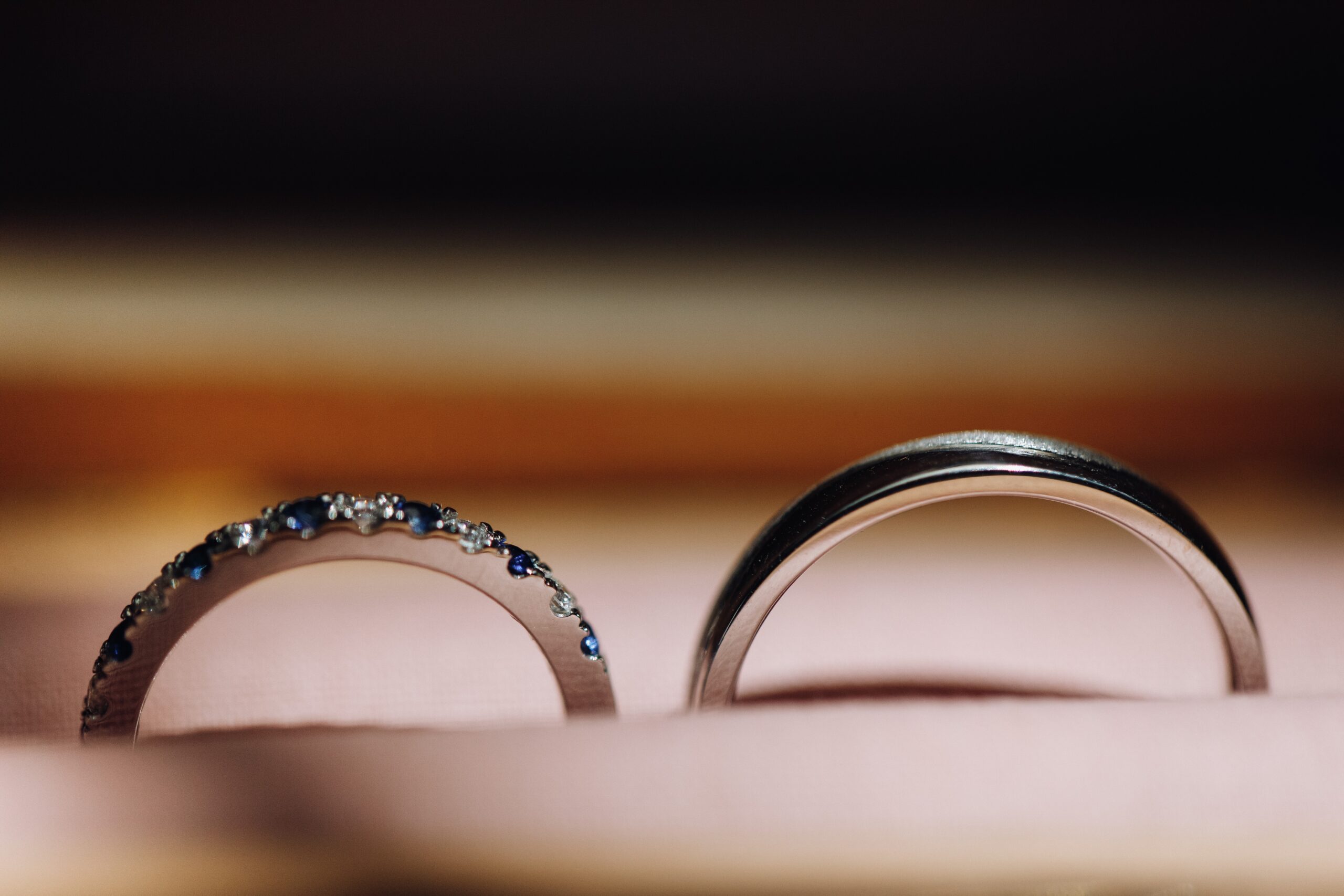
Why Custom Rings Need More Time
A custom ring follows a careful path. A jeweller cannot simply pull it from a shelf. Instead, skilled craftsmen sketch, carve, or shape each detail by hand.
This repair jewellery process unfolds in stages. The designer studies ideas, gathers materials, or builds the ring piece by piece. Because of this, the finished ring feels unique or full of character.
What Adds Time to the Process?
- Handcrafted details
- Stone hunting
- Design changes
- Engraving work
- Final quality checks
Each stage breathes life into the ring or helps it stand apart.
The First Design Meeting
The journey often starts with a warm or friendly meeting. During this stage, the jeweller listens to ideas to explore different styles. Some people carry photos or sketches, while others describe a dream ring with words.
This step may last one or two meetings. However, clear ideas often help the process flow faster.
What Happens During the Consultation?
- Explore ring styles or gemstone shapes.
- Pick metal colours or finishes.
- Review sketches or design plans.
- Discuss timelines for each stage
A strong plan steers the project in the right direction. Therefore, smart choices at this stage matter a lot.
Choosing the Right Ring Style
Ring style shapes the whole design. Simple bands often move through production faster. Detailed vintage patterns or hidden stone settings need extra care or time.
Some people lean towards classic looks, while others chase modern designs with bold lines or sharp shapes.
Popular Ring Features
- Halo settings
- Solitaire bands
- Twisted designs
- Hidden gemstones
- Vintage patterns
Each feature shifts the crafting process differently.
Building the Ring Design
After the first meeting, the designer begins to sketch the ring. Some jewellers draw detailed pictures by hand, while others craft digital models.
This stage lets couples see the ring before production begins. Most designers spend one to two weeks shaping or refining the final look.
Small changes can stretch the timeline. However, careful reviews help avoid mistakes later.
Why Design Approval Matters
A final approval clears the path for crafting. It also helps the jeweller avoid errors in the workshop.
Design approval often includes:
- Stone placement checks
- Bandwidth reviews
- Metal colour choices
- Engraving details
Once approval arrives, the workshop springs into action.
Understanding Metal Choices
Metal choice shapes both the style or strength. Each metal brings a different shine or feel. Yellow gold glows with warmth or tradition. White gold flashes with brightness, while platinum delivers strong support or a rich finish.
Things to Think About When Picking Metal
- Skin comfort
- Daily wear habits
- Favourite colour tones
- Long-term strength
The right choice helps the ring sparkle for many years.
Crafting the Ring by Hand
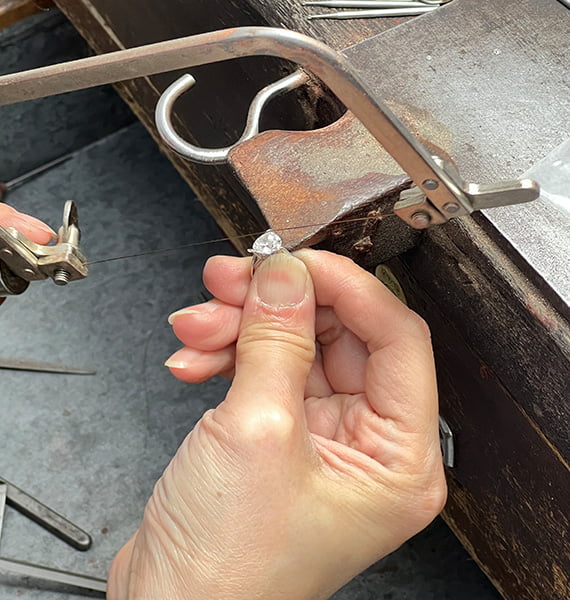
This stage forms the soul of the process. Skilled hands carve the band, lock the stones into place, or smooth every edge.
Most workshops spend two to four weeks crafting a custom ring. Detailed patterns or mixed metals can stretch the timeline further.
Main Steps During Crafting
- Cast the metal band
- Secure gemstones in place
- Smooth rough surfaces
- Test strength or balance
Each step sharpens the beauty or strength of the final piece.
The Skill Behind Handcrafted Rings
A handcrafted ring carries care in every curve. Skilled craftsmen shape tiny details with patience or precision.
Machines can stamp out standard designs in large numbers. However, handcrafted work gives the ring warmth or personality.
Signs of Strong Craftsmanship
- Smooth edges
- Tight stone settings
- Balanced design
- Bright polish
- Comfortable fit
These details help the ring feel timeless or elegant.
Adding Personal Touches
Many couples add small details that carry special meaning. These extra touches may take more time, yet they turn the ring into a treasured keepsake.
Some people carve initials into the band, while others tuck hidden birthstones beneath the setting.
Popular Personal Features
- Engraved initials
- Important dates
- Tiny hidden gems
- Nature-inspired patterns
These small details often deepen the emotional value of the ring.
Final Checks or Adjustments
Before collection day arrives, the jeweller studies the ring closely. They inspect the stone settings, polish, or comfort fit.
Small size changes may happen during this stage. Sometimes, people also ask to repair jewellery pieces that match the new ring. This extra work can add more time to the schedule.
Common Final Adjustments
- Resize the ring
- Polish the surface
- Engrave initials or dates
- Check stone security
These final touches help the ring gleam with confidence.
Busy Seasons Can Slow the Process
Certain times of year bring large waves of orders. Holidays or wedding seasons often fill workshops with requests.
Because of this, production timelines may stretch longer than expected. Couples who begin early often enjoy a smoother journey.
Why Early Planning Helps
Starting early offers many benefits:
- More design choices
- Better gemstone options
- Less stress during production
- Extra time for adjustments
Early planning also gives couples time to enjoy the process without pressure.
How to Keep the Process Smooth
Good communication helps the project glide forward. Fast replies or clear decisions prevent delays.
Here are a few helpful tips:
- Gather inspiration before the first meeting
- Choose styles that suit daily wear
- Reply quickly to design updates
- Ask questions during each stage
These steps help the experience feel calm or organised.
Final Thoughts
Crafting a custom ring calls for patience, planning, or skilled hands. Each stage, from gemstone hunting to the final polish, breathes life into a design that feels personal or lasting. A bespoke engagement ring captures love, memories, or style in one sparkling piece. Although the journey may span several weeks, many couples treasure the experience because they help shape the ring from the very beginning. Clear communication, smart planning, or thoughtful choices help the process glide smoothly. In the end, the finished ring gleams as a beautiful symbol of love, commitment, or a shared future.
FAQs
1. How early should I start planning for a custom ring?
Most people kick off the process two or three months before a proposal. Early planning opens more time for design changes, gemstone hunting, or final tweaks without piling stress onto the experience.
2. Can I change the ring design during the process?
Yes, many jewellers welcome design changes before crafting begins. Small updates during the design stage often slide into place with ease. However, big changes after production starts can stretch the timeline or spark extra work.
3. Do handcrafted rings last longer than ready-made rings?
A well-crafted ring can shine for many years with proper care. Skilled craftsmen carve to secure each detail with precision, which helps create a strong or durable piece for daily wear.
4. How can I keep my ring in good condition?
Store the ring in a soft box when you do not wear it. Clean it with gentle materials to remove it during heavy tasks. Regular inspections also help keep the stone settings tight or secure.
5. Why do some gemstone searches take longer?
Rare stones often take more time because jewellers search for the perfect size, cut, or colour. Careful selection helps the final design look balanced, elegant, or beautiful from every angle.