


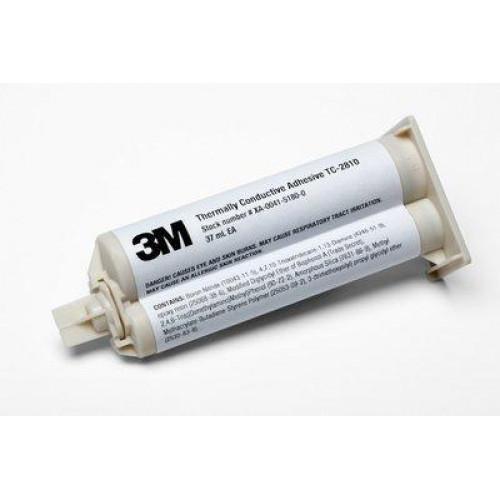
Heat management is a key part of many projects—especially when electronics, motors, or high-performance equipment are involved. When heat builds up in systems, parts may fail, performance can drop, or safety may be at risk. To avoid this, many engineers turn to thermally conductive epoxy.
This material doesn’t just hold things together. It helps heat move away from key components and into safer areas, like metal casings or heat sinks. But not every epoxy works the same way. Some handle heat better, others bond more tightly, and many vary in how you apply them.
This guide shows you how to choose the best option for your needs—whether you’re fixing a small part or building a full system.
What Is Thermally Conductive Epoxy?
Epoxy is a strong adhesive used in many industries. Best thermally conductive epoxy adds one more feature—it moves heat across surfaces while holding them together.
This is possible because the epoxy includes special fillers, such as:
- Aluminium oxide
- Boron nitride
- Silver or other metals (in some types)
These materials create a pathway for heat to travel. That helps electronic parts stay cool, motors run longer, and systems work better.
You’ll often see this epoxy in:
- Circuit boards
- Battery packs
- LED lighting
- Car engines
- Aerospace components
It often comes as a two-part mix—resin and hardener—that you combine before use.
Key Features to Look For
Each project has its own needs. So, when selecting a thermally conductive epoxy, focus on the following features.
1. Thermal Conductivity
This tells you how well the epoxy can transfer heat. The higher the number, the more heat it can move. It’s measured in watts per metre-kelvin (W/m·K).
For simple jobs, 0.5 to 1.0 W/m·K may be enough. High-power electronics may need 2.0 W/m·K or more.
2. Temperature Resistance
Some projects run hot. Others need to work in cold or shifting conditions. Make sure the epoxy matches your heat range.
Check for:
- Continuous use temperature
- Maximum temperature for short periods
- Resistance to thermal shock (rapid changes)
3. Viscosity
Viscosity means thickness. A low-viscosity epoxy flows easily into tight spots. A thicker one holds shape on vertical surfaces or in gaps.
Pick the right type based on:
- How big the bond is
- Where you need to apply it
- Whether you need it to stay in place before curing
4. Cure Time and Method
Some epoxies are cured at room temperature. Others need heat. Some take hours, while others cure in minutes.
Choose based on:
- Project timeline
- Available tools
- How fast you need strength to build
Faster isn’t always better. A slower cure may create stronger bonds.
Comparing Key Features
Here’s a simple table to help you compare epoxies based on your needs:
| Feature | What It Affects | Typical Range |
| Thermal Conductivity | Heat transfer | 0.5 – 5.0 W/m·K |
| Temperature Range | Long-term durability | –50°C to 200°C or more |
| Cure Time | Work time and production speed | 5 minutes to 24 hours |
| Viscosity | Ease of application | 500 to 100,000 cP |
| Electrical Insulation | Circuit safety | Depends on filler type |
Always check the data sheet for the exact values before using.
5. Electrical Properties
Not all epoxies are electrically insulating. If you’re working near circuits, make sure the one you pick won’t cause shorts.
Look for:
- High dielectric strength
- Non-conductive fillers (like alumina or boron nitride)
In special cases, such as grounding or shielding, a conductive epoxy may be better. Most jobs, however, require insulation.
6. Material Compatibility
Not every epoxy sticks to every surface. Some materials—like certain plastics or composites—need special care.
Ask these questions:
- Will the epoxy stick well to both surfaces?
- Will the bond last as the parts heat and cool?
- Does it need a primer or surface treatment?
Try small samples first. Testing saves time, money, and risk later.
7. Safety and Certification
Some jobs demand more than performance. You may need an epoxy that meets safety standards or passes certification tests.
Look for:
- RoHS and REACH compliance
- Low out gassing (for space or clean room use)
- Fire safety ratings (UL 94)
This matters in:
- Medical devices
- Aerospace systems
- Food or water contact parts
Review safety data sheets and ask suppliers for proof when needed.
9. Application Method and Packaging
Think about how you’ll apply the epoxy. Some formulas come in small syringes. Others ship in bulk drums.
Choose based on:
- How much you need
- What tools or dispensers do you use
- Whether you need precise dosing or large fills
Also, check:
- Pot life (how long you have to work after mixing)
- Shelf life (how long it lasts before opening)
Bad mixing or expired epoxy causes weak bonds or poor heat transfer.
Common Uses in Industry
Thermally conductive epoxies appear in many fields. Here are some examples:
1. Electronics
- Used to fix heat sinks, mount power chips, or bond LEDs. It keeps parts cool without metal fasteners.
2. Automotive
- Helps manage heat in batteries, sensors, and control modules. Stays strong even in engine compartments.
3. Aerospace
- Withstands large shifts in temperature. Bonds sensors, wires, or panels exposed to vibration and altitude.
4. Renewable Energy
- Used in solar inverters and battery packs. Helps high-power systems stay safe and efficient.
Choosing the Best Thermally Conductive Epoxy: Step-by-Step
Making the right choice takes planning. Here’s how to get started:
Step 1: Define the Job
Write down:
- The surfaces you will bond
- The size and shape of the bond line
- How much heat the system will create
- Any special needs (electrical insulation, chemicals, outdoor use)
Step 2: Match the Specs
Use your list to compare product data sheets. Focus on:
- Thermal conductivity
- Bond strength
- Temperature range
- Cure time
- Safety and standards
Step 3: Try a Sample
Order a small amount. Run a test in real conditions. Check:
- How easy it is to mix and apply
- How strong the bond feels
- How it behave when hot
A quick test prevents costly mistakes.
Step 4: Confirm with Experts
If you’re unsure, contact a technical support team. They often help match formulas to your job.
What to Avoid?
Even good epoxy can go wrong if misused. Here are common mistakes:
- Applying too much: Thicker layers may trap heat instead of moving it
- Skipping prep: Dirty surfaces weaken bonds
- Rushing the cure: Early movement ruins contact
- Guessing instead of reading: Always check the datasheet
Good results come from matching the right product with the right process.
Conclusion
Choosing a thermally conductive epoxy takes more than picking a product off the shelf. Each job brings different needs—some demand high conductivity, others need flexibility or strength. The best thermally conductive epoxy balances all of these with ease of use, safety, and long-term performance.
Think through your materials, heat flow, environment, and process. Take time to test. Ask questions. With the right match, your bond will do more than hold—it will help your project last longer, run cooler, and stay reliable.
For More Information : Neotech Engineering