


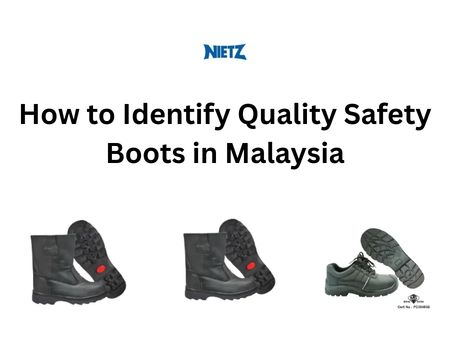
Work sites face dangers every day, from sharp tools to heavy equipment or wet floors. Workers need strong shoes that shield every step or hold them steady during long hours. Many people search for safety boots Malaysia to find boots that combine strength, comfort, or lasting wear.
A good pair protects toes, supports ankles, or grips slippery surfaces. While the wrong boots can cause injuries or fatigue. Learning how to spot reliable boots helps workers move safely or confidently on every job.
Why Quality Safety Boots Matter
Workers face rough ground, sharp scrap, or heavy tools daily. Therefore, strong boots guard the feet from harm. Without them, even minor accidents can lead to serious injury.
Good boots protect toes, support ankles, or grip slick floors. While they help workers stay steady while lifting or climbing. As a result, the worker remains safe or confident through long hours.
Poor boots fail during stress. Therefore, thin soles tear. Weak seams split. Consequently, the foot loses protection. Even choosing the right pair prevents such risk.
Key benefits of strong safety boots include:
- Shield toes from heavy impact
- Guard feet from sharp objects
- Support ankles on uneven ground.
- Provide a firm grip on wet or oily floors
Check the Toe Protection
Steel or Composite Toe Caps
Toe protection stands as the most vital feature of work boots. While hard caps shield toes from falling tools or heavy loads. Therefore, strong boots include steel or composite caps.
Steel caps resist heavy impact. While composite caps use durable fibre or plastic. Therefore, these caps weigh less yet still guard the foot.
Even workers should press the toe area to feel firmness. While a quality cap holds its shape or resists bending.
Look for these signs:
- Solid cap shape that does not bend
- Smooth finish inside the toe area
- Enough space for toe movement
- Clear safety markings on the boot
Examine the Sole Grip
Slip Resistance
Work floors often hold water, oil, or loose dust. Because of this, workers need a strong grip under their boots. Therefore, a deep tread pattern grips the floor or prevents slips.
Rubber soles often provide a firm grip. Even thick patterns bite the ground or hold stable during movement. As a result, workers walk safely or confidently.
Key grip features include:
- Deep tread patterns
- Thick rubber soles
- Flexible yet strong material
- Strong bond between the sole or upper
Sole Material or Shock Absorption
Soles also absorb shocks from hard surfaces. While polyurethane or nitrile soles cushion each step. Therefore, workers avoid foot fatigue even after long shifts.
Instead, check the sole by pressing or bending it. Hence, quality soles rebound quickly or feel sturdy. So avoid soles that flatten or crack under pressure.
Sole inspection checklist:
- Material springs back when pressed
- Even thickness across the sole.
- No cracks along edges.
- A firm connection with the upper.
Inspect the Boot Material
Strong Leather or Durable Fabric
Boot material shapes comfort or protection. Even thick leather resists cuts, tears, or rough surfaces. While it also bends with foot movement. Therefore, quality leather boots show tight grain or firm texture.
While a weak leather feels thin or soft. Even workers should press the surface or inspect the stitching carefully. Therefore, some boots also use strong fabric blends. So, these fabrics resist wear while reducing weight.
Check for these signs:
- Thick leather with firm texture
- Tight stitching lines
- No loose threads
- Strong seams around the sole
Water Resistance or Breathability
Boots often face wet conditions. Even water-resistant leather or treated fabric prevents moisture from soaking through. Meanwhile, breathable lining allows air circulation, reducing sweat or discomfort.
Inspect boots for:
- Coated leather or treated fabric
- Seam sealing to block water.
- Perforated or mesh lining for airflow
Look for Comfort or Support
Cushion or Arch Support
Workers spend long hours on their feet. Even good boots cradle the foot or reduce strain. While a strong insole cushions the heel or spreads body weight. Therefore, an arch support maintains the foot’s natural shape. Without it, workers experience fatigue or discomfort.
Important comfort features include:
- Soft inner padding
- Firm arch support
- Breathable lining
- Secure ankle hold
Ankle Stability or Heel Support
Boots should support the ankle during movement. While high collars or padded collars prevent twisting. Meanwhile, strong heel counters keep the heel secure during climbing or walking.
Look for:
- Firm heel counter
- Padded ankle collars
- High cut for extra stability
- No slipping when walking
Confirm Safety Certification
Recognised Safety Standards
Quality boots carry marks that confirm testing. Even these marks indicate boots passed strict impact, slip, or puncture tests.
Therefore, workers should check labels or tags for these marks. While a trusted safety boots supplier explains ratings or helps buyers understand requirements.
Look for labels that confirm:
- Impact protection
- Slip resistance
- Puncture resistance
- Electrical hazard protection
Regional Safety Requirements
In Malaysia, local worksite regulations may require certain standards. While ensuring boots from a safety boots supplier meet industry safety norms. Therefore, compliance ensures safety or legal protection for employers or workers.
Evaluate Durability
Long-Term Strength
Strong boots must survive daily stress. Workers walk on rough ground, climb ladders, or lift heavy loads. Therefore, durability becomes a key factor. Even inspect the sole bond, stitching, or material strength. While quality boots show clean stitching or solid joints.
Signs of durable boots include:
- Thick stitching along the upper
- Firm sole attachment
- Tough leather or fabric surface
- Strong heel structure.
Repairability or Maintenance
Durable boots last longer when maintained. While some boots allow sole replacement or polishing. Therefore, workers can extend the lifespan by cleaning or conditioning leather.
Check for:
- Removable insoles
- Replaceable laces
- Smooth surfaces for easy cleaning
Test Fit or Movement
Proper Fit Prevents Injury
Boots must fit snugly yet allow toe movement. Even tight boots cause pain. While loose boots cause slips. Even workers should walk a few steps while wearing boots. Therefore, the heel must stay firm while the front bends naturally.
Before selection, check:
- Toes move without pressure
- Heel stays secure
- The boot bends at the ball of the foot.
- No rubbing around the ankle
Break-In Period
Some boots require a short break-in. While leather softens with wear. However, boots should not cause blisters or extreme pain during this period. Even choose boots that adapt to the foot comfortably.
Conclusion
Picking the right boots keeps workers safe, comfortable, and strong throughout the day. Hard toe caps, tough soles, durable material, or firm support shape the best boots. A trusted pair of safety boots Malaysia meets safety rules or stands up to harsh work conditions. Checking every feature carefully helps workers choose boots that last or perform under pressure. Smart choices protect feet, boost confidence, or make every step safer. Good boots turn safety into a daily habit.
FAQ
Q1. What makes a safety boot durable?
Durable safety boots are made with strong materials, stitched carefully, or have firm sole connections. These features help them handle the tough work conditions, keeping your feet safe or long- lasting for a time.
Q2. How can I ensure my safety boots fit correctly?
To get the right fit, make sure the boots give your toes room to move, hold your heel in place, or bend easily at the ball of your foot. A good fit keeps your feet comfortable and safe.
Q3. Why is ankle support important in work boots?
Ankle support in work boots stops your ankles from twisting or helps you stay steady while moving. A boot with a soft collar or strong heel support keeps your ankle safe all day.