

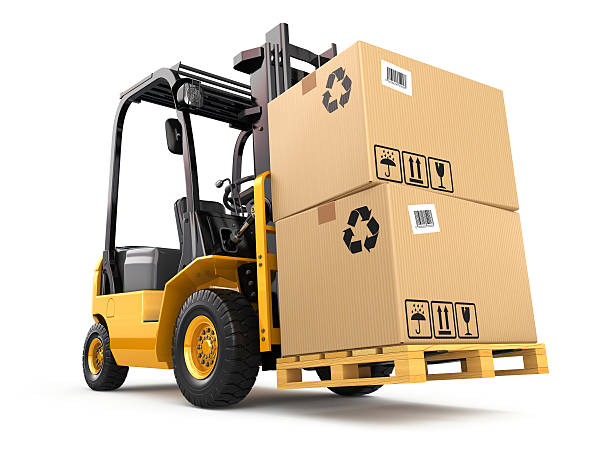
Many electric forklifts look fine at first glance. Yet hidden faults can form over time, and they often stay out of sight until something goes wrong. A missed crack, a weak battery, or a small leak can bring work to a stop and put your team at risk. Some issues seem harmless at the start but grow fast when the electric forklift comes under load.
This expanded guide gives you a clear way to check your electric forklift before each shift. You will learn what to look for and how each check helps keep your site safe. These steps come from real-field use across busy warehouses, ports, and logistics hubs in Singapore.
With the right routine, you cut downtime, prevent damage, and keep your forklift in top shape. Now let’s break the process down into simple, safe steps you can follow each day.
Why Daily Checks Matter for Electric Forklifts
Electric forklifts run on battery systems, wiring, motors and hydraulic parts that must work together. When even one of these slips out of shape, risks rise fast. A simple check can prevent costly repairs later.
Daily checks help because:
- They keep the forklift safe for operators and nearby staff.
- They help you meet Singapore’s workplace rules.
- They reduce breakdowns during peak hours.
- They extend battery and component life.
- They prevent sudden faults that can turn into accidents.
A few minutes of inspection gives you hours of trouble-free work.
Pre-Use Electric Forklift Inspection: Full Breakdown
Below is a complete checklist. The steps are easy to follow and apply to most electric forklift in Singapore.
1. Check the Battery Condition
The battery is the heart of an electric forklift. If it fails, the forklift will stall or lose power in the middle of a task.
What to check
- Charge level before the shift
- Cables and connectors that must be secure
- No leaks or corrosion marks
- No bulging or odd smells from the case
- Even water levels if using a lead-acid battery
Why this matters
A poor battery can overheat, drain too fast, or fail under load. Early signs help you stop problems before they cause damage.
2. Look Over the Charging System
Many issues begin at the charger.
Things to confirm
- The charger shows normal status lights
- No burnt smell or heat marks on the unit
- Charging cables are not split or bent
- The connector locks in place
If the charger is faulty, the battery may not charge fully and this affects performance across the shift.
3. Inspect Tyres for Wear and Damage
Electric forklifts often operate in tight indoor areas. Worn tyres reduce grip and make the forklift hard to steer.
Look for
- Cuts along the tyre edge
- Flat spots
- Tread that is worn down
- Low pressure (if pneumatic)
- Deep cracks from long storage periods
Tyres must support the whole load. Even mild wear affects balance and increases the tipping risk.
4. Test the Brakes
Brakes must stop the forklift fast and smoothly.
Steps to test
- Press the pedal. It should feel firm, not soft.
- Test the service brake during a slow roll.
- Try the parking brake on a small incline.
If the brakes feel weak or noisy, log the issue at once.
5. Check Steering Response
Steering faults can lead to accidents in narrow warehouse aisles.
What to feel for
- Smooth movement with no stiffness
- No delay between turning and wheel response
- No grinding sounds
- No pulling to one side
If the wheel shakes or sticks, do not use the forklift.
6. Inspect the Mast
The mast lifts and lowers the load. Many failures come from mast wear or damage.
Check these points
- Rollers that must move with ease
- No cracks or bends on the frame
- No rust around joints
- Chains must move with no jerks
When the mast jerks or shakes, the load becomes unstable.
7. Check Fork Condition
Forks take the full weight of the load. Small faults can lead to dropped goods.
Look for
- Bent forks
- Uneven fork height
- Wear at the heel of the fork
- Cracks near the mounting area
If the forks are not level, lifting becomes unsafe.
8. Examine the Chains
Chains help the mast lift. Worn chains are a major hazard.
Inspect for
- Rust
- Stretched links
- Dry or noisy movement
- Missing pins
A small chain fault can cause sudden drop of the load.
9. Inspect the Hydraulic System
Hydraulics help raise and lower the forks. Leaks can cause the mast to drop without warning.
Signs of problems
- Oil on the ground
- Jerky lifting
- Slow mast action
- Whining sounds when lifting
Hydraulic faults need urgent attention.
10. Check All Controls
Electric forklifts come with strong control systems. They must work at once with no lag.
Test
- Lift and lower controls
- Tilt control
- Side shift (if fitted)
- Drive control
- Forward and reverse switches
If any control feels slow or unresponsive, do not continue.
11. Review Warning Devices
Safety alerts protect operators and others on site.
Confirm that
- The horn is loud
- Lights turn on, including brake lights
- Reverse alarm sounds clear
- Indicator lights on the dash display correctly
- Emergency stop works
Any missing device can put people at risk.
12. Inspect the Body and Chassis
Walk around the forklift and check for damage.
Look for
- Cracks on covers
- Loose bolts
- Bent guards
- Missing panels
- Fluid marks under the forklift
A clean chassis makes faults easier to spot.
13. Cleanliness and Clear View
A clear view reduces accidents. Dust and debris can block the operator’s line of sight.
Check
- Mirrors are clean
- Windscreen is clear
- Lights are free from dust
- Forklift floor area is free of items
Small objects on the floor can get caught under pedals.
14. Review the Electric Forklift Inspection Checklist
A written electric forklift inspection checklist keeps inspections consistent. It helps track changes over days or weeks.
Your checklist should include
- Battery level
- Charging system
- Tyres
- Brakes
- Steering
- Mast
- Forks
- Chains
- Hydraulics
- Controls
- Safety devices
- Body condition
A standard checklist speeds up training for new staff too.
Safety Tips When Operating an Electric Forklift
Keeping safe goes beyond the inspection.
Try these simple habits
- Keep the load low while moving
- Slow down at corners
- Avoid sharp turns
- Do not overload
- Stop if a warning light appears
- Use spotters in tight zones
These habits prevent many common accidents in workplaces across Singapore.
When to Stop Using an Electric Forklift
Some signs mean you should stop the forklift at once.
Stop if you notice
- Burning smell near battery
- Heavy oil leak
- Forks that tilt on their own
- Jerky mast action
- Warning lights that stay on
- Strong vibration during use
Tag the forklift and log the fault. It must be checked by a trained technician.
Conclusion
A careful check before each shift keeps your electric forklift safe and ready for work. These steps protect your team, reduce breakdowns, and extend the life of your machine. A few minutes of care gives you a smooth shift with fewer delays. A strong inspection routine builds trust among staff and makes every job safer. When your team follows the same steps each day, the forklift stays reliable and steady for long-term use.
FAQs
How long should an electric forklift inspection take?
A full check takes about five to ten minutes. With practice, operators can spot issues fast and note changes from the day before.
Do electric forklifts need daily checks?
Yes. A daily check prevents sudden failures and meets most site safety rules in Singapore. A small issue found early can stop bigger problems later.
What is the common cause of electric forklift breakdowns?
Weak batteries and poor connectors are the top causes. Tyre wear and hydraulic leaks also lead to sudden faults if not spotted early.
Should I report small faults?
Yes. Even a minor leak or a loose part can grow into a bigger issue. Report all faults at once and stop use if the issue affects safety.
Also Read: How Telescopic Boom Lift Improves Safety in Industrial Maintenance?