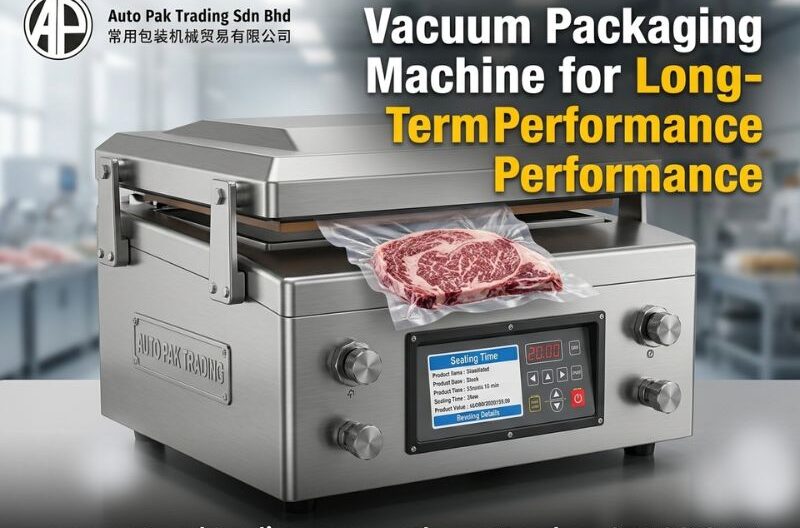
To ensure a vacuum packaging machine is used effectively, clean sealing bar and chamber after each production run, check gaskets and seals weekly, lubricate moving parts according to manufacturer’s instructions and change out worn parts before they fail. By implementing a well-designed preventive maintenance plan, uptime can be increased by as much as 40% and unplanned downtime in production systems can be minimized.
Machine downtime is a real cost and a bother to factory managers and maintenance staff. When vacuum packaging machine is well maintained, it maintains vacuum pressure, features consistent quality of sealing and ensures product quality in each production process. The key factor that can make the difference between a five-year machine and a fifteen year machine is how well the maintenance program is implemented.
This booklet includes maintenance tips that have been tried and tested in the field, and will help you get the most from your equipment investment.
Why Preventive Maintenance Matters More Than Reactive Repairs
Most machine failures do not happen suddenly. They build over time through accumulated residue, gradual seal degradation, and ignored warning signs. Reactive maintenance — fixing problems after they occur — typically costs three to five times more than scheduled preventive care, when you factor in emergency parts, labour, and lost production time.
Preventive maintenance shifts the control back to your team. You set the schedule. You replace parts on your terms. You avoid the scramble of an unexpected breakdown during a full production shift.
Daily Maintenance Tasks Every Operator Should Follow
Daily habits form the foundation of any solid maintenance programme. These tasks should be completed at the end of each shift or production run, before the machine is shut down.
Clean the Vacuum Chamber Thoroughly
Every cycle leaves food particles and moisture and liquid residue in the chamber. If left untreated it causes a build up of contamination which affects vacuum pressure and seal quality Clean the inside of the chamber with a non-abrasive, edible cleaner. Check corners and the area around the sealing bar especially, as this is where most debris tends to collect.
Inspect the Sealing Bar and Element
The sealing bar takes direct heat and pressure with every cycle. Check the Teflon tape covering the element for bubbling, tears, or discolouration. A damaged sealing element is one of the leading causes of weak or incomplete seals — and it is one of the easiest components to replace when caught early.
Check the Lid Gasket
Run your finger along the rubber gasket that lines the lid. Any cracks, hardening, or visible gaps will cause air leaks that compromise the vacuum. A gasket replacement takes minutes but prevents hours of troubleshooting and product loss.
Weekly Maintenance Checks for Vacuum Pack Machines
More than a daily clean, weekly checks are. This includes checking parts that wear out over time that may not show obvious signs of wear day to day.
- Vacuum pump oil level: Check the oil level and colour on oil lubricated pumps. If the oil looks dark or milky, it means it is contaminated and needs to be changed straight away. Most manufacturers recommend changing oil at about the 500-hour-of-service mark.
- Hose and valve inspection: Inspect all hoover hoses for cracks, kinks or loose fixtures. An air leak in a hose, even a small one, can dramatically reduce the vacuum’s effectiveness with no warning.
- Electrical Connections: Inspect the exposed wiring and terminal connections for corrosion or loose connections. In a production environment, moisture speeds up corrosion. This is especially true in food processing facilities.
- Seal pressure calibration: Test seal a sample bag and check the pressure and timing are correct to your standard settings. Drift in these values usually indicates a component problem developing in the background.
Monthly and Quarterly Maintenance for Vacuum Sealer Machines
Monthly and quarterly tasks focus on the internal mechanics and performance benchmarks that cannot be assessed visually. These checks typically require a trained maintenance technician.
Vacuum Pump Service
The vacuum pump is the heart of the machine. Every month, test pump performance by measuring the time it takes to reach the target vacuum level. If cycle times are increasing, the pump may need servicing. Quarterly, carry out a full pump inspection including exhaust filter replacement, valve plate checks, and oil flushing if applicable.
Calibrate Sensors and Timers
Pressure sensors, vacuum gauges, and sealing timers are precision instruments. Even minor calibration drift affects seal integrity and product shelf life. Compare machine readings against a calibrated reference device every quarter and adjust as needed.
Lubricate Moving Mechanical Components
Hinges, lid arms, and conveyor mechanisms — where applicable — need lubrication on a regular cycle. Use only food-grade lubricants if the machine is used in a food production environment. Consult your machine’s technical manual for the correct lubricant grade and application points.
Common Mistakes That Shorten Machine Lifespan
Even experienced teams make maintenance errors that cause premature wear. Here are the most damaging habits to avoid:
- Running the machine with a visibly damaged gasket, assuming it “still works well enough”
- Using generic cleaning chemicals that degrade rubber seals and Teflon coatings
- Ignoring pump oil changes until the oil turns black
- Skipping test seals after cleaning or reassembly
- Not keeping a maintenance log, making it impossible to track wear patterns or schedule timely replacements
Building a Maintenance Log That Actually Gets Used
It needs to be simple, available and kept up to date. It doesn’t have to be complicated – a dated checklist up near the machine is much more effective than a detailed spreadsheet that nobody fills in.
Date of record, task performed, parts replaced, and technician’s name. Over time this log becomes your best diagnostic tool. A pattern of repeated failures points to systemic issues that can be addressed before they become major problems.
| Maintenance Task | Frequency | Responsible Party
|
|---|---|---|
| Chamber cleaning | Daily | Operator |
| Gasket and sealing bar inspection | Daily | Operator |
| Vacuum pump oil check | Weekly | Maintenance technician |
| Hose and valve inspection | Weekly | Maintenance technician |
| Full pump service | Quarterly | Maintenance technician |
| Sensor and timer calibration | Quarterly | Maintenance technician |
When to Call in a Specialist
Some issues go beyond the scope of in-house maintenance. If your machine is producing inconsistent vacuum levels despite clean filters and good pump oil, or if the sealing element is producing burn marks on bags, it is time to contact the manufacturer’s service team or an authorised technician.
Attempting to repair control boards, pressure regulators, or internal pump components without proper training can void warranties and create safety hazards. Know the boundary between preventive care and specialist repair.
For businesses looking to invest in reliable equipment backed by proper after-sales support, Autopak Trading offers a range of industrial vacuum packaging solutions designed for long-term, high-performance operation in demanding production environments.
Frequently Asked Questions
How often should vacuum pump oil be changed?
Replace the hoover pump oil every 500 hours of use, or sooner if the oil is dark, milky or otherwise contaminated. If you don’t change the oil regularly the pump will wear out and you can be sure that the machine will have an even vacuum pressure during its service life.
What causes weak seals on a vacuum packaging machine?
A worn sealing element, damaged Teflon tape, incorrect sealing time or a defective lid gasket allowing air to leak in are the most common causes of a bad seal. Checking these components regularly can avoid production loss due to seal problems.
How do I know if the lid gasket needs replacing?
If the gasket is hard, has noticeable cracks or the machine requires more time to reach target vacuum levels the gasket should be replaced. Just a finger-trace test following each cleaning will alert to early signs of gasket wear.
Can I use any cleaning chemical on a vacuum sealer machine?
Do not use harsh or solvent based cleaners, they may damage rubber seals, teflon coatings and plastic parts. Use only recommended food-safe (manufacturer provided) non-abrasive cleaners to avoid premature wear on critical sealing surfaces.
How long should a vacuum packaging machine last with proper maintenance?
With a regular preventative maintenance program, the commercial vacuum packaging machine can be used for 10 to 15 years. Irregular and reactive maintenance have a noticeable impact on the performance of the machines, which will decrease substantially after 3-5 years of operation.
What should be included in a maintenance log for vacuum packaging equipment?
This should be recorded in the maintenance log, such as when the task was completed, parts replaced or inspected, the vacuum and sealing test results and the name of the technician. From the pa regular logging will alert maintenance staff to the need for replacement or other maintenance, as they will know if it is occurring again and again.