


In Singapore, a funeral wake is often conducted at a funeral parlour. Preparations include logistical coordination, informing family and community members, organising religious or cultural rites, and setting up the location appropriately – usually within 24 to 48 hours of the death.
Most wakes last 2-3 days, and then the final funeral service.The loss of a loved one is one of the most devastating experiences a family can undergo. When the loss is abrupt, or even when it is foreseeable, the practical aftermath can feel paralysing. This guide will take you through each stage of wake preparation from the first hours following a passing to the final day of service so you can focus on what is most important: being there for one another.
What Happens Immediately After a Passing in Singapore?
Before any wake arrangements can begin, there are legal and administrative steps that must be completed in Singapore. These are time-sensitive and form the foundation of everything that follows.
- A doctor must certify the death and issue a Notice of Death.
- You must register the death with the Immigration and Checkpoints Authority (ICA) within 24 hours if the death occurred at home, or the hospital will handle registration if the passing happened there.
- Once the death certificate is issued, you can proceed with funeral arrangements.
The Singapore government’s MyLegacy portal (mylegacy.life.gov.sg) provides guidance on legal obligations following a death, including estate matters and CPF nominations. It is a useful first reference for families navigating the administrative side of loss.
Choosing the Right Funeral Parlour in Singapore
Not all funeral parlours offer the same services or accommodate all religious and cultural traditions. In Singapore, the majority of funerals follow Buddhist, Taoist, Christian, or Catholic rites — with Chinese Buddhist and Taoist funerals being the most common.
When choosing a funeral parlour in Singapore, consider the following:
- Religious alignment: Does the parlour specialise in your family’s tradition? A Buddhist funeral has specific ritual requirements that differ significantly from a Taoist or Christian service.
- Location accessibility: Is the venue easily reachable for elderly relatives and guests travelling from different parts of Singapore?
- Available wake duration: Most parlours accommodate two to three-day wakes. Confirm the schedule upfront.
- Packages and inclusions: Understand what is covered — tentage, catering, floral arrangements, prayer items, and hearse — versus what incurs additional costs.
Step-by-Step: Preparing for the Funeral Wake
Step 1 — Assign Roles Within the Family
One individual can’t do everything. During the initial few hours, select certain family members to deal with essential matters: one person to contact the funeral director, one to inform relatives and friends, and one to look after the home and the immediate family’s basic requirements.
Clearly defining roles will help to avoid overlap, miscommunication and make sure nothing is missed at a high-stress time.
Step 2 — Contact the Funeral Director Early
Reach out to your chosen funeral service provider as soon as the death certificate is ready. An experienced funeral director will guide you through the sequence of events and help you make decisions aligned with your religious and cultural traditions.
Key decisions to make during this initial call:
- Duration of the wake (typically two or three days)
- Date and time of the funeral procession and cremation or burial
- Type of religious rites — Buddhist sutras, Taoist prayers, or Christian service
- Coffin selection and dressing of the deceased
Step 3 — Prepare the Wake Venue
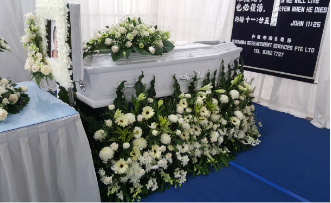
Most funeral parlours in Singapore handle the physical setup, but your family will need to provide specific items and make aesthetic decisions. Typical setup elements include:
- Altar arrangement with the portrait of the deceased
- Floral wreaths and flower arrangements
- Prayer items such as incense, joss paper (for Chinese Buddhist and Taoist funerals), and candles
- Seating arrangement for guests and family
- Catering or refreshment setup if the wake spans multiple days
For a Chinese funeral in Singapore, the altar is typically oriented in a specific direction, and the deceased is dressed in traditional funeral garments. Your funeral director will advise on the proper placement and ritual requirements specific to your dialect group or tradition.
Step 4 — Notify Family, Friends, and Community
Send wake details to immediate family first, then extend to the broader network. Include the following in your notification:
- Name of the deceased
- Wake dates, hours, and venue address
- Funeral procession date and time
- Any attire requirements (white or dark clothing is customary in most Chinese funeral wakes)
WhatsApp and messaging groups are the most practical tools for this in Singapore. For formal notifications to workplaces or associations, a short written message is appropriate.
Step 5 — Understand Funeral Wake Etiquette in Singapore
Proper funeral etiquette in Singapore helps guests show respect and supports the bereaved family. Brief visiting relatives and family members on what to expect, especially those unfamiliar with the specific religious rites being observed.
| Tradition | Attire | Offering | Key Etiquette
|
| Buddhist / Taoist | White or dark muted tones | Condolence money (pek kim) in white envelope | Bow at the altar; avoid red |
| Christian / Catholic | Dark formal attire | Flowers or condolence card | Participate in prayers if invited |
| Taoist (Hokkien/Teochew) | White mourning garments for family | Pek kim or wreaths | Follow priest’s guidance during rites |
Step 6 — Manage the Final Day of Service
The last day of a wake typically includes the final prayer session, closing of the coffin, and the funeral procession to the crematorium or burial ground. In Singapore, most cremations take place at Mandai Crematorium, while burials occur at Choa Chu Kang Cemetery.
Confirm the following logistics in advance:
- Hearse and family vehicle arrangements
- Order of procession
- Post-funeral meal or gathering venue
- Distribution of red thread or “cleansing” items provided by the funeral parlour, which is customary in many Chinese Buddhist funerals
What to Prepare Emotionally as a Family
Practical preparedness matters, but so does emotional readiness. The days of a wake can be physically and emotionally demanding. Rest periods for immediate family members shall be scheduled. Accept help when it’s offered, whether it means someone delivering food, assisting handle guests or just sitting with you.
Children attending the wake should be gently prepared beforehand. Tell them what they will see and how they should respond, but also let them grieve in their own way and don’t impose strict expectations.
How Singapore Buddhist Funerals Supports Families Through Every Step
It makes an incalculable difference to have a caring and skilled funeral team by your side. With Singapore Buddhist Funerals, families may be assured that they will receive complete supervision from the first call to the last farewell, ensuring that every rite is conducted with care, dignity and cultural correctness. When you are navigating one of life’s worst moments, you deserve a team that handles the details so your family may grieve with peace of mind.
Frequently Asked Questions
How long does a funeral wake typically last in Singapore?
In Singapore, most wake periods endure for two to three days. The length of time depends on religious tradition, family preference and facility availability. Buddhist and Taoist wakes usually last three days, so there is time for prayers and for relatives to fly in from overseas to pay their respects. The final day is the closing ceremony and procession to the crematorium or grave.
What should I bring when attending a Chinese funeral wake in Singapore?
Attending a Chinese funeral wake in Singapore, you will usually bring pek kim, which is monetary offering given in a white envelope. Avoid red envelopes altogether. Wear white, dark grey or black. You can also use floral wreaths. Bow respectfully at the altar and follow the family or officiating priest during prayer sessions.
What is the difference between a funeral parlour and a void deck funeral in Singapore?
A funeral parlour is a dedicated indoor facility, climate controlled, with professional facilities and workers on site. A void deck funeral is held in the common area below the HDB block and is more community-based. Funeral parlours offer more privacy, more formalised arrangements for religious services and are less weather-dependent. Many families now prefer to use parlours.
How soon after a death in Singapore can the wake begin?
The family can hold the wake once the death is certified and registered, usually within 24 hours. The funeral director will coordinate the transportation of the deceased and the setup of the venue. Most wakes start within 24 to 48 hours after the passing. There may be delays if an autopsy is performed or the death registration process takes longer than expected.
What documents are needed to arrange a funeral in Singapore?
The primary document required is the death certificate issued by the ICA or the hospital. For cremation, a Permit to Cremate is required, obtained through the funeral director. For burial, a burial order is needed. The deceased’s NRIC and any advance care or funeral planning documents should also be provided to the funeral service provider as early as possible.
Is it compulsory to hire a funeral director for a wake in Singapore?
It is not legally compulsory, but it is strongly advisable. A licensed funeral director manages documentation, coordinates with the crematorium or cemetery, arranges religious officiants, and ensures all cultural rites are properly observed. Given the administrative complexity and emotional weight involved, most families in Singapore engage a professional funeral service to manage the process from start to finish.
