

Access to safe drinking water has become an essential requirement for maintaining good health. The majority of residential and commercial establishments use their tap water supply, which contains various pollutants, together with suspended particles and dangerous bacteria.
A water purifier provides an effective solution which enables users to get safe water with excellent quality at their residential and commercial locations. These systems combine advanced filtration with easy dispensing to deliver better taste while eliminating dangerous contaminants from the water.
This guide will show how water purifier dispenser benefits for drinking water quality improvement while presenting Singapore market options and explaining how these devices enhance personal wellness and home comfort.
What Is a Water Purifier Dispenser?
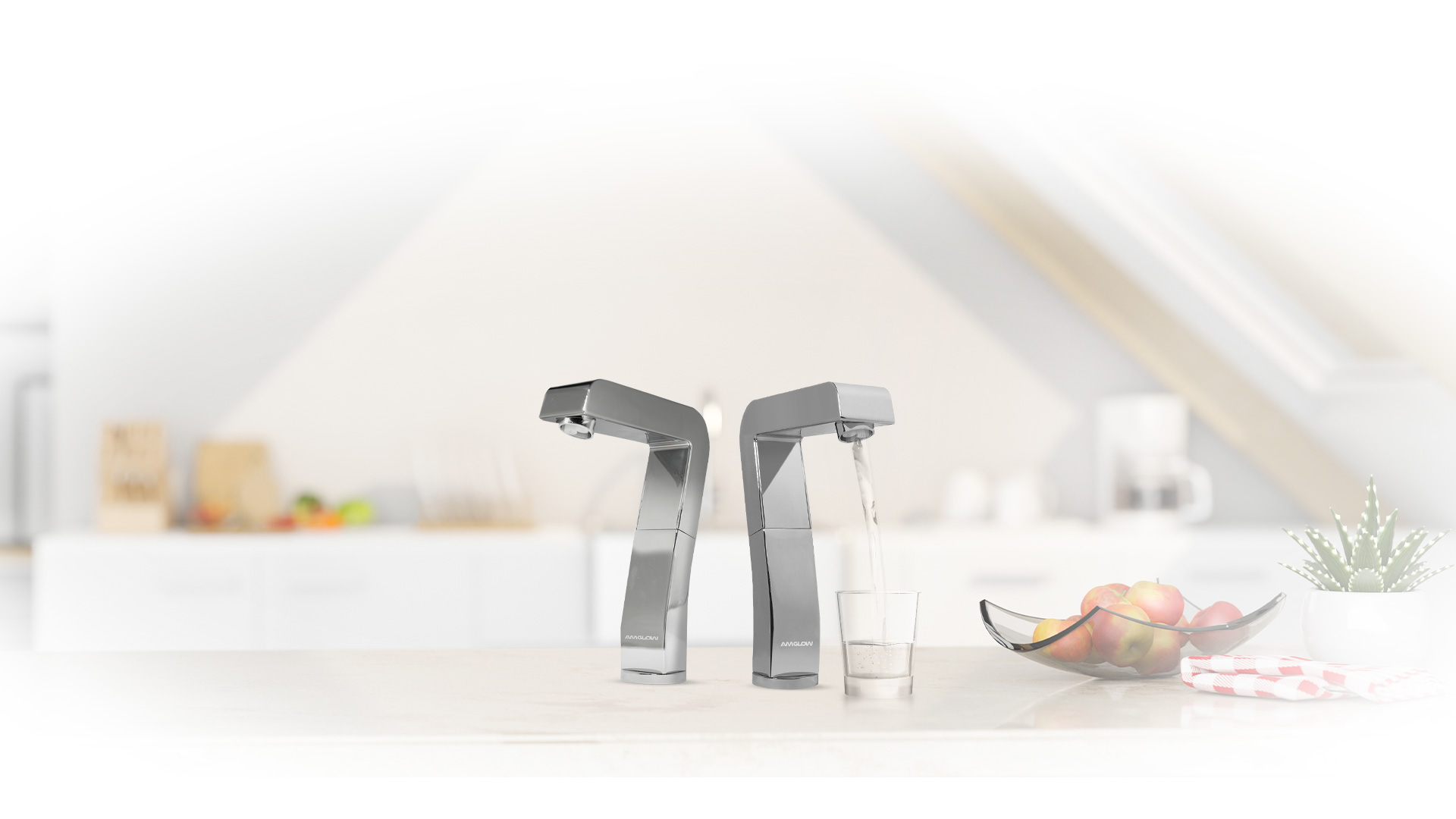
A water purifier dispenser functions as a standalone countertop or wall-mounted device which purifies water through filtration and delivers it at your selected temperature of cold, room temperature, or hot.
It is different from a basic filter jug or tap filter. The system unites water filtration with distribution capabilities through its integrated design. You get clean, filtered water on demand without waiting.
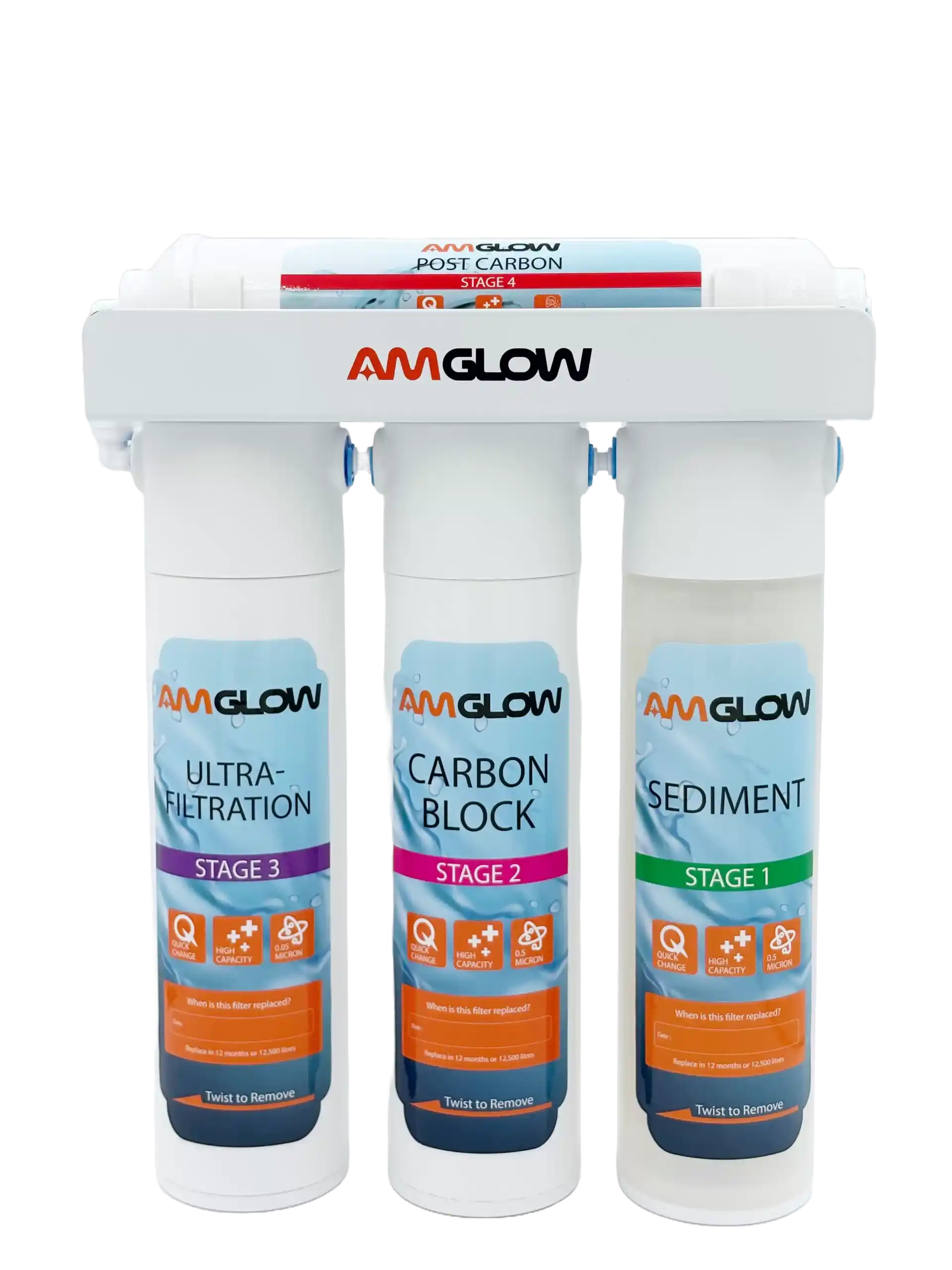
Most units in Singapore use multi-stage filtration. The system operates through multiple phases, which focus on removing different categories of pollutants.
What Does It Actually Remove From Your Water?
The section which most customers fail to consider during their water filter system purchase becomes the first stage of this process.
Here is what a quality water purifier dispenser typically removes:
- Chlorine and chloramines (added during water treatment)
- Heavy metals like lead, mercury, and cadmium
- Sediment, rust, and visible particles
- Bacteria and certain viruses (depending on filter type)
- Volatile organic compounds (VOCs)
- Unpleasant odours and taste
Chlorine represents the primary concern which affects the water supply in Singapore.
How the Filtration Stages Work
Safe drinking water requires multiple filtration stages to achieve both cleanliness and safety standards.
Stage 1: Sediment Filter
The first layer captures visible contaminants, which include dust, rust and sand particles. The system operates at maximum efficiency because this stage prevents filter blockages, which would otherwise occur in the following filtration stages.
Stage 2: Activated Carbon Filter
The system eliminates chlorine while also getting rid of bad taste and odour in the water supply. The water becomes more drinkable because activated carbon removes impurities through its adsorption process, which produces better-tasting water.
Stage 3: Ultrafiltration or RO Membrane
The UF process eliminates bacteria together with all particles which exceed its size threshold, but RO membranes remove dissolved salts, heavy metals and certain viruses from the water.
Stage 4: Post Carbon or Mineral Filter
The final stage uses water polishing techniques to improve flavour, while minerals such as calcium and magnesium
Health Benefits of Using a Water Purifier Dispenser
Using a water purifier dispenser doesn’t just improve water quality—it directly benefits your health. Clean, filtered water supports hydration, wellness, and everyday energy.
Cleaner, Safer Water
Filtration removes harmful chemicals, bacteria, and other microbes. This reduces the risk of waterborne illnesses.
- Removes chlorine and heavy metals
- Kills bacteria and viruses
- Reduces exposure to pesticides and chemicals
Better Taste and Smell
Filtered water tastes fresher and smells cleaner, making it more enjoyable to drink.
- Eliminates unpleasant odours
- Removes sediments and organic matter
- Enhances the natural flavour of water
Supports Daily Hydration
Easy availability ensures consistent water consumption, enhancing general well-being.
- Improves digestion
- Increases skin hydration and tone
- Enhances energy levels and focus
Maintains Essential Minerals
Some dispensers replenish important minerals filtered out in the process of purification.
- Provides calcium and magnesium
- Maintains good bone and heart health
- Electrolyte Maintenance
Why Singapore Homes Benefit From a Water Filter Dispenser
Singapore’s tap water is technically safe to drink. But safe and ideal are two different things.
The pipes in older HDB flats and condominiums can affect water quality. Lead and rust from ageing pipes can leach into water before it reaches your tap. A water filter dispenser in Singapore catches these before you drink.
Beyond safety, there is comfort. Filtered water simply tastes better. When water tastes clean, people drink more of it. That matters for hydration, especially in Singapore’s heat.
There is also the cost factor. Bottled water adds up fast. A water filter system pays for itself within months when you stop buying bottles.
Choosing the Right Water Purifier Dispenser in Singapore
You can select a water purifier dispenser which delivers safe water with excellent taste quality to your residence and workplace.
Filter Type
RO systems provide the deepest purification, removing dissolved salts and heavy metals. UF is sufficient for Singapore’s treated water, filtering bacteria and larger particles.
Filter Lifespan and Cost
Check how often filters need replacing and their cost. The system operates at its highest efficiency when maintenance activities protect water sources from becoming unsafe.
Tank vs Tankless
Tankless units heat and cool water on demand, reducing the risk of bacterial growth. The storage of water in tank systems enables immediate access, but operators must perform thorough cleaning to maintain them.
Certifications
Look for NSF or WQA-certified filters. Independent testing ensures the system meets strict safety and performance standards.
Capacity
Consider household size and daily water usage. A family of four will benefit from a unit with a larger cold water tank and faster flow rate, especially during warm months.
Maintenance Tips for Optimal Water Quality
Regular maintenance is key to keeping your water purifier dispenser performing at its best. Proper care ensures safe, fresh-tasting water every day.
- Replace Filters on Schedule: Follow the manufacturer’s recommendations for filter changes to maintain effective purification.
- Clean Storage Tank & Exterior: Regular cleaning prevents biofilm and bacterial buildup.
- Flush After Inactivity: Run water through the system after periods of non-use to remove stagnant water.
- Check Installation: Proper setup prevents leaks, contamination, and reduces strain on the system.
- Monitor Water Quality: Keep an eye on taste, odour, and flow rate to catch issues early.
Conclusion
A water purifier dispenser operates as a health investment which provides users with more than simple convenience. The system enables users to access clean water immediately through its water purification system. The water filter dispenser provides reliable water quality protection for residential and commercial spaces in Singapore because different areas experience different water quality issues.
Users need to evaluate their system requirements by checking capacity needs, filtration system options and ongoing maintenance costs. The system produces safe drinking water through its installed system, which needs regular maintenance to support human health and daily living requirements.
FAQs
How often should I replace a water purifier dispenser filter?
Filter replacement depends on the type of system and usage. Water purification systems require carbon filter replacements every three to six months, but RO membranes continue to function for two to three years. UV bulbs need replacement once per year to keep the sterilisation process at its peak efficiency.
Is a water filter dispenser better than bottled water?
Yes. Water filter dispensers provide consistent, high-quality water straight from the tap. The system filters out contaminants which bottled water fails to eliminate, while it also decreases plastic container usage and provides financial advantages for customers through continuous usage.
Can a water purifier dispenser remove all contaminants?
Most dispensers remove bacteria, viruses, chemicals, sediments, and unpleasant odours. The reverse osmosis (RO) system functions as the most complete solution because it removes both dissolved salts and heavy metal contaminants from water.
Do water filter dispensers require electricity?
System operation depends on the specific design of each system. The UV and RO dispensers require electrical power to operate their sterilisation and pressure systems, but the basic carbon filter dispensers do not need any power to function. Tankless systems with on-demand heating or cooling also require energy, whereas basic units remain energy-efficient.