

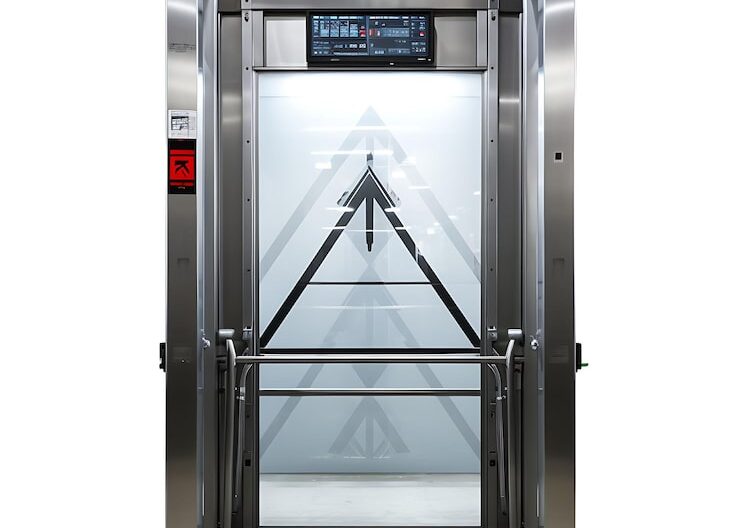
A vertical platform lift is an open or enclosed lifting unit that moves a wheelchair user between floor levels without requiring a full elevator shaft. It supports wheelchair accessibility in homes, commercial buildings, and public spaces. Key features to evaluate include platform size, load capacity, safety sensors, weather resistance, and compliance with local building codes.
Moving from one level to another is only one aspect of choosing the right accessibility elevator. For wheelchair users, caretakers, and building owners in Singapore, the decision directly affects daily independence, safety, and long-term value. This guide covers the most important factors to consider before making that choice.
What Is a Vertical Platform Lift?
A motorized platform that moves straight up and down between two or more levels is called a vertical platform lift (VPL). It fits the full wheelchair, unlike a staircase lift, so no transfers are required. Although longer-travel varieties are available, it often operates over a journey distance of up to three meters and can be mounted both indoors and outdoors.
VPLs are commonly used in:
- Residential homes with split-level layouts
- Commercial shopfronts with entrance steps
- Schools, clinics, and community centres
- Heritage buildings where full elevator installation is not feasible
Platform Size and Weight Capacity
When selecting a wheelchair lift, this is the first place to look. A caregiver, if needed, and a standard or powered wheelchair must be able to fit comfortably on the platform. Standard platforms begin at 800 x 1200 mm, though bigger configurations are available for bariatric wheelchairs or attendant-assisted use.
A typical weight range is 250–400 kg. If the lift will be used mostly with powered wheelchairs, which can weigh between 100 and 150 kg on their own, make sure the rated capacity accounts for both the chair and the passenger. Always confirm the manufacturer’s rated dynamic load in addition to the static load figure.
Key Safety Features to Look For
Anti-Slip Platform Surface
Particularly for outdoor installations in Singapore’s humid climate, the platform floor must offer traction in all weather circumstances. To keep the wheelchair from rolling while in transit, look for rubberized or textured aluminum surfaces.
Edge Guards and Safety Ramps
When the platform is level with the floor, automatic edge barriers retract; when the platform is moving, they deploy. The entry point’s folding ramps allow for seamless wheelchair boarding without sudden adjustments for users with spinal injuries or poor upper body control.
Emergency Stop and Obstruction Sensors
A quality accessibility lift should include obstruction detection beneath the platform. If something blocks the path of descent, the lift stops immediately. A manual lowering option and emergency stop button are non-negotiable features, particularly in buildings with elderly or unsupervised users.
Enclosed vs. Open Platform Design
Enclosed cabins offer weather protection and are better suited for outdoor use or travel heights above 1.5 metres. Open platform designs work well for short indoor lifts and are less visually intrusive. For Singapore’s outdoor conditions — rain, heat, and humidity — an enclosed model with weatherproofing is generally recommended.
Drive Systems: Which One Is Right for Your Application?
Vertical platform lifts use one of three main drive systems. Each has practical trade-offs depending on the installation site.
| Drive Type | Best For | Considerations |
|---|---|---|
| Hydraulic | Smooth travel, heavier loads | Requires fluid maintenance, slower speeds |
| Screw-driven | Quiet operation, compact footprint | Moderate speed, suitable for short travel |
| Chain/Cable | Longer travel distances | Regular tension checks needed |
For most residential and light commercial applications in Singapore, screw-driven systems offer a reliable balance of noise level, maintenance requirements, and platform stability.
Compliance With Singapore Accessibility Standards
Building owners must ensure their chosen lift meets the Code on Accessibility in the Built Environment published by the Building and Construction Authority (BCA) of Singapore. The BCA Code outlines minimum platform dimensions, door widths, control heights, and safety specifications that apply to both new builds and renovations.
Under the Barrier-Free Accessibility (BFA) guidelines, new commercial buildings and certain categories of existing buildings undergoing major additions and alterations are required to provide accessible vertical access. Selecting a lift that is pre-certified or tested to meet these standards avoids costly retrofits later.
Controls and Ease of Use for Independent Operation
A wheelchair accessibility solution is only effective if the user can operate it independently. Look for these control features:
- Large, tactile buttons positioned within reach of a seated user (typically 900–1200mm from the platform floor)
- Key-switch activation to prevent unauthorised use in semi-public settings
- Call-send controls at both levels so the lift can be recalled from either floor
- Low operating force — no more than 25N is recommended for users with limited hand strength
Some modern models also include remote controls or smart integration, which is useful in facilities where staff manage multiple access points.
Installation Footprint and Structural Requirements
Unlike a full passenger elevator, a vertical platform lift requires minimal structural work. Most models do not need a pit or a machine room. However, the floor must be able to bear the combined load of the lift, user, and wheelchair. For travel heights above 2 metres, a surrounding enclosure or hoistway may be required under local building regulations.
Always request a site survey before confirming specifications. Factors like ceiling clearance, available floor area, and existing structural elements will influence the final configuration.
Maintenance and Long-Term Reliability
A lift that breaks down frequently is more than an inconvenience — it can leave a wheelchair user stranded. When evaluating suppliers, ask specifically about:
- Recommended service intervals (typically every 6–12 months)
- Local availability of spare parts
- Response time for emergency callouts
- Warranty terms covering both parts and labour
Lifts installed in Singapore must also comply with the Workplace Safety and Health Act if installed in commercial premises, which includes periodic inspection requirements.
Making the Right Choice for Your Needs
The right vertical platform lift depends on who will use it, how often, and where it will be installed. Caregivers should prioritise ease of operation and safety overrides. Building owners must consider compliance, aesthetics, and durability. Wheelchair users benefit most from platform size, smooth boarding, and reliable independent operation.
Asiateck offers a range of vertical platform lift solutions designed for residential and commercial wheelchair accessibility needs in Singapore. For tailored guidance on specifications, installation, and compliance, reaching out to a specialist with local product knowledge is the most reliable way to make a well-informed decision. Visit the Asiateck homepage to explore their full range of lift and accessibility solutions.
Frequently Asked Questions
What is the difference between a vertical platform lift and a stairlift?
A vertical platform lift can be used to carry a wheelchair user and their chair straight up or down between levels. To move a sitting person along a staircase rail, a stairlift user must exit their wheelchair. The greatest choice for full wheelchair accessibility is a vertical platform lift.
Does a vertical platform lift require a building permit in Singapore?
Yes, the majority of the time. Installations in commercial buildings typically require approval, per BCA standards. Permission may also be needed for residential installations, depending on the necessary building modifications. Consult a reputable lift provider or a licensed professional engineer before starting any installation.
What is the standard weight capacity of a wheelchair lift?
The majority of vertical platform lifts have a weight rating of 250–400 kg. The total weight of the user and the wheelchair must be within the rated capacity because powered wheelchairs can weigh up to 150 kg. Before choosing a model, always check the dynamic load rating with the manufacturer.
Can a vertical platform lift be installed outdoors in Singapore?
Indeed, a lot of versions are made for outdoor use. Select an enclosed platform with weatherproof materials, corrosion-resistant parts, and an IP-rated motor enclosure for Singapore’s climate. In order to manage severe rain, outdoor installations should also have drainage systems and non-slip flooring.
How often does a vertical platform lift need to be serviced?
Most manufacturers recommend servicing every 6 to 12 months. Commercial installations in Singapore may also be subject to periodic inspections under workplace safety regulations. Regular maintenance checks covering drive mechanisms, safety sensors, and electrical systems ensure reliable, long-term operation.
What platform size do I need for a powered wheelchair?
Powered wheelchairs typically require a platform of at least 900mm x 1400mm. Measure your specific chair’s width and length, then add a minimum clearance of 50–100mm on each side. If a caregiver will accompany the user, a larger platform configuration is strongly recommended.