


What Is a Chinese Custom Funeral
Farewell is always a sound way to go through tough moments. For those situations, every small thing or effort can matter. During such a hard time, families gather with heavy hearts to show their love for the whom passed away. A Chinese custom funeral does more than mark the end of a life; it wraps the deceased in honour, love, or spiritual care. Old rituals are purposed with the belief of this, that the soul will get relief in grief.
These traditions have been followed for centuries, it still have the same meanings. No matter whether you are attending it for the first time or you are planning it for a loved one, knowing the culture or rules of it can help you to show up with respect or grace. This guide walks you through the key customs so you feel prepared or confident.
What Families Do Before the Ceremony Begins
Before the ceremony begins, families complete several important steps. Therefore, each step holds its own meaning or purpose as they go with the funeral company in Singapore.
Washing or Dressing the Body
Family members wash the body with great care. They dress the deceased in clean, formal clothing, often in dark or muted colours. White or black fill these occasions, as they carry mourning in Chinese culture. Families keep red clothing away, as red belongs to celebration or joy.
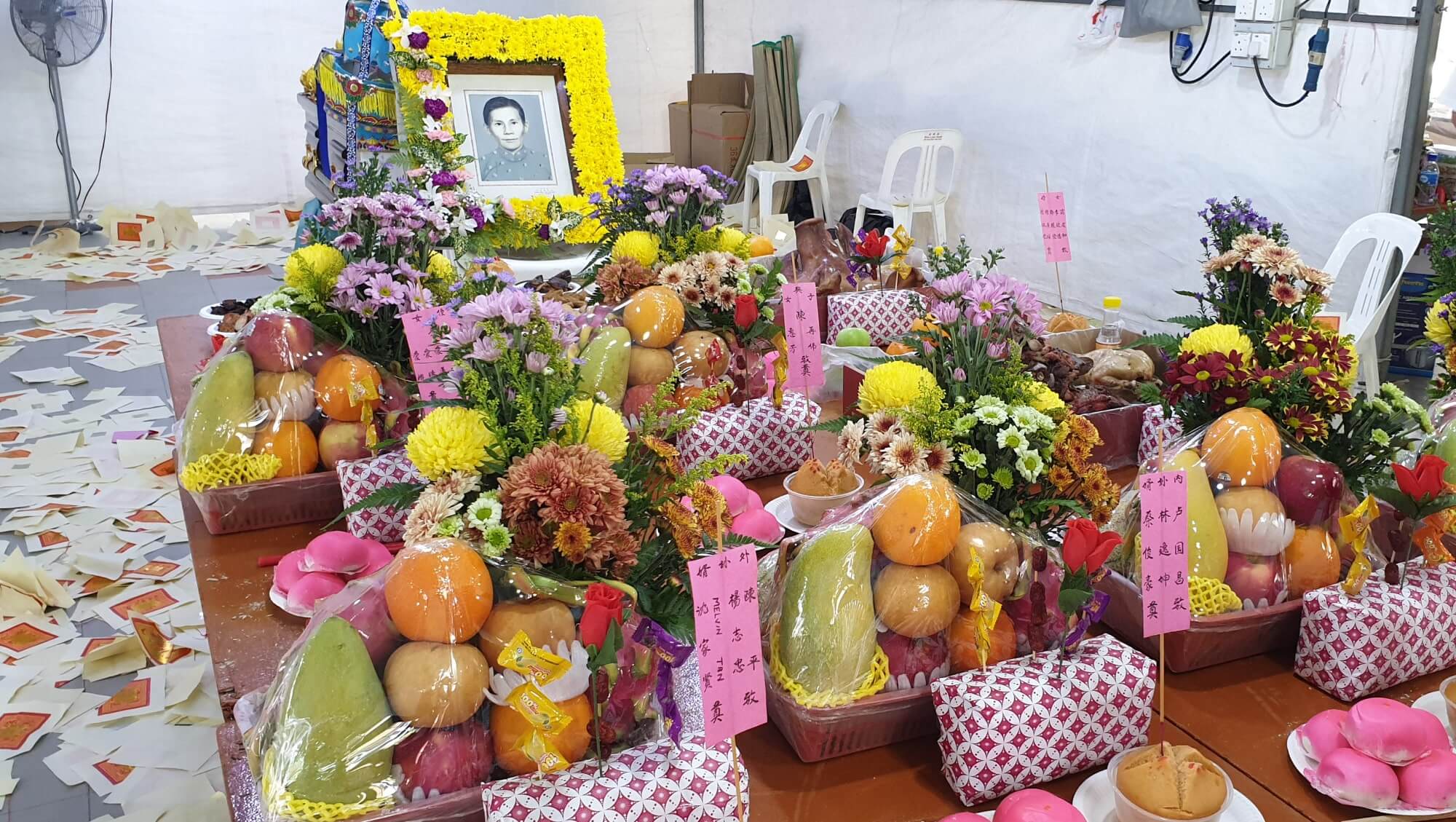
Setting Up the Altar
Families build a home altar near the body. They gather:
- A framed photo of the deceased
- Incense sticks for spiritual communication
- Offerings of food or drink
- Paper money or goods for burning later
- Fresh flowers as a mark of respect
The altar anchors the mourning space throughout the entire ceremony.
Funeral Rituals Families Follow
Chinese funeral rituals flow in a clear order. Each ritual stitches the living together with the deceased.
Burning of Offerings
Families burn paper items such as money, clothes, or even paper houses. They trust that these items reach the deceased in the afterlife. So, this act wraps grieving family members in comfort.
Prayers or Chanting
Monks or priests lead the prayers. They chant sutras to shepherd the soul or bring peace. Family members join in or stand in silence as a sign of deep respect.
Wearing Mourning Attire
Each family member wears specific colours based on their relationship with the deceased:
- Children or close relatives wear white or black
- Grandchildren may wear blue
- Great-grandchildren may wear green
This colour system mirrors the family’s bond or depth of grief.
The Wake: A Time for Gathering
The wake stretches across one to three nights. Families or friends gather to pay their respects. Therefore, this period opens a space for everyone to share memories or lift one another.
What Happens During the Wake?
- Visitors bow three times before the altar
- They offer incense sticks as a gesture of respect
- Close family members keep vigil through the night
- Guests avoid wearing bright colours out of respect
Families welcome visitors with warmth. Food or drinks flow freely, as hospitality sits at the heart of Chinese culture.
The Funeral Procession
On the day of burial or cremation, a formal procession moves forward. It travels from the home or funeral hall to the final resting place.
Sounds or Symbols During the Procession
A traditional procession carries:
- Live music or recorded hymns to shepherd the soul
- White banners or flags held by family members
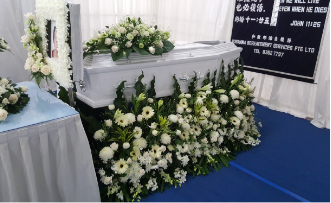
- A hearse draped with flowers
The procession opens a door for the community to show final respect. So it marks a clear shift from life to the next journey.
Burial vs Cremation: What Do Families Choose?
Both burial or cremation sit within Chinese customs. The choice springs from family preference, religious belief, or practical needs.
Burial Traditions
Families pick a burial plot guided by feng shui principles. The grave’s position must pull good energy toward the family. A geomancer, a feng shui expert often steers this choice.
Cremation Traditions
Cremation has grown more common in modern times, especially in cities. After cremation, families nestle the ashes in an urn. They then settle the urn in a columbarium or scatter the ashes at sea.
Post-Funeral Rituals That Matter
The mourning period does not close with the burial or cremation. Chinese funeral rituals stretch on for days or even months after the ceremony.
The 49-Day Mourning Period
Many families honour a 49-day mourning period. During this time:
- Step away from celebrations such as weddings or parties
- They burn offerings on specific days
- They visit the grave or columbarium to pay respects
This period allows the soul to complete its journey to the afterlife.
The 100th Day or Death Anniversary
The rituals can not be stopped after passing someone. Families can gather after the 100 days of passing on to show their love for them, also remembering them. It can also be called the first death anniversary. In this, they do prayers or offer things to their loved ones. These gatherings keep the memory of the deceased alive or close. For that reason, people mostly prefer the trusted funeral company in Singapore.
Common Dos or Don’ts at a Chinese Funeral
Knowing the right behaviour helps you show genuine respect.
Do:
- Dress in white, black, or dark colours
- Bow before the altar
- Offer incense with both hands
- Stay quiet or speak softly
Don’t:
- Reach for red or bright colours
- Laugh or speak loudly
- Bring flowers in red or yellow, these colours belong to celebration
- Slip away without saying goodbye to the family
Why These Traditions Still Matter Today
Many families across Singapore or the world still carry these funeral rituals forward. These traditions weave bridges between generations or remind us that death holds dignity, not just grief.
Reasons These Customs Remain Important
- Anchors younger generations to cultural roots
- Hands structure during painful, overwhelming moments
- Deepens family bonds through shared rituals
- Keeps the memory of loved ones burning bright
Final Thoughts
This hard moment connects every family differently, so it is also called a time of sharing and understanding each other. A Chinese custom funeral breathes structure into one of life’s hardest experiences.
This moment shapes such a tough time into a meaningful one, or performs such a ceremony
Each ritual offers that moves forward to the final procession along with silences, which directly spoken by hearts. It doesn’t matter that you are a planner or standing as a guest; these traditions provide a clear path to follow. Honour the moment, lean into the customs, or trust that every small gesture you make holds great meaning for those who grieve.
FAQs
Q1. How long does a Chinese funeral usually last?
A Chinese funeral typically runs between three to seven days. The length springs from family preference, religious beliefs, or the rituals the family chooses to weave into the mourning period.
Q2. What should guests wear to a Chinese funeral?
Guests should reach for white, black, or dark colours. Step away from bright shades like red or yellow. These colours belong to celebration or clash with the respectful, quiet atmosphere a funeral holds.
Q3. Can non-Chinese guests attend a Chinese funeral?
Yes, non-Chinese guests are welcome to step in or pay respects. Simply dress respectfully, bow before the altar, or offer incense with both hands. Following basic etiquette shows the family you genuinely care or honour their customs.
Q4. What gifts or offerings should guests bring?
Guests often carry white flower wreaths or white envelopes with money tucked inside. Steer away from gifts in bright colours or patterns. These small gestures wrap the grieving family in support or comfort during a difficult time.
