

Big buildings and factories need cool air to keep machines safe and people happy. A reliable industrial chiller pulls heat away and keeps places fresh and cool. These strong machines help factories, hotels, malls, and offices stay safe during hot days. Heat can harm machines and slow work, but chillers chase it out fast.
Many businesses now use smart cooling tools because they save energy and help work move well. Large buildings need strong cooling plans to battle rising heat. This guide explains how chillers work, where they fit, and why they matter in busy places.
What Is An Industrial Chiller?
An industrial chiller cools water or liquid and sends it through pipes to sweep heat away from machines, rooms, or work areas. These cooling systems guard machines from damage and help businesses run each day without trouble. Factories, hospitals, food plants, and office towers often depend on chillers for cooling support. Most chillers carry four main parts. These parts include a compressor, condenser, evaporator, and expansion valve. Each part joins the cooling cycle and pushes heat outside. As this cycle spins, the building stays cool and safe.
Many industries choose chillers because they tackle large cooling jobs with strength and speed. Small cooling tools may struggle during heavy work, but chillers handle large spaces with ease.
How Chillers Help Modern Buildings
Modern buildings generate significant heat from lights, machines, computers, and large crowds of people. Chillers snatch this heat away and help buildings stay calm and fresh. Offices use chillers to cool meeting rooms, while factories use them to shield machines from overheating. Cooling systems also protect food in restaurants and food plants. Cold air keeps food fresh and safe for longer periods. Hospitals also need steady cooling because medical machines release heat during long hours of work.
As cities grow bigger, buildings need stronger cooling tools to fight rising heat. Chillers answer this need with steady cooling power and long life.
Main Types of Chillers
Different places need different cooling systems. Each chiller suits a certain job or building. Learning about these systems helps businesses pick the right cooling tool.
1. Air-Cooled Chillers
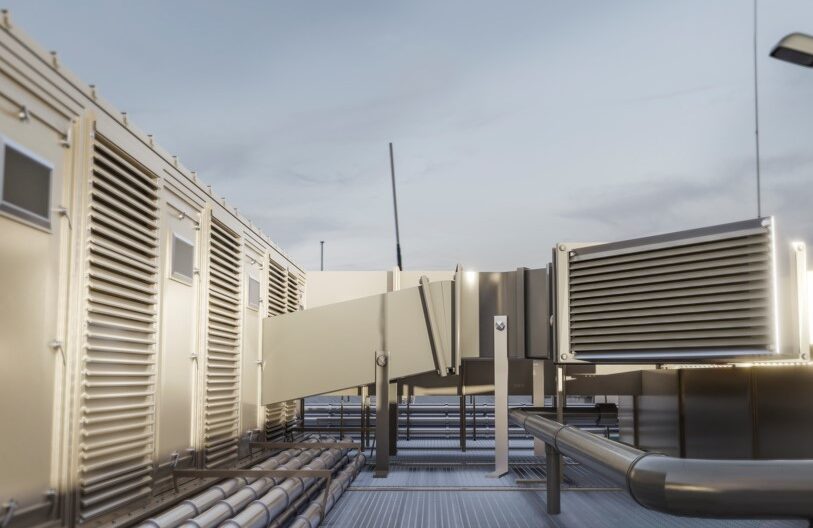
Air-cooled chillers throw heat outside through fans. These systems fit outdoor spaces and work well in open areas. Many office buildings choose this type because the setup stays simple and cleaning takes less effort.
These chillers also save water because they cool through moving air instead of water flow. Many businesses install them in places with less water supply.
2. Water-Cooled Chillers
Water-cooled systems wash heat away through water towers. These units serve large factories and malls because they handle huge cooling loads with ease. Although these systems need more space, they deliver strong cooling support for heavy work.
Large facilities often pick these units because they keep cooling during long work hours without slowing down.
3. Portable Chillers
Portable chillers roll from one place to another with ease. Small factories and workshops use them for short cooling jobs or changing workspaces. These systems suit businesses that need flexible cooling help.
Why Businesses Need Strong Cooling Systems
Commercial cooling systems help businesses shield machines, products, and workers from heat damage. Heat can slow machines, spoil products, and create unsafe work areas. Strong cooling systems stop these problems before they grow.
- Factories use cooling systems to keep machines at safe temperatures. Hotels rely on cooling tools to keep guests comfortable during warm weather.
- Data centres also depend on steady cooling because computer servers create a lot of heat each hour.
- Without proper cooling, businesses may face broken machines, damaged products, or stopped work.
Reliable cooling systems guard against these troubles and help the daily workflow without delay.
Key Benefits of Chillers
Businesses choose chillers because these systems bring many long-term rewards.
1. Energy Savings
Modern chillers use smart controls and strong designs to cut energy waste. Lower energy use helps buildings shrink running costs and support cleaner operations.
2. Equipment Protection
Machines create heat during long work hours. Chillers sweep this heat away and help equipment last longer. As a result, businesses avoid costly repairs and long delays.
3. Better Comfort
Cool workspaces help staff stay focused and comfortable. Customers also enjoy pleasant indoor temperatures while shopping, eating, or working.
4. Stable Performance
An industrial chiller delivers steady cooling throughout the day. This strong performance helps factories and large buildings keep work running smoothly during busy hours.
Industries That Use Chillers
Many industries depend on chillers because heat affects daily work in different ways.
1. Manufacturing Plants
Machines in factories create a lot of heat during production. Chillers protect these machines and support smooth manufacturing work.
2. Food And Beverage Industry
Food plants need cool temperatures to keep products fresh and safe. Chillers support food storage, processing, and packing areas.
3. Medical Facilities
Hospitals and laboratories use chillers to cool medical equipment and maintain clean indoor spaces. Stable temperatures also protect medicines and research tools.
4. Commercial Buildings
Shopping centres, office towers, and hotels use commercial cooling systems to make indoor spaces pleasant for workers and visitors.
How To Choose The Right Chiller
Choosing the right cooling system depends on building size, cooling needs, and available space. Businesses should study daily work before picking a unit. Large buildings often need stronger systems because they create more heat. Smaller businesses may prefer compact systems that fit small spaces. Energy use also matters because efficient systems lower long-term costs.
Cleaning and servicing should also guide the choice. Some systems need regular water care, while others need simple fan cleaning. A business should choose a system that matches its budget and work style.
Maintenance Tips For Long System Life
Good maintenance helps chillers run with strength and reliability for many years. Regular care also reduces sudden breakdowns.
-
Clean Filters And Fans
Dust blocks airflow and weakens cooling power. Clean filters and fans help systems move air with ease.
-
Check Water Levels
Water-cooled systems need proper water flow for smooth work. Low water levels can weaken cooling strength.
-
Inspect Pipes and Connections
Leaks can waste energy and harm equipment. Regular inspections help businesses spot trouble early.
-
Schedule Professional Servicing
Expert technicians can inspect compressors, controls, and cooling parts for hidden damage. Regular servicing keeps systems strong and dependable.
Future Trends in Cooling Technology
Cooling technology keeps changing as businesses search for smarter and cleaner solutions. Many modern systems now use digital controls that track temperature and energy use in real time. New systems also focus on lower energy use and cleaner operation. Businesses now seek eco-friendly designs that balance strong cooling with reduced waste.
Commercial cooling systems may soon carry more smart sensors and automatic controls that improve cooling speed and reduce energy waste. These changes may help businesses lower costs and support safer workspaces.
Conclusion
Cooling systems shape the safety and comfort of modern buildings every day. From factories to hotels, chillers protect machines, support workers, and help businesses maintain smooth operations. A strong cooling system also reduces equipment stress and supports better energy use across large spaces.
Businesses that choose the right cooling solution can avoid heat damage, lower repair costs, and create safer workspaces. An industrial chilling system stands as a strong tool for industries that depend on steady temperatures during long working hours. With proper care and smart planning, these systems can deliver dependable cooling support for many years.
FAQs
What Does An Industrial Chiller Do?
An industrial chilling system removes heat from water or liquid and helps cool machines, rooms, or large workspaces.
Where Do Businesses Use Commercial Cooling Systems?
Businesses use commercial chilling systems in factories, hospitals, malls, hotels, and office buildings.
How Long Does A Chiller Last?
A well-maintained chiller can work for many years because regular servicing helps protect important parts.
Why Does Chiller Maintenance Matter?
Maintenance keeps the system clean, prevents breakdowns, and helps the cooling unit run with strong performance.