



Many Malaysian offices face the same problems each day. Tasks pile up. Staff spend long hours on repeat steps. Files move from one team to another. People lose focus because the work feels slow. This is where Power Automate training steps in. It helps teams build simple flows that save time, reduce stress, and support smooth work. When staff know how to set up these flows, they gain control over work that once felt heavy.
This guide explains how training lifts office output, shapes teamwork, and supports long-term growth. It keeps the language clear and human. It also fits the needs of teams that want tools to help them move forward.
Why Workflow Automation Matters in Malaysia?
Workloads Keep Growing
Many Malaysian offices now run more tasks than before. Teams handle more data, more online forms, and more service requests. Staff try to cope, but repeating steps takes up time. Automation helps reduce these slow points.
Digital Shifts Are Rising
More places are moving from manual work to digital systems. Many firms look for HRDF claimable programmes to support staff growth. With simple tools, workers learn skills that match this shift.
Teams Need Clear Processes
When work is not clear, staff get lost. Automation helps shape clear steps. This keeps the whole office on the same page.
How Power Automate Training Creates Real Change
1. Cuts Down Manual Work
Removes Repeat Steps
Many staff waste hours on small tasks. They move data from mail to sheets. They copy items from one system to another. They send the same reply to many people. With Power Automate training, they learn how to build flows that handle these steps. This cuts time loss and keeps people free for work that needs thought.
Reduces Errors
Manual steps often lead to mistakes. A wrong click or a missed row can cause trouble. When flows handle the steps, the chances of mistakes drop.
Keeps Work Moving
Tasks no longer wait for the right person to press a button. Once the flows run, work shifts from start to end without pause.
2. Improves Team Collaboration
Builds Shared Flows
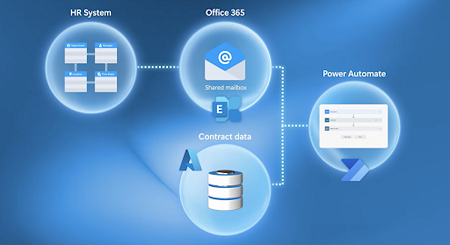
Teams can create flows that help each group. For example, HR can build forms that send data to payroll. Sales can send leads to the main system. When staff learn these skills, they build tools that connect teams.
Removes Miscommunication
Flows send updates, alerts, and reports at the right time. This keeps staff aware of what is done and what still needs attention.
Brings Structure
A clear process helps teams work in a neat way. This reduces confusion and shapes smoother days.
3. Helps Malaysian Offices Move Faster
Speeds Up Daily Work
Once flows take over, staff spend less time on slow tasks. This lifts response time and boosts overall output.
Shapes Better Customer Support
Many firms in Malaysia use flows to reply to customers, log cases, or track forms. With training, staff can build flows that serve customers with fewer delays.
Supports Growth
As the office grows, flows can scale. Staff can build new flows or adjust old ones without long waits.
4. Encourages Skill Growth in the Workplace
Helps Staff Feel Confident
When staff learn to build flows, they gain a new skill. They also feel more in control of their work. This helps with job growth and confidence.
Fits HR Development Plans
Many firms look for HRDF claimable courses to train staff. When they choose Power Automate training, they support growth that brings clear results in the office.
Supports Future Roles
Digital tools keep rising in Malaysia. Staff who learn these skills fit better into new roles and tasks.
5. Supports Data and Document Management
Moves Files With Ease
Flows can save files, rename them, move them, or sort them. Staff no longer spend time searching for lost items.
Helps With Data Entry
Many offices enter data into sheets or systems. A simple flow can handle these steps. This keeps the data clean and organised.
Builds Clear Records
Flows can create logs that show each step. This helps during audits or checks.
6. Improves Decision-Making
Sends Useful Reports
A team can build flows that send daily or weekly reports. This helps leaders see patterns and make plans.
Tracks Progress
Flows track tasks that move through different teams. This gives leaders a clear view of what is done.
Alerts When Issues Come Up
If a step stops or a form fails, the flow can alert the right person. This helps fix issues before they grow.
7. Reduces Stress Across the Office
Gives Staff Breathing Room
Once flows take over simple tasks, staff feel less pressure. They get more space to focus on harder work.
Reduces Rework
With fewer errors, staff spend less time fixing mistakes. This shapes calmer days.
Creates a Sense of Order
Automation sets a rhythm in the office. Staff know what to expect and when.
8. Helps New Staff Fit In
New Staff Learn Faster
Flows guide tasks step by step. This helps new staff settle in without stress. They can follow the pattern even if they lack deep knowledge.
Reduces Training Time
Managers spend less time teaching repeat steps. New staff learn the system through simple flows.
Creates Consistent Output
Even when teams change, work stays steady. Flows keep the quality the same.
9. Supports Compliance Needs
Builds Clear Trails
Flows save steps and records. This helps meet rules in sectors like finance, service, and care.
Helps With Data Protection
Flows can limit who gets access to certain items. This protects sensitive details.
Keeps Work in Line With Rules
Once a flow is set, each task follows the same steps. This reduces the risk of rule breaks.
10. Makes Office Systems Work Better Together
Connects Many Tools
Flows can link mail, sheets, forms, and other apps. This removes gaps in the office.
Cuts Double Entry
Staff no longer enter the same data twice. Once in place, the flow handles this part.
Helps With System Changes
When the office upgrades tools, flows make the shift easier.
How Malaysian Teams Use Power Automate in Real Work
1. HR Teams
HR teams set flows to track forms, leave requests, and staff records. Flows route each form to the right person.
2. Finance Teams
Finance teams set flows to process invoices, match records, and create reports.
3. Sales Teams
Sales teams use flows to log leads, send follow-up notes, and track customer details.
4. Admin Teams
Admin teams handle mail sorting, file storage, and meeting alerts with simple flows.
Conclusion
Workflow automation helps Malaysian offices move with less stress and more clarity. When teams invest in Power Automate training, they gain the skill to build flows that support daily tasks, remove delays, and lift output across the whole office. When paired with HRDF claimable support, training becomes a smart move for any firm that wants steady growth. Many teams choose Ted Learning for this step because they offer strong guidance and clear paths that help staff pick up real skills with ease.
FAQs
1. Is power automate hard to learn?
No, most people pick it up fast once they join proper training. The steps are clear, and the tools feel easy to use after some practice.
2. Can power automate work with the tools we use now?
Yes, it links with many common apps used in Malaysian offices. This makes it easy to build flows that fit your daily work.
3. Is the training worth it for small teams?
Yes, even small teams gain a lot. Simple flows save time, cut errors, and help staff focus on more important tasks.