


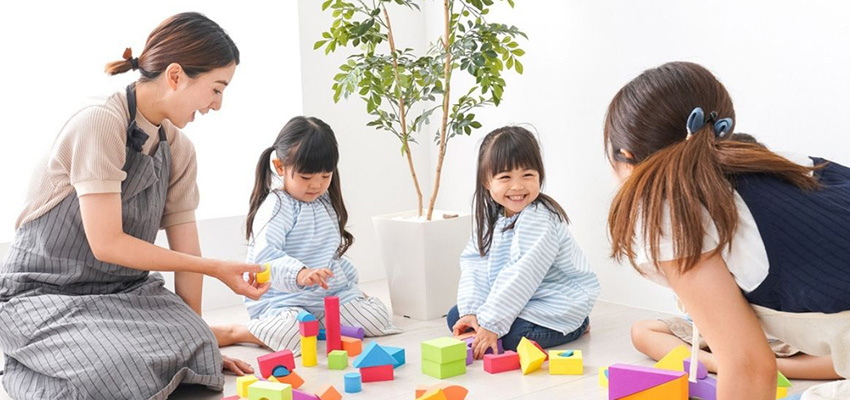
Parents often seek simple ways to guide early learning or shape strong habits. The early years help children build thinking, language, to social skills. In Singapore, preschool enrichment programs help children grow through guided, playful learning. Many parents explore trusted centres such as Heguru Singapore to support this journey. Therefore, each child learns differently, so careful choice matters. When parents understand what to look for, they can choose classes that suit their child’s pace or interests while keeping learning fun.
Table of Contents
|
Why Enrichment Matters in Early Years
Children grow at a fast pace during preschool years. Therefore, their brains form links through play, talk, or movement, and enrichment deepens this growth.
Key Benefits
- Even builds strong language or thinking skills.
- While it sharpens focus or memory.
- Even strengthens social skills through group tasks.
Moreover, these classes open doors to new interests. While they also lift confidence in a safe space.
Early Brain Development or Learning
Young children build strong brain links through repeated actions. When they sing, draw, or solve simple tasks, they shape key pathways. Therefore, these pathways support future learning. In addition, early exposure to guided activities helps children stay focused. In short, it also prepares them for school life.
Types of Classes Available
Singapore offers many options. In short, each type serves a clear purpose. Therefore, parents should match the class to the child’s needs.
Academic-Based Learning
These enrichment classes for preschoolers focus on reading, writing, or numbers. While they prepare children for primary school.
- Phonics or reading skills.
- Basic maths concepts.
- Early writing practice.
Creative Development
Creative classes ignite imagination. Therefore, they help children express thoughts in fresh ways.
- Art or craft.
- Music or rhythm.
- Storytelling sessions.
Physical or Movement Skills
Movement classes build coordination or strength.
- Dance or basic gymnastics.
- Sports-based activities.
- Balance or motor skills training.
Social or Life Skills
These classes shape how children interact or adjust.
- Group play sessions.
- Role-play activities.
- Communication exercises.
As a result, children learn to share, listen, or respond.
How to Choose the Right Programme
Parents often feel unsure when they pick a class. Yet, a few simple steps can guide the choice.
What to Look For
- A clear learning goal.
- Age-appropriate activities.
- Small group sizes.
In addition, watch how teachers guide children. While strong guidance builds trust or comfort.
Match Your Child’s Needs
Every child learns uniquely. As well as, some enjoy numbers, while others lean towards music or movement.
- Notice your child’s interests.
- Watch how they react to new tasks.
- Choose a class that fits their pace.
Therefore, avoid pushing a child into a class that feels hard or dull.
Understanding Your Child’s Learning Style
Each child absorbs information differently. At the same time, some learn through visuals, while others respond to sound or movement.
Common Learning Styles
- Visual learners prefer pictures or colours.
- Auditory learners respond to sounds or songs.
- Kinaesthetic learners learn through movement.
When parents spot these styles, they can choose better classes. As a result, learning feels smooth or enjoyable.
Signs of a Good Learning Experience
Not all enrichment classes for preschoolers bring real value. At the same time, parents should look for signs that show true progress.
| Area | Key Points |
| Positive Indicators | Children dive into activities with excitement and energy. |
| They show curiosity and stay engaged during class. | |
| They speak about what they learned with ease. | |
| They take on new tasks with courage and without fear. | |
| Stress or silence may signal that the class does not fit them. | |
| Teacher Interaction or Support | Teachers deliver clear and simple instructions. |
| Teachers cheer and support each child. | |
| Teachers adjust to different learning speeds. | |
| Parents should watch how teachers connect with children during sessions. |
Role of Parents in Enrichment
Parents shape how children respond to learning. While their support guides the overall experience.
How Parents Can Help
- Show interest in what the child learns.
- Talk about class activities at home.
- Praise effort instead of results.
Moreover, steady support builds confidence. In short, it also keeps children motivated.
Creating a Learning Environment at Home
A simple home setup can support enrichment.
- Keep books or art tools within reach.
- Set a daily routine.
- Create a calm or quiet space.
As a result, children continue learning at home.
Building Confidence Through Small Wins
Children gain confidence when they achieve small goals. Therefore, each success pushes them forward.
Ways to Build Confidence
- Celebrate small achievements.
- Encourage children to try again after mistakes.
- Offer gentle guidance.
As a result, children grow with a strong sense of self.
Final Thoughts
Early learning lays the base for a child’s future growth or confidence. The right support helps children explore, learn, or enjoy new skills with ease. In Singapore, preschool enrichment programs give clear ways to guide this growth in a balanced manner. Parents often turn to Heguru Singapore for a thoughtful approach to early education.
At the same time, keep learning light or engaging so children stay curious. If you want to learn more or explore suitable options, feel free to contact us for guidance.
Frequently Asked Questions
1. How many classes should a preschool child attend each week?
Children gain from a small number of sessions each week. One or two classes often suit them well. This keeps learning lively while leaving time for rest, play, or family moments.
2. How can parents know if a class suits their child?
Parents can watch how their child responds after each session. If the child smiles, shows interest, or talks about the class, it shows the class fits their needs or comfort.
3. At what age should a child start enrichment classes?
Children can begin around ages three to four, when they start to follow simple instructions. At this stage, they join group tasks or enjoy guided learning in a fun or structured setting.