

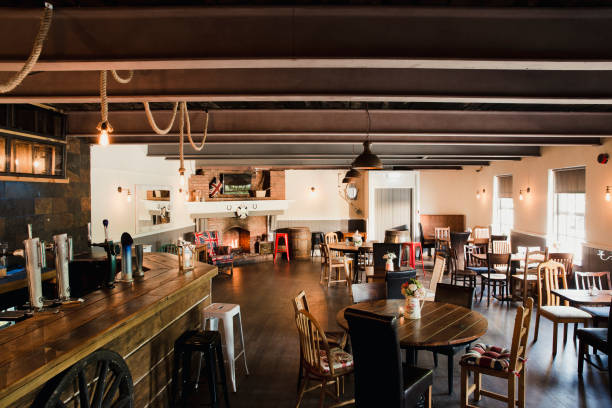
When you walk into a restaurant, what’s the first thing you notice? Before the food even reaches the table, the space sets the tone. The style, colours, furniture, and layout all play a part. A good restaurant interior design matches the food it serves. It tells the story of the menu through the space.
In this guide, we look at how different types of cuisine work best with different interior styles. If you’re planning a new place or updating an old one, this guide will help you find the right fit between food and design.
Why Interior Design Matters in F&B
A good restaurant isn’t just about food. It’s also about feeling. That’s where F&B design plays a key role. The right setting creates the right mood. It helps customers enjoy their visit, not just their meal.
Let’s say you’re serving traditional Italian dishes. A sleek, cold interior might not feel right. The space needs to reflect the heart of your kitchen. When food and design match, the whole experience feels better.
Now, let’s break it down by cuisine and see what works best.
Japanese Cuisine – Clean and Calm
Simple and Peaceful Spaces
Japanese food focuses on balance and care. The same should go for the space. Minimalist design works well here. You want to keep it clean, calm, and open. No clutter. No bold colours.
What works well:
- Light wood and soft whites
- Sliding screens and low tables
- Natural light and simple plants
- Smooth walls and few decorations
This kind of restaurant interior design helps guests relax and enjoy every detail of the meal.
Italian Cuisine – Warm and Rustic
A Taste of Home
Italian food is full of life. It’s made for sharing. Think of family meals, fresh bread, and big bowls of pasta. The design should feel like a kitchen in the Italian countryside—warm and lived-in.
What works well:
- Brick walls and wooden beams
- Open shelves with bottles and herbs
- Earthy tones like brown, olive, and red
- Soft lighting and round tables
This is a style that works for small cafes and larger spots. It feels honest, which suits the food.
Indian Cuisine – Rich and Colourful
A Feast for the Eyes
Indian dishes are full of bold flavours and colours. The space should reflect this. Go for bright, deep tones and handmade touches. Your space should feel alive and full of detail.
What works well:
- Walls in deep blue, red, or orange
- Carved wooden panels and brass lights
- Patterned tiles and framed art
- Mix of chairs, booths, and cushions
The design gives the meal a strong sense of place. It also makes the visit feel special, even in casual spots.
French Cuisine – Soft and Elegant
Class and Comfort
French food brings with it a sense of charm and care. It’s not showy, but it’s stylish. The same goes for the design. Aim for soft tones and simple, smart details. Keep it clean but not plain.
What works well:
- Creams, greys, and soft pinks
- Curved chairs and linen-covered tables
- Small wall lamps and long mirrors
- Wooden floors and window seating
This kind of space suits bistros and fine dining. It makes guests slow down and enjoy every bite.
Chinese Cuisine – Mix of Old and New
Balance and Order
Chinese restaurants often blend classic and modern styles. The space should reflect tradition but also feel fresh. Red, gold, and wood are often used, with layouts made for groups and sharing.
What works well:
- Round tables and private booths
- Bamboo, stone, and dark wood
- Wall art with calligraphy or dragons
- Hanging lanterns and screen dividers
A good restaurant interior design here will balance noise and calm, tradition and new ideas.
Middle Eastern Cuisine – Rich Textures and Tones
A Warm Welcome
This cuisine brings people together. The space should feel warm and generous. Go for textures, low lighting, and rich fabrics. The aim is comfort, not formality.
What works well:
- Cushions, rugs, and low tables
- Lanterns and soft gold lighting
- Tiled walls and arched windows
- Deep browns, golds, and dark reds
This design suits food made for sharing. It invites long meals and relaxed chats.
American Cuisine – Fun and Laid-Back
Comfort and Ease
American menus often focus on comfort food—burgers, steaks, pancakes. The space should feel casual. People come here to relax, not dress up.
What works well:
- High stools, booths, and neon signs
- Brick, metal, and simple finishes
- Chalkboards with menus
- Open kitchens and loud playlists
This type of F&B design is all about mood. It suits diners, grills, and fast-casual spots.
Fusion Cuisine – Bold and Trendy
Creative and New
Fusion food is all about mixing things up. The design should be bold, creative, and modern. No rules here. Play with colour, texture, and layout.
What works well:
- Statement walls or artwork
- Mixed seating styles
- Plants, mirrors, and hanging lights
- Open floor plans and visible kitchens
This style is popular in city spots and suits younger crowds. A smart restaurant interior design here stands out and gets noticed.
Local Touch: Restaurant Interior Design in Singapore
In a city like Singapore, food is a mix of local and global. The design scene is the same. Many places here blend heritage and modern style. This makes restaurant interior design Singapore one of the most unique in the region.
Designers often use:
- Wood, rattan, and stone
- Small spaces that still feel open
- Traditional elements with a fresh twist
- Local art and soft lighting
Whether it’s a high-end restaurant or a hawker-style café, restaurant interior design Singapore often leads with smart use of space and clever details.
Final Thoughts
Food and space should speak the same language. A great meal in a poor setting loses its charm. On the other hand, a well-designed space can turn a good meal into a great memory.
Think about your menu. Is it bold, light, rich, or simple? Use that as your base. Then match the space to that feeling. With the right style, your restaurant won’t just feed people—it’ll make them feel something too.
Good design doesn’t need to be loud. It just needs to feel right. When food and setting match, guests are more likely to stay, return, and tell others.
If you’re starting a new project, remember that f&b design is not a side detail. It’s part of the full experience. And with more competition out there, it’s a chance to stand out in all the right ways.
FAQs
- Why is restaurant interior design important?
It sets the mood for your guests. The look of your space should match your food. When both work together, customers enjoy the whole experience more.
- Can I use the same design for every cuisine?
Not really. Each type of food has its own feel. Matching the space to the menu helps people understand and enjoy the meal better.
- What’s the easiest style to start with?
Go with something simple. Light colours, natural materials, and open layouts work for many types of food. You can add touches later to fit your theme.
- Is restaurant interior design expensive?
It depends. You don’t need fancy things. Even small changes like better lights, new paint, or some art can make a big difference.