


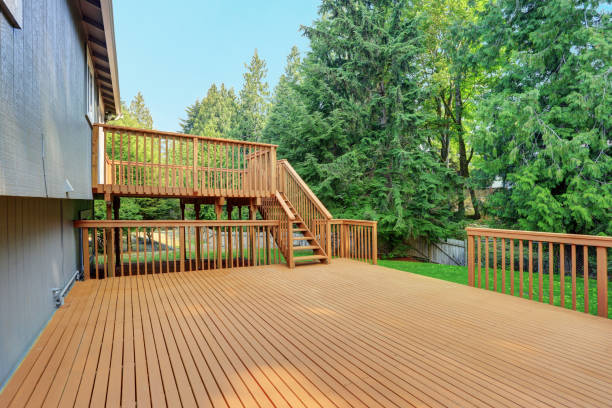
Turning a rooftop terrace in Singapore into a liveable space is one of the best ways to make use of extra square footage. With the right setup, you can create a chill hangout spot, a garden, or even a small outdoor dining area. One key feature that adds both style and function is composite wood decking. It’s a smart choice for rooftops, but it needs to be installed properly.
This guide will walk you through the basics. We’ll cover structure, materials, safety, and setup. If you’re planning a composite wood decking rooftop in Singapore project, this is for you.
Why Choose Composite Wood Decking?
Built for Singapore’s Weather
Singapore is hot, humid, and rainy. Timber struggles with these conditions. It rots, swells, and attracts termites. Composite wood decking, made from recycled wood and plastic, holds up much better. It doesn’t crack or warp, and there’s no need to stain or seal it every year.
Low Maintenance
You won’t spend your weekends sanding or oiling the boards. Just a wash with mild soap and water keeps it looking good. No special tools needed. No major upkeep. That’s a win for busy homeowners.
Safer Underfoot
Composite boards are slip-resistant and don’t splinter. That makes them safer for bare feet, kids, or pets. If you plan to walk around in slippers or set up a seating area, this matters.
Step 1 – Check the Rooftop Structure
Weight Matters
Rooftops aren’t built the same as floors. They often have limits on how much weight they can carry. Outdoor decking adds a lot of load—especially when you factor in furniture, plants, and people.
Get a structural check before starting. Speak with your building manager or a structural engineer. Better safe than sorry.
Watch the Waterproofing
Rooftops often have a waterproof layer. If you damage it, you could get leaks in the unit below. Never drill or bolt through it. Use raised platforms or floating frames instead. These rest on the surface without causing harm.
Step 2 – Use the Right Frame
Avoid Timber Frames
Timber frames don’t last on rooftops. The heat and moisture will break them down fast. Go with galvanised steel or aluminium. These materials are light, strong, and built to last.
They also work well with pedestals and adjustable supports, which you’ll need for rooftop decking.
Use Adjustable Pedestals
Rooftops are rarely flat. That’s where adjustable pedestals come in. They help create a level base without drilling. They also lift the deck above the surface, allowing water to flow underneath. This helps with drainage and keeps the space cool.
Step 3 – Pick the Right Boards
Solid vs Hollow Boards
For rooftops, solid boards are better. They’re stronger, last longer, and don’t flex under weight. Hollow boards are cheaper but not ideal for raised setups.
UV-Resistant Surface
Pick decking that resists fading. Singapore gets strong sun, and cheaper boards can lose their colour quickly. UV-resistant surfaces protect the look of your deck and help it stay cooler to the touch.
Step 4 – Plan for Heat and Airflow
Allow Space for Air
Leave a gap between each board. This allows hot air to escape and prevents heat build-up under the deck. It also helps with water drainage. Follow the manufacturer’s spacing rules—it makes a big difference.
Avoid Dark Colours
Darker boards absorb more heat. If your rooftop gets full sun, they’ll become hot and hard to walk on. Go for light to mid-tone colours for comfort.
Step 5 – Leave Room for Movement
Expansion Gaps
Composite expands and contracts with temperature. If boards are too tight, they’ll buckle or lift. Leave small gaps at the ends and sides. This gives each board space to shift.
Measure twice, install once. Follow the board supplier’s guidelines for spacing.
Border Edging
Use a fascia board or trim around the edge. This gives a clean finish and hides the frame. It also holds the decking in place, stopping boards from shifting over time.
Step 6 – Use the Right Fixing System
Go for Hidden Fasteners
Visible screws ruin the look. Hidden clips are neater and safer. They fit into grooves on the side of the board, holding everything in place without damaging the surface.
Stick to the Same Brand
Always use fasteners from the same brand as the decking. They’re designed to fit. Mixing and matching could weaken the setup.
Step 7 – Think About Drainage
Don’t Block Water Flow
Water needs a way out. Avoid placing boards flat on the rooftop surface. Raised systems with space under the deck help water drain away fast.
Make sure the slope of the rooftop still allows water to move toward the drains. Keep gaps clear and free of dirt or leaves.
Clean Often
Rooftop decks gather dust, leaves, and bird droppings. Clean with a broom and rinse with water. Don’t use pressure washers—they can damage the surface.
Step 8 – Safety First
Install Railings
If your rooftop doesn’t have a barrier, install one. It should meet building code standards for height and strength. Even if your building has railings, make sure your decking doesn’t raise the floor level too much. You don’t want to reduce the height of the railing.
Mind the Fire Risk
Most composite wood decking is resistant to fire, but not all. Check the specs. If you’re placing a BBQ pit, keep it on a heat-proof mat or non-flammable base.
Step 9 – Know the Local Rules
Condo and HDB Rules
Some buildings don’t allow permanent changes on rooftops. Others require permits or special approval. Always check with the MCST or building manager.
For landed properties, look at URA and BCA rules. There might be restrictions based on your area or building type.
Step 10 – Hire the Right Installer
Experience Matters
Not all contractors understand rooftop builds. Look for someone with rooftop decking experience. Ask to see past work. Read reviews. Ask questions.
The right installer will understand weight limits, drainage, and how to protect waterproofing.
Get a Warranty
A good installer will offer a workmanship warranty. The decking supplier should also offer a product warranty. Check what’s covered and for how long.
Wrapping Up
Installing composite wood decking on a rooftop in Singapore takes planning. You’ll need to get the structure right, choose the best materials, and follow safety rules. But when done well, it transforms your rooftop into a stunning space to relax, entertain, or unwind.
A well-installed composite wood decking rooftop Singapore setup offers comfort and style, with little to no upkeep. Take your time with planning. Work with the right people. And always keep safety and function in mind.
Once done, you’ll have your own little slice of the outdoors—up above the city.
FAQs
- Can composite decking be used on rooftops?
Yes, it can. Composite decking is strong, weather-resistant, and doesn’t rot. Just make sure your rooftop can support the weight and follow safe installation steps.
- Will composite decking get hot under the sun?
It can get warm, but lighter colours stay cooler. To avoid too much heat, install with airflow underneath and avoid very dark boards.
- Is composite decking safe when it rains?
Yes. Most composite boards have a textured surface that helps prevent slipping. It’s safer than wood when wet.
- How long does composite decking last?
Good quality composite decking can last 15 to 25 years. It doesn’t need much upkeep, which makes it great for rooftop spaces.
Also Read: BTO Flooring with Carpet: Design Ideas for Small Living Rooms