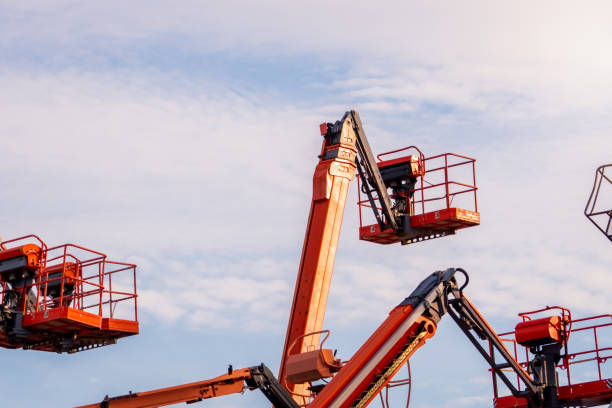
Moving heavy loads across rough ground presents a daily challenge on worksites. Many machines struggle to reach high places or navigate uneven surfaces. A special type of vehicle solves both problems with one simple design. We will explore the advantages that make this equipment so valuable. Both building sites and farms benefit greatly from its unique abilities. A telescopic handler combines the best features of several machines into one package.
You get the lifting power of a forklift with the long reach of a crane. This combination saves space and money on busy work sites. Farmers and builders both find countless uses for this adaptable vehicle. This article lists the top benefits that explain its growing popularity. Each point shows why this machine earns its place on modern worksites.
1. Reaching Higher Than Standard Machines
Normal forklifts only lift loads to a certain height. A telescopic handler pushes its arm forward and upward like a fishing rod. This design places materials exactly where other machines cannot go.
-
Stretching Into Tight Areas
The long arm slides out to get across obstacles or into upper floors. You do not need to move the whole vehicle closer to the target. This saves time and cuts down the number of trips back and forth.
-
Hoisting to Upper Levels
Building jobs often need materials on the second or third floor. This machine sets pallets right onto scaffolding or roof edges. No other wheeled vehicle matches this upward reach.
2. Working on Rough Terrain
Building sites and farms rarely have smooth, flat ground. Mud, gravel, and hills do not stop this tough machine from doing its job. Big tyres and four-wheel drive give it the grip it needs.
-
Crawling Over Bumpy Ground
The frame design keeps the machine steady even on bumpy paths. You can drive across a ploughed field without getting trapped. This ability saves hours of annoyance during wet weather.
-
Staying Upright on Hills
A low centre of gravity prevents tipping when carrying heavy loads. The machine spreads weight evenly across all four wheels. Operators feel safe even when working on slanted ground.
3. Switching Attachments for Different Jobs
One machine turns into many tools with a rapid attachment swap. Buckets, forks, hooks, and sweepers all hook onto the same arm. This flexibility cuts down the number of vehicles you need to own.
- Swap forks for a digging bucket in just a few minutes.
- To move hay around the farm, attach a bale spike.
- Connect a sweeper to clean up after a long workday.
4. Saving Valuable Workspace
Parking many machines eats up the room that could hold supplies. A telescopic forklift replaces several single-purpose vehicles with one unit. This clears space for other activities or storage.
- Fewer vehicles mean less time moving equipment around.
- One machine moving causes fewer jams than three.
- A cleaner site lowers the chance of accidental bumps.
5. Boosting Operator Visibility
Sitting up high gives the driver a clear view of the whole work area. Spotting obstacles or people is much easier from this spot. Better visibility directly lowers the chance of accidents.
-
Watching the Load Clearly
The cab position lets operators watch their forks during every move. You can place materials exactly where they need to go without guessing. This care prevents damage to both loads and nearby structures.
-
Spotting Dangers Early
A high seat helps drivers notice dangers before they become a problem. Loose cables, uneven ground, or nearby workers stay visible at all times. Quick reactions to these dangers keep everyone safe on site.
6. Moving Materials Faster
Carrying one load per trip wastes precious time on big projects. A telescopic handler moves more material with each journey. The long reach also lets you place items right where they belong.
- Lifting once and placing directly saves many handling steps.
- Placing materials from a distance cuts down driving trips.
- A long reach means less driving and more useful work.
7. Giving Fine Load Control
Hydraulic systems give operators fine control over every movement. You can inch the forks forward or backwards with small stick moves. This care is important when placing breakable or costly materials.
-
Using a Gentle Touch
Soft movements prevent jerky starts and stops that spill loads. The hydraulic system responds smoothly to tiny control inputs. Operators place items without crushing or breaking anything underneath.
-
Staying Put Without Drift
The machine holds its height even when you take your hand off the controls. This hold feature lets you focus on other tasks without worry. Loads stay exactly where you left them until you move again.
8. Fitting Seasonal Needs
Farms face different challenges during planting, growing, and harvest time. A telescopic handler adapts to each season with a simple attachment swap. One machine serves the whole year without being unused.
-
Spring for Muck Moving
Attach a muck grab to clear animal waste from barns and fields. The long reach lets you pile material exactly where you want it. When summer comes, you switch back to pallet forks for hay bales.
-
Autumn for Grain Shifting
Grab a grain bucket to move harvested crops into storage bins. Reach up high to fill silos without climbing ladders or stairs. In winter, a snowplough might clear paths between buildings.
Comparing Handler Types
The table below shows how different models suit various job needs. Use this guide to match a machine to your typical workload.
| Feature | Construction Use | Farm Use |
| Reach height | Up to four storeys | Barn loft or silo top |
| Tyre type | Solid or foam-filled | Large pneumatic |
| Common attachment | Bucket or fork | Bale spike or grab |
| Typical load | Bricks or steel | Hay or grain bags |
Final Thoughts
A telescopic forklift brings together power, reach, and flexibility in one package. Builders use it to place steel beams on upper floors. Farmers use it to stack hay bales in tall barns. The same machine then switches tasks seamlessly.
The benefits of telescopic handlers become clear once you see one in action. One vehicle does the work of a forklift, a crane, and a loader all at once. You save money on buying separate machines for each job. Parking a fleet of single-purpose vehicles also saves you space.
Look at your current workload and count how many machines you use. A telescopic handler could replace most of them with room to spare. The ability to reach high places while staying steady on rough ground sets it apart. Add in the rapid attachment changes, and you have a true all-rounder. This machine earns its keep on any site that moves heavy materials.
FAQs
What is the highest a telescopic forklift can reach?
Most models reach between six and ten metres high. Some larger machines stretch up to seventeen metres for very tall building projects.
Can I take a telescopic handler on public roads?
Yes, but you need proper lights, mirrors, and registration. Many places also require a special licence for road use with this machine.
How often should I check the extending arm?
Look at the arm slides and chains every two hundred working hours. Regular greasing and cleaning stop early wear on moving parts.
Do telescopic handlers work well in muddy fields?
Yes, big flotation tyres keep the machine moving through soft ground. Four-wheel drive gives extra pulling power when conditions turn slippery.
Also Read: A Complete Buying Guide for Telescopic Boom Lift Equipment