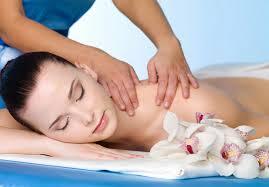
Many people in Singapore now look for simple ways to feel better. They want to ease stress, soothe pain, and sleep well without taking medicine. One popular method is Chinese Tui Na Singapore therapy. This hands-on treatment comes from ancient healing traditions. It works with the body’s natural energy and helps restore balance.
Tui Na is not just a massage. It follows the ideas behind Chinese medicine acupuncture, using touch instead of needles. In this blog, you will learn how it works, what it helps with, and why it may suit your wellness needs.
What is Chinese Tui Na?
Chinese Tui Na (say it “twee nah”) is a healing therapy. It started over 2,000 years ago in China. Tui Na is part of Traditional Chinese Medicine (TCM). It shares the same ideas as Chinese medicine acupuncture, but uses the hands instead of needles.
In TCM, the body has a natural energy called “qi.” This energy moves through lines in the body called meridians. If qi gets stuck, people may feel pain, stress, or illness. Tui Na helps unblock that energy.
The therapist presses, stretches, and moves the body in special ways. These actions help the qi flow again. When that happens, the body can start to heal.
How Does Chinese Tui Na Work?
A Tui Na session starts with a talk. The therapist asks about your health and how you feel. Then, you lie down on a bed or sit on a chair. You keep your clothes on.
The therapist uses their hands, fingers, elbows, and arms. They press and move your muscles and joints. Some moves feel firm. Others feel gentle. The goal is to reach deep spots and help energy move.
Sometimes, the therapist also works on acupressure points. These are the same points used in Chinese acupuncture. By pressing them, they can wake up the body’s healing power.
Sessions usually last 30 to 60 minutes. Some people feel better right away. Others may need a few visits to feel the full effect.
What Conditions Can Tui Na Help With?
Many people in Singapore try Chinese Tui Na therapy for:
1. Muscle Pain and Stiffness
Tui Na helps sore backs, stiff necks, and tense shoulders. It works well after long workdays or sitting too much.
2. Headaches
Some headaches come from tension. Tui Na can loosen tight areas and bring relief.
3. Digestive Problems
When energy in the stomach area slows, people may feel bloated or sluggish. Tui Na can support smoother digestion.
4. Stress and Anxiety
Tui Na helps the body relax. This also helps the mind slow down. Many people feel calm after a session.
5. Sleep Problems
Tui Na improves sleep for people who wake often or can’t fall asleep. By balancing energy, it supports restful nights.
6. Joint Trouble
Knees, wrists, and ankles can all benefit. Tui Na helps increase movement and ease pain.
This therapy can support both new and long-term issues. Many find it a safe and natural choice.
How is Tui Na Different from Regular Massage?
Tui Na looks like massage, but it works differently. It follows the body’s energy lines. It also uses many styles of movement. These include rubbing, rolling, tapping, and kneading.
While massage aims to relax, Tui Na aims to fix a problem. It is more focused. It also blends ideas from Chinese medicine acupuncture, even without using needles.
Tui Na does not feel the same as a spa massage. It may feel strong or deep at times. But many people feel better after just one session.
Why Try Chinese Tui Na Singapore Therapy?
Singapore is a fast-paced city. Work and school can be stressful. Traffic, screens, and long hours all take a toll on health. People want simple ways to feel better.
Here’s why Chinese Tui Na Singapore therapy is a good option:
1. It’s Natural
Tui Na uses no drugs. It helps the body fix itself.
2. It Fits Many People
Young or old, office worker or athlete—Tui Na suits many.
3. It Can Be Preventive
Tui Na not only treats pain. It can stop problems before they start.
4. It Works with Other Methods
You can pair Tui Na with herbs, food therapy, or Chinese medicine.
5. It’s Widely Available
You can find trusted Tui Na therapists in many parts of Singapore. Some clinics also offer other TCM services.
What to Expect During Your First Visit
If you are new to Tui Na, it’s normal to feel unsure. Here’s what happens:
- You will talk about your health and lifestyle.
- The therapist will explain the session.
- You stay fully dressed (wear loose clothes).
- You may feel pressure or movement on tight areas.
- You may feel tired or sore later. That’s normal. It shows the body is adjusting.
After a few visits, many people report better sleep, easier movement, and fewer aches.
Tips to Get the Most from Your Tui Na Sessions
- Drink water after your visit as it helps the body flush out toxins.
- Rest if you feel tired as your body needs time to adjust.
- Keep a note of changes so share them with your therapist.
- Be consistent as one session helps, but a few may work better.
- Ask questions because good therapists explain what they do and why.
Tui Na and Chinese Medicine Acupuncture: A Powerful Pair
Tui Na and Chinese acupuncture often work side by side. Both follow the same ideas about energy and healing.
Acupuncture uses fine needles to open energy paths. Tui Na uses touch and movement. Together, they support deep healing.
Some clinics in Singapore offer both. They may start with Tui Na and then add acupuncture if needed. The goal is the same—help your body feel its best.
Conclusion
Chinese Tui Na Singapore therapy brings old wisdom into modern life. It offers a safe, natural way to ease pain, calm stress, and boost health. For people in Singapore who want more than just a quick fix, Tui Na may be the answer.
It fits many needs. It suits many ages. It follows the body’s own rhythm. And most of all, it supports healing from within.