

 Lakshadweep, often called India’s hidden treasure in the Indian Ocean, is rapidly emerging as the new frontier of Indian tourism. This pristine archipelago, consisting of 36 coral islands, offers an unparalleled combination of unspoiled natural beauty, rich marine biodiversity, and serene landscapes that captivate nature lovers and adventure seekers alike. For travelers planning a Viaggio in Laccadive, Lakshadweep represents a unique blend of exclusivity, cultural richness, and sustainable tourism, making it one of the most promising destinations to explore in 2026 and beyond.
Untouched Paradise with Tremendous Tourism Potential
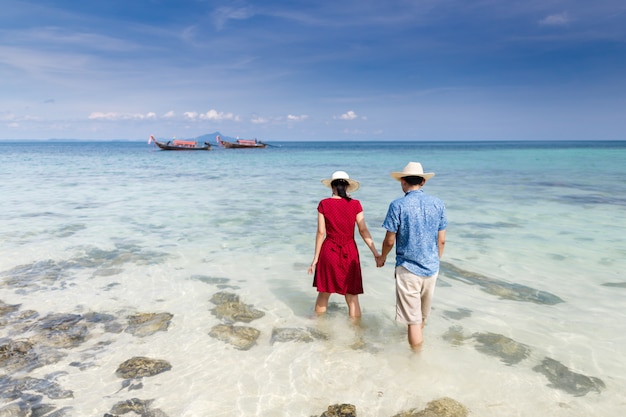
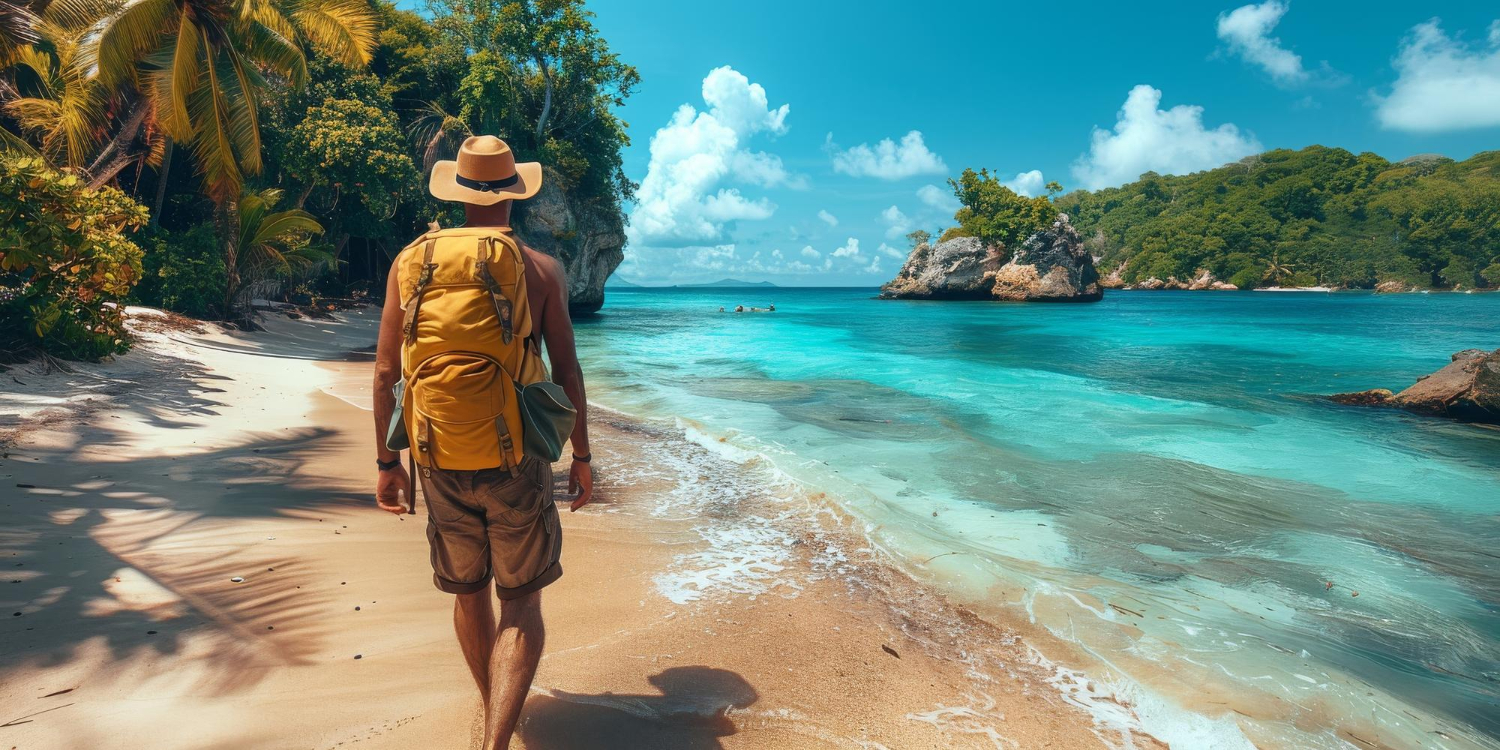
Lakshadweep’s remote location 200-400 km off the coast of Kerala has kept it largely untouched by mass tourism, preserving its pristine beaches, crystal-clear lagoons, and vibrant coral reefs. The islands’ ecological richness rivals world-renowned tropical destinations, offering activities like snorkeling, scuba diving, windsurfing, kayaking, and lagoon cruises amid some of the Indian Ocean’s clearest waters. This untouched beauty makes Lakshadweep an ideal destination for eco-tourism and responsible travel.
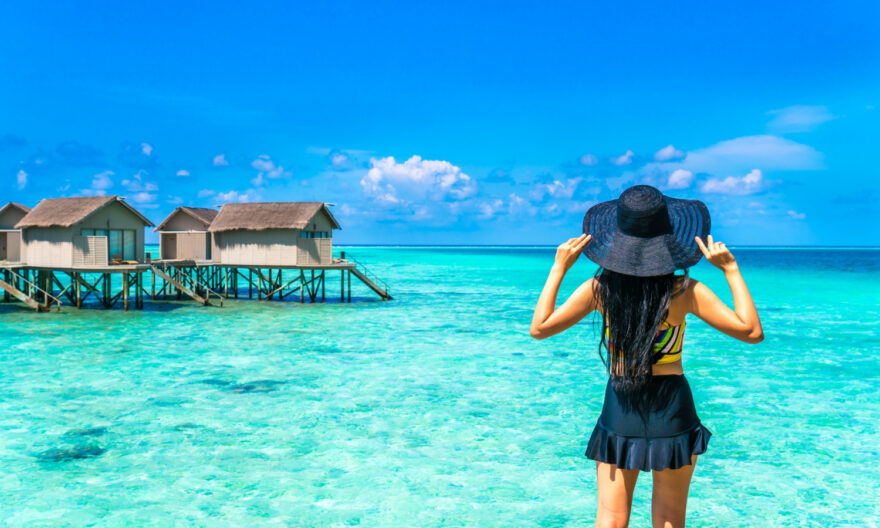
Recent government initiatives have sparked a renewed interest in developing Lakshadweep as a tourism hotspot. As part of the Swadesh Darshan 2.0 scheme and focused plans by NITI Aayog, significant investment is being made to enhance infrastructure sustainably. Efforts include developing eco-resorts, tent cities, and water villas on islands like Bangaram, Kadmat, and Thinnakara, aimed at low-density, high-quality tourism that honors the islands’ ecological sensitivity.
Viaggio in Laccadive: A Focus on Sustainability and Community
Lakshadweep’s tourism growth is distinct because it balances economic development with environmental stewardship. Unlike many over-commercialized island destinations, Lakshadweep prioritizes sustainable tourism practices – limiting visitor numbers, protecting coral reefs, and zoning islands based on environmental capacity. This ensures long-term conservation, crucial for the coral-rich ecosystem and local fishing communities that depend on the sea.
The emphasis on sustainability extends to community empowerment. Local residents are increasingly engaged in tourism through homestays, ecotourism ventures, and cultural experiences showcasing the unique blend of Indian Ocean traditions. Travelers on a Viaggio in Laccadive can connect with traditional island life, sampling authentic seafood cuisine, witnessing cultural dances, and supporting small businesses, all while minimizing their environmental footprint.
Adventure and Leisure Combined: Water Sports and More
Lakshadweep’s waters offer some of the best adventure sports experiences in India. Snorkeling and scuba diving here reveal diverse marine life including turtles, rays, and colourful corals, with sites compared favorably to Indonesia and Maldives. Windsurfing, kayaking, and jet-skiing appeal to thrill-seekers, while serene boat tours through lagoons attract families and nature enthusiasts. The ambiance is intimate and tranquil, unspoiled by crowds or commercial excess, perfect for those seeking authentic adventure off the beaten path.
Infrastructure Developments Enhancing Tourist Experience
While Lakshadweep remains pristine, the government is focused on overcoming challenges related to connectivity and accommodation. New infrastructure projects include the construction of comfortable guesthouses, eco-friendly resorts under reputed hospitality brands, and improved inter-island transport facilities such as ferries and seaplanes. These developments facilitate easier access and longer stays without compromising the islands’ charm.
Power and healthcare facilities are also being upgraded, with solar energy projects powering multiple islands and healthcare services enhanced for residents and visitors. This holistic approach boosts tourism’s positive impact, creating jobs, raising living standards, and ensuring visitor safety.
When to Visit and Practical Tips
The ideal time for a Viaggio in Laccadive is between September and May when the weather is calm, and waters are ideal for diving and water sports. Monsoon months (June to August) see rough seas and limited connectivity, so avoid travel during that period.
Visitors require entry permits, which are arranged through authorized tour operators or government agencies to regulate the number of tourists, helping preserve these fragile ecosystems. Planning ahead is crucial to ensure a smooth trip.
Why Lakshadweep is the New Frontier
Lakshadweep offers an unrivaled getaway for travelers seeking exclusivity, sustainability, and natural beauty. Unlike overrun tropical hubs, it promises a peaceful sanctuary with meaningful cultural interactions and thrilling water-based activities. Its developing tourism sector, supported by savvy government policies and private partnerships, is setting new standards for responsible island tourism in India.
For those dreaming of a Viaggio in Laccadive, Lakshadweep is painting a new picture of paradise—one where pristine coral reefs shimmer beneath azure waters, vibrant traditions flourish, and nature is respected and preserved. This makes Lakshadweep not just a holiday destination but a symbol of India’s evolving and environmentally mindful tourism future.
Lakshadweep is poised to become a major landmark in the Indian Ocean tourism map. Its pristine environment, combined with ambitious yet thoughtful development efforts, points to a future where travelers can enjoy a paradise unlike any other in India—sustainable, authentic, and breathtakingly beautiful.