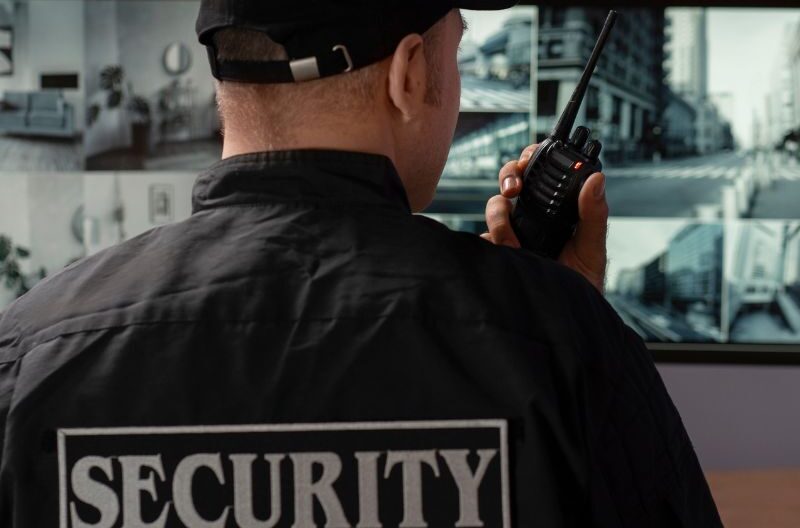
Events bring movement, energy, and excitement, and people often gather with high expectations for safety and comfort. Planning becomes easier when skilled professionals guide the environment and keep everything steady. In many situations, organisers depend on a trained security guard for events, who supports the flow of people, protects the space, and reacts to concerns with calm confidence. This role strengthens the event’s foundation and shapes an atmosphere where everyone feels secure.
Events gain structure when clear responsibilities keep the environment orderly. Guards study layout details, control entry points, and watch for unusual activity. They respond quickly, think clearly under pressure, and help prevent risks from growing. Their actions connect with the principles of event security management, which helps organisers keep things smooth and predictable. When guards and planners work together, the event feels safe, balanced, and ready for a positive experience.
Monitoring the Venue with Constant Awareness
Guards keep events safe by observing the environment from the moment the space opens. They study patterns, track movement, and watch for changes that might affect safety. Their steady awareness helps them guide crowds and support calm behaviour. Because a security guard for events controls how people move, they ensure safe access to each section of the venue. Guards also help handle disruptions by stepping in quickly to prevent confusion.
This level of awareness strengthens the event’s stability. Guards adjust their position, scan the area, and stay ready to act when needed. Their presence helps spot small issues before they grow into larger problems. Since event security management focuses on prevention, this step becomes a powerful foundation for the entire safety plan.
Three points that explain strong venue monitoring
More than twenty words appear above this list to show why constant awareness matters and how guards protect event environments by staying alert, steady, and focused each moment.
- Guards track movement to spot unusual behaviour.
- They guide crowds to maintain safe flow.
- They scan all zones for quick risk control.
Strong monitoring keeps events organised and encourages calm behaviour for everyone involved.
Supervising Entry and Exit Points
Entry and exit points shape the rhythm of any event. Guards control how people enter, move, and leave the space by using organised steps that keep crowds manageable. They check access, observe items being brought into the venue, and help direct individuals smoothly. When a security guard for events handles entry supervision, both flow and safety remain controlled.
This responsibility also supports the larger goals of event security management. Guards maintain order, check for restricted items, and guide people away from crowded areas. When they control entrances properly, the event gains structure. They also help keep exit points clear so everyone can leave the venue safely and without stress.
Three points that clarify entry and exit control
At least twenty words appear above this list to explain how supervising key access points protects the event, supports planned movement, and reduces risks linked to sudden crowd growth.
- Guards inspect items to keep the venue safe.
- They guide people through controlled access lines.
- They keep exits open for smooth departure.
Clear entry and exit routes keep the event balanced and ready for safe participation.
Responding to Emergencies with Calm Action
Events sometimes face unexpected situations that require immediate action. Guards respond with quick thinking, calm hands, and steady voices. A trained security guard for events learns how to act during emergencies such as crowd surges, sudden disturbances, or health concerns. They guide people to safety while keeping communication simple and direct.
Emergency action connects closely to event security management because organised plans help guards respond without confusion. They coordinate with support teams, alert organisers, and direct people away from danger. Their focus reduces fear and keeps the environment stable, even during stressful moments. When guards lead with confidence, they help maintain order and prevent small issues from becoming larger problems.
Three points that explain emergency response
More than twenty words appear above this list to describe why rapid action matters and how clear coordination allows guards to protect people during urgent situations.
- Guards guide people calmly during emergencies.
- They alert support teams for quick assistance.
- They lead crowds away from unsafe areas.
Strong response skills help events stay under control even when situations shift unexpectedly.
Supporting Crowd Control with Structure and Confidence
Crowd movement shapes the pace of any event. When large groups gather, guards guide their paths, manage queues, and prevent pressure points from forming. A security guard for events helps keep people spaced safely and moves them through different areas with careful planning. They adjust their position as crowds shift and help maintain steady flow throughout the venue.
Crowd control works smoothly when linked with strong event security management. Guards consider layout, timing, and expected movement patterns. They help organise lines, redirect people when areas become full, and bring calm guidance to busy spaces. These actions reduce confusion and keep the event experience pleasant for all attending.
Three points that explain effective crowd control
More than twenty words appear above this list to illustrate why structured movement supports safe experiences and how guards guide crowds through organised paths during the event.
- Guards maintain safe spacing in crowded areas.
- They redirect groups to prevent congestion.
- They manage queues for smoother movement.
Crowd control keeps events flowing and reduces stress on the venue and its guests.
Using a Table to Understand Guard Responsibilities
Guards follow a wide range of duties, and a simple table helps highlight how each task supports the event’s safety goals. This view helps outline how responsibilities connect and how they create a steady and secure experience for everyone.
| Responsibility | Purpose |
| Crowd Control | Maintains order and smooth movement |
| Entry Checks | Protects venue from unsafe items |
| Emergency Response | Guides people to safety quickly |
Coordinating with Event Teams
Guards strengthen the event’s success by working closely with organisers and support staff. They communicate updates, share safety concerns, and adjust plans when the environment shifts. As they move through the venue, they gather information that helps teams stay aware of what needs attention. When a security guard for events communicates well, the event functions smoothly and with fewer disruptions.
Team coordination also strengthens the core of event security management. Guards report issues early, explain risks, and help design safer strategies. This teamwork keeps the event flexible, steady, and ready for unexpected changes. Their cooperation encourages a safer atmosphere and a more organised experience.
Guiding Lost or Confused Guests
Events often bring large crowds, and some people may feel uncertain about where to go. Guards help by offering simple instructions, guiding guests through busy paths, and pointing them to key areas. These actions support calm movement and prevent confusion from spreading. Helping guests also shows how a security guard for events brings comfort to the overall atmosphere.
This support strengthens event security management because clear guidance reduces wandering, clustering, and crowd delays. Guards stay patient, listen carefully, and respond with direction that keeps people moving confidently. Their role improves the event’s overall organisation and ensures guests feel safe and informed.
Conclusion
Event safety depends on structured actions, calm reactions, and steady awareness. Guards support the environment by monitoring spaces, guiding movement, controlling access, and stepping in quickly when challenges arise. Their work connects deeply with strong planning and thoughtful coordination. A dependable guard encourages comfort and confidence, giving the event stability from start to finish. When guards manage duties with focus and care, they help create an experience where everyone feels secure, supported, and ready to enjoy the event.
FAQs
Why do events need trained security guards?
Events need guards because skilled professionals guide crowds, protect spaces, and respond quickly to concerns.
How does a security guard help support event planning?
Guards share updates, suggest safety improvements, and guide teams through organised checkpoints.
What skills make a security guard effective at events?
Effective guards stay alert, communicate clearly, think quickly, and act with steady focus.
How does event size change the guard’s responsibilities?
Larger events require more crowd control, more communication, and more coordination to keep movement steady.