


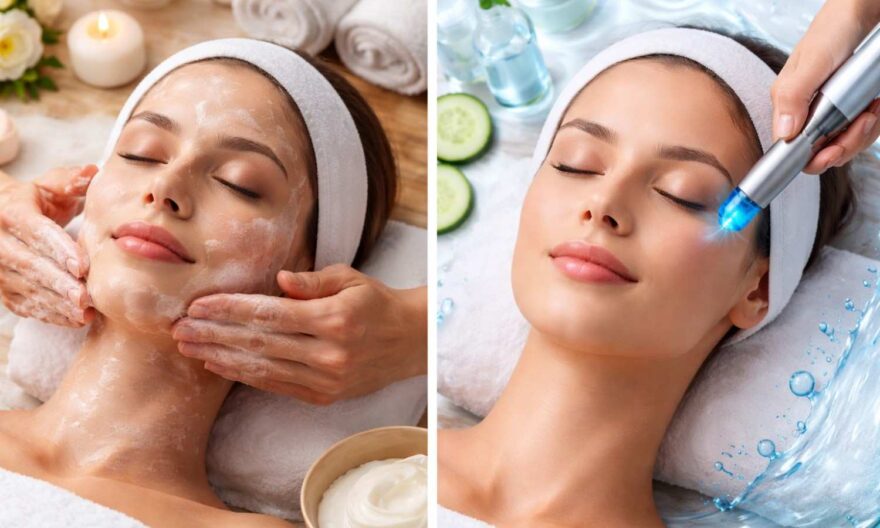
Skin care choices often feel overwhelming because many treatments appear similar at first glance. People usually compare simple facials with more intensive options while trying to protect skin health. Hydrating Facial Treatment options often stand out they focus on comfort with moisture balance. However, each facial works at a different level to serve a different purpose. Understanding these differences helps readers make informed decisions, match treatments that their skin needs to avoid unnecessary care that may not suit their skin condition.
What Is a Basic Facial
A basic facial supports skin through gentle, surface-level care. It suits people who prefer routine maintenance rather than intensive treatment. Skin stays clean with calm, which makes this option popular for regular visits.
Core Purpose of a Basic Facial
A basic facial removes surface dirt while refreshing tired skin. The treatment keeps skin clear because the process avoids strong techniques. Skin also feels relaxed since the steps remain gentle.
Key focus areas include:
- Even though cleansing to lift dirt with oil
- While exfoliation to remove dull skin
- Even a light massage to ease tension
- Keep the mask to soothe the surface.
The treatment feels quick or comfortable, although deeper layers remain untouched.
Who Benefits Most from a Basic Facial
This facial fits people with balanced skin who want steady care. Skin stays fresh without stress, which supports long-term comfort.
Ideal for:
- Normal skin types
- Younger skin
- Regular maintenance
- Short care sessions
Skin health improves gradually as long as the approach stays consistent.
Step-by-Step Breakdown of a Basic Facial
Each step plays a clear role in skin comfort. The process flows smoothly because every stage prepares the skin for the next.
Cleansing and Skin Prep
The session begins with cleansing that removes makeup or dirt. Clean skin responds better to later steps, which improves overall results.
Exfoliation Stage
Mild exfoliation follows cleansing. Dead skin lifts away during this stage, while smoother skin appears underneath.
Massage and Mask
A short massage then releases facial tension. A calming mask follows, which helps seal comfort to protect the surface layer. Skin feels refreshed by the end because the process stays gentle.
What Is a Deep Hydrating Facial
A deep hydrating facial focuses on moisture restoration rather than surface refreshment. Dry or tight skin benefits most because hydration reaches deeper layers. The process restores balance while improving skin texture.
How Deep Hydration Supports Skin
Skin loses moisture through daily exposure. This facial replenishes water levels while supporting the skin barrier.
Main focus points include:
- Deep cleansing to clear pores
- Hydration layers that soak skin
- Massage to support renewal.
- Moisture masks that lock hydration
Skin feels soft or plump afterward because moisture remains sealed in.
Skin Types That Suit Deep Hydration
This facial suits skin that shows dryness or fatigue. Environmental stress often causes dehydration, which this treatment helps correct.
Best for:
- Dry skin
- Dehydrated skin
- Dull tone
- Uneven texture
Comfort improves because hydration reaches beyond the surface.
Step-by-Step Breakdown of a Deep Hydrating Facial
Each stage builds moisture gradually so the skin absorbs hydration fully.
Deep Cleansing Phase
Thorough cleansing removes buildup from pores. Clean pores allow hydration products to penetrate more effectively.
Hydration Layer Application
Hydrating serums follow cleansing. These layers sink into the skin while restoring water balance.
Massage and Sealing Mask
A longer massage supports circulation. A rich mask then seals moisture, which protects the skin barrier.
Skin feels nourished because every step supports hydration retention.
Key Differences Between the Two Facials
Both facials improve skin health, yet their goals differ.
Treatment Depth
A basic facial works on the surface layer, while deep hydration targets deeper layers. This difference shapes the final result.
Results and Feel
Basic facials leave skin clean or refreshed. Deep hydration leaves skin soft, which is supple for longer.
Main differences include:
- Surface care versus deep care
- Light hydration versus intensive moisture
- Short-term freshness versus lasting comfort
- Maintenance versus repair
Skin needs determine the better option.
Time and Frequency Considerations
Each facial fits a different schedule.
Session Length
Basic facials require less time. Deep hydrating facials take longer because of layered techniques.
Care Frequency
Basic facials suit monthly routines. Deep hydration suits periods of dryness. Many facial services in Singapore recommend alternating between both treatments, which supports skin balance throughout the year.
Ingredients Used in Each Facial
While ingredients influence how skin responds.
Ingredients in a Basic Facial
Basic facials rely on mild formulas that protect balance.
Common elements include:
- Gentle cleansers
- Soft exfoliants
- Calming masks
Skin remains stable because products stay light.
Ingredients in a Deep Hydrating Facial
Even deep hydration uses moisture-rich formulas.
Common elements include:
- Hydration serums
- Water-binding compounds
- Nourishing masks
While skin regains comfort because moisture stays locked in.
Sensation During and After Treatment
Each facial creates a different experience.
During a Basic Facial
Skin feels cool or refreshed; therefore, the massage stays light, while the mask calms the surface.
During a Deep Hydrating Facial
Skin feels warm or relaxed. Products feel rich, or comfort lasts longer after the session. Aftercare matters because hydration continues working beyond the treatment.
Which Facial Should You Choose
The right choice depends on skin signals.
Reading Your Skin Signals
Tight skin signals dehydration, while balanced skin signals maintenance needs. Weather or lifestyle also influences skin condition.
Choose a basic facial when:
- Skin feels normal
- Routine care feels enough.
- Time stays limited
Choose deep hydration when:
- Skin feels dry
- Texture feels rough
- Comfort feels low
Many facial services in Singapore guide this choice through consultation.
How Lifestyle Shapes Facial Results
Daily habits influence how skin responds to any facial. Sleep or diet for stress levels affects moisture for texture over time. Skin reacts better to treatments when lifestyle choices support overall balance. Small changes often improve results without extra effort.
Everyday Factors That Affect Skin Response
- Sleep patterns that support skin repair.
- Water intake that maintains skin comfort.
- Stress levels that influence skin clarity.
- Environmental exposure that affects texture.
Final Thoughts
Every facial plays a distinct role in maintaining or restoring skin health. Basic facials support routine care, while deeper options address dryness or fatigue. Hydrating Facial Treatment sessions suit skin that needs moisture with lasting comfort rather than surface refreshment. Choosing the right facial depends on skin condition, environment, that keep personal routine. When skin feels stable, gentle care maintains balance. When dryness appears, deeper hydration restores comfort with softness. A thoughtful approach ensures skin stays healthy, calm, or well supported over time.
FAQ
- How often should I get a facial?
Most people benefit from a facial once a month because skin renews itself regularly. However, skin type or lifestyle environment may affect how often care feels necessary.
- Can facials suit sensitive skin?
Yes, many facials suit sensitive skin when gentle products are used. A proper skin check helps avoid irritation or supports comfort throughout the session.
- Do facials cause breakouts?
Breakouts may occur if pores clear trapped oil. This reaction often fades quickly as skin adjusts to restore balance.
- Should I wear makeup after a facial?
Skin absorbs products better after a facial. Avoiding makeup for a short time helps skin settle to maintain its refreshed feel.