


Factories have always used old ways to make things. Machines cut and shape materials into finished goods. This way has worked well for a long time. But now the world wants things faster and more personal.
A quiet change is happening in how we make stuff. The mix of 3D printing and manufacturing offers new things that old ways cannot do. It lets makers create complex shapes that were not possible before. It allows making things only when people order them. Seeing this shift helps us understand the direction of making things.
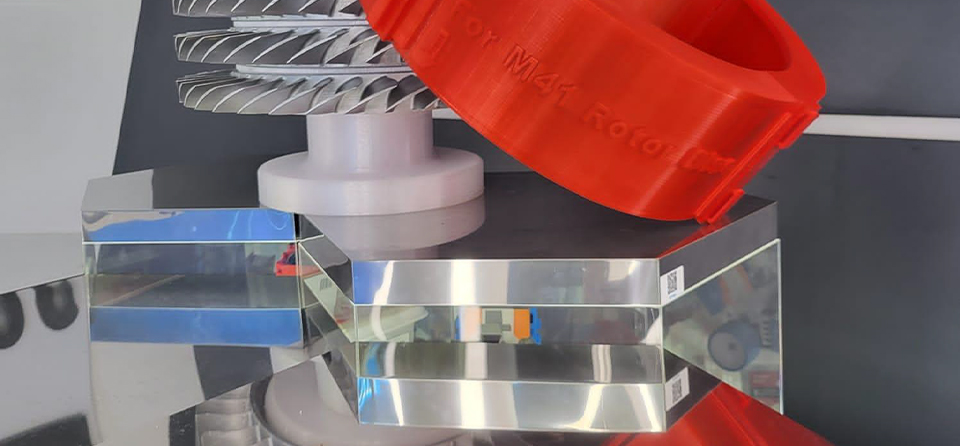
The Problems with Old-Style Making
Old-style making has worked well, but has big issues. Making a new product needs costly moulds and special tools. This high start-up cost means companies must make huge amounts to keep prices low. Changing designs becomes a nightmare. Fixing a mould costs a lot and takes weeks. This stiffness stops new ideas and slows progress.
Here are three big problems with old ways.
- First, tool costs run very high for new products. This wall stops many excellent ideas from ever reaching stores.
- Second, mass production requires huge minimum orders. Small shops cannot afford to store thousands of items.
- Third, design changes need new tools and long waits. Such a process slows new ideas to a crawl.
These limits have shaped us for ages. The rise of 3D printing and manufacturing finally offers a way past these walls.
How New Printing Changes Everything
New printing builds things layer by layer from computer files. No moulds needed. No special tools required. This ease changes the money side of making. Suddenly, making one item costs nearly the same as making a thousand. Making things personal becomes free. Design changes happen with a few clicks instead of weeks of waiting.
Here are three new aspects of this approach.
- First, they remove start-up tool costs completely. Anyone with a design can start making right away.
- Second, they let you make each item slightly different without slowing down.
- Third, they allow complex shapes that machines cannot cut. Light frames save material and weight.
These powers shift the whole world. Forward-thinking building engineering services now use these ways to make parts that were not possible before.
Speed and Quickness in Making
How fast you get to market decides success in many fields. Getting products to people faster than rivals gives huge wins. New printing speeds up this timeline by a lot. Designers send files straight to printers. Test parts come out in hours instead of weeks. Fixes constantly happen.
Here are three ways that new methods speed up the making process.
- First, they remove tool wait times completely. Making starts as soon as the design ends.
- Second, they let you test and improve fast. Designers see and touch their creations right away.
- Third, they allow making near customers. Sending computer files costs nothing compared to moving real goods.
This speed changes whole industries. Firms using 3d printing and manufacturing react to market shifts with never-before speed.
Green Benefits
Earth worries grow more each year. Old manufacturing creates huge waste. Machines cut away material, leaving scrap behind. New printing offers a greener path. It uses only the material needed for the part itself. Scrap nearly vanishes. Printing near customers cuts long shipping routes.
Here are three green pluses of new methods.
- First, they make very little waste compared to cutting ways. Material use hits ninety per cent or more.
- Second, they allow light designs that save energy. Lighter vehicles and planes burn less fuel.
- Third, they support fixing instead of throwing away. Printing spare parts makes products last much longer.
These green gains grow more key each year. Adding these ways to building engineering services helps make greener buildings.
Making Things Personal
People now want products made just for them. One-size-fits-all does not work for many. Old is struggling with the change because it costs too much. New printing loves variety. Changing a design for each person adds zero cost. Products can fit each person’s wants just right.
Here are three ways personal touch adds value.
- First, medical tools fit patients perfectly for better results. Hearing aids already use this method.
- Second, daily goods show personal style and taste. Buyers help make products truly theirs.
- Third, work parts improve for specific uses. Performance gets much better with a custom design.
This personal shift touches every field. The future of 3D printing and manufacturing lies in serving each person’s needs at mass production costs.
Effect on Supply Chains
World supply chains stretch thousands of miles across oceans. They take months to move goods from the factory to the buyer. Recent times have shown how weak the system can be.
Digital is making changes to supply chains completely. Files travel in seconds while goods print nearby. Warehouses become optional.
Here are three ways new methods make supply chains stronger.
- First, they cut the need for faraway factories. Making moves closer to where people live.
- Second, they allow a quick reaction to problems. Printing spare parts during crises keeps things running.
- Third, they make stock control much simpler. Computer files replace physical goods.
These pluses prove key in an unsure world. Building engineering services now use these powers to keep working during problems.
| Old Making | New Printing | Main Plus |
| Needs costly moulds and tools | Needs only computer files | Removes start costs |
| Minimum orders in thousands | Makes single items cheap | Let you personalise |
| Weeks for design changes | Changes happen in hours | Speeds up new ideas |
| Makes up to 90% waste | Uses almost all the material | Cuts earth harm |
| Faraway factories | Printing near customers | Shortens supply lines |
This list shows the big shifts that new printing brings to making.
Uses in Many Fields
Every field can gain from these new powers. Plane firms print light parts that save fuel. Health firms make custom tools that help people live better. The range of uses keeps growing. New materials come out all the time. Metals and strong plastics now print well.
Here are three fields changed by new methods.
- First, healthcare makes tools that fit each patient. Better results come from perfect fits.
- Second, plane makers print light brackets and tubes. Every gram saved cuts fuel use by a lot.
- Third, building printed parts with smart shapes. Saving material joins with faster build times.
The variety spread across fields shows the tech’s wide use. The combination of 3D printing and manufacturing in building engineering services enables the construction of buildings that were previously impossible.
Skills for Tomorrow
New tech needs new skills. Designers must think in new ways for printing. They make shapes that old methods cannot create. Schools now teach these skills. Students learn design and how to make things light and strong.
Here are three skill areas growing in need.
- First, computer design know-how becomes a must. Makers must create files that printers can read correctly.
- Second, material knowledge guides what to use. Different jobs need different material traits.
- Third, process know-how ensures successful results. Things like heat affect quality.
These skills bring top value in today’s job market. Workers with printing know-how lead the making revolution.
Conclusion
Making things stand at a turning point. Old ways that served for ages now face a strong new rival. The mix of 3D printing and manufacturing offers freedom from old limits. It removes tool costs and minimum orders. It lets you personalise without extra cost. It enables the creation of complex shapes that were not possible before. It cuts waste and harms the earth. It shortens supply lines and boosts strength. It touches every field from health to building. It needs new skills and rewards those who learn them. For firms and workers ready to take this shift, the future holds a giant chance. Making things will never be the same.
Frequently Asked Questions
What materials can 3D printers use for making things?
Today’s printers handle plastics, metals, and strong ceramics. New materials keep coming as tech moves forward. Each offers different traits for various uses.
How strong are printed parts compared to old ones?
Well-made printed parts match or beat old-style strength. Heat settings and material choice affect the final strength a lot.
Does 3D printing replace all old making ways?
No one way fits every job. New printing adds to old ways instead of fully swapping them. Each has its best uses.
How does 3D printing affect costs for small runs?
It cuts costs a lot for small amounts by removing tool costs. Single items now make money sense for the first time.
