


Tap water looks clean. The water contains small particles and a chlorine taste which people cannot see. The hidden problem which affects Singapore homes exists during all hours of the day. Boiling water eliminates some contaminants, but it cannot remove all of them. People start looking for solutions which offer both increased safety and improved usability.
People can obtain drinking water through an under-sink water filter in Singapore, which provides hygienic water that tastes excellent when used to drink from their kitchen tap. The guide provides information about the device system, which explains its operation, installation process, and pricing details.
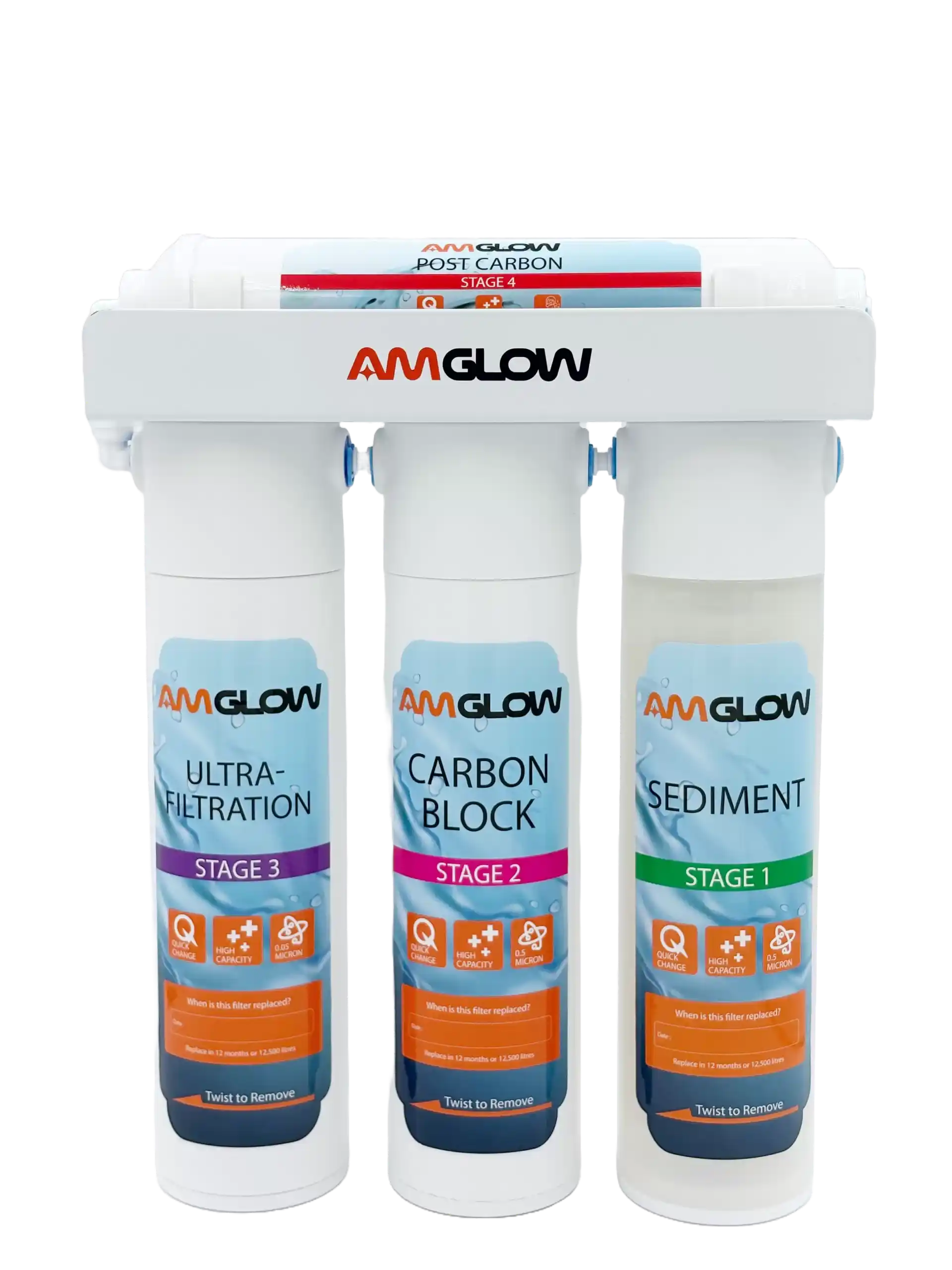
What Is an Under-Sink Water Filter?
The system operates as a filtration unit which connects to the cold water supply line and functions from its location installed under the kitchen sink. The water filter system remains concealed because it operates from a built-in location.
The water supply goes through multiple filter cartridges, which then emerge from a special tap or, depending on the design, from the regular tap.
Singaporean water systems commonly implement multi-stage filtration systems, which typically combine sediment filters with activated carbon and sometimes include reverse osmosis or UV treatment as an additional filtration step.
Why Singapore Homes Are Choosing This Water Filter System
1. Better Taste and Smell
Tap water can sometimes have a slight chlorine taste that affects how it feels to drink.
- Removes chlorine and odour instantly
- Improves the flavour of drinking water and cooking
- Makes tea and coffee taste better
2. Cleaner and Safer Drinking Water
Even treated water may carry tiny particles that you cannot see. A filter adds an extra layer of protection for safer daily use.
- Reduces heavy metals and harmful residues
- Filters out microplastics and fine particles
- Helps improve overall water quality at home
3. Saves Space in Small Kitchens
Kitchen space matters, especially in compact Singapore homes. An under-sink system keeps your countertop neat and clutter-free.
- Hidden design keeps the kitchen organised
- No bulky units on the counter
- Ideal for small flats and apartments
4. Long-Term Cost Savings
Buying bottled water every week can become expensive over time. A filter system offers a one-time setup with lower ongoing costs.
- Cuts down spending on bottled water
- Reduces plastic waste at home
- Offers better value over the long run
How Does It Actually Work?
Water enters the filter unit through a feed line connected to your main cold water pipe. It passes through a series of cartridges — each one targeting different contaminants — before reaching your tap.
Common filtration stages are as follows:
Stage 1: Sediment Filter
This process eliminates rust, sand, and dirt particles from the water. This process protects the filters which operate after this stage.
Stage 2: Activated Carbon Block
The process removes chlorine and chloramine together with all unpleasant taste and smell. The majority of taste enhancement occurs from this stage.
Stage 3: Post Carbon or Membrane
The system uses a reverse osmosis membrane to achieve more advanced water purification, which eliminates dissolved solids, heavy metals and fluoride.
Not all systems have three stages. Some have two, some have five.
Under Sink Water Filter Cost in Singapore
Here’s an honest breakdown:
| Model | Discounted Price | Original Price |
| 4-stage system | SGD $428 | SGD $800 |
| 5-stage system | SGD $458 | SGD $850 |
Installation typically costs an additional SGD 80–150 if you hire a plumber. Some brands include installation in their package deals.
Installation Guide: Step-by-Step
Most people believe that they need to spend time and effort to complete the task of installing an under-sink water filter system.
Step 1: Turn Off Water Supply
The main valve needs to be turned off because this action stops water flow, which protects your work area from leaks and maintains operating safety.
Step 2: Connect the Filter Unit
The filter needs to be connected to the cold water line through the use of supplied fittings. The system needs all connections to be secure because any loose parts will result in drips during operation.
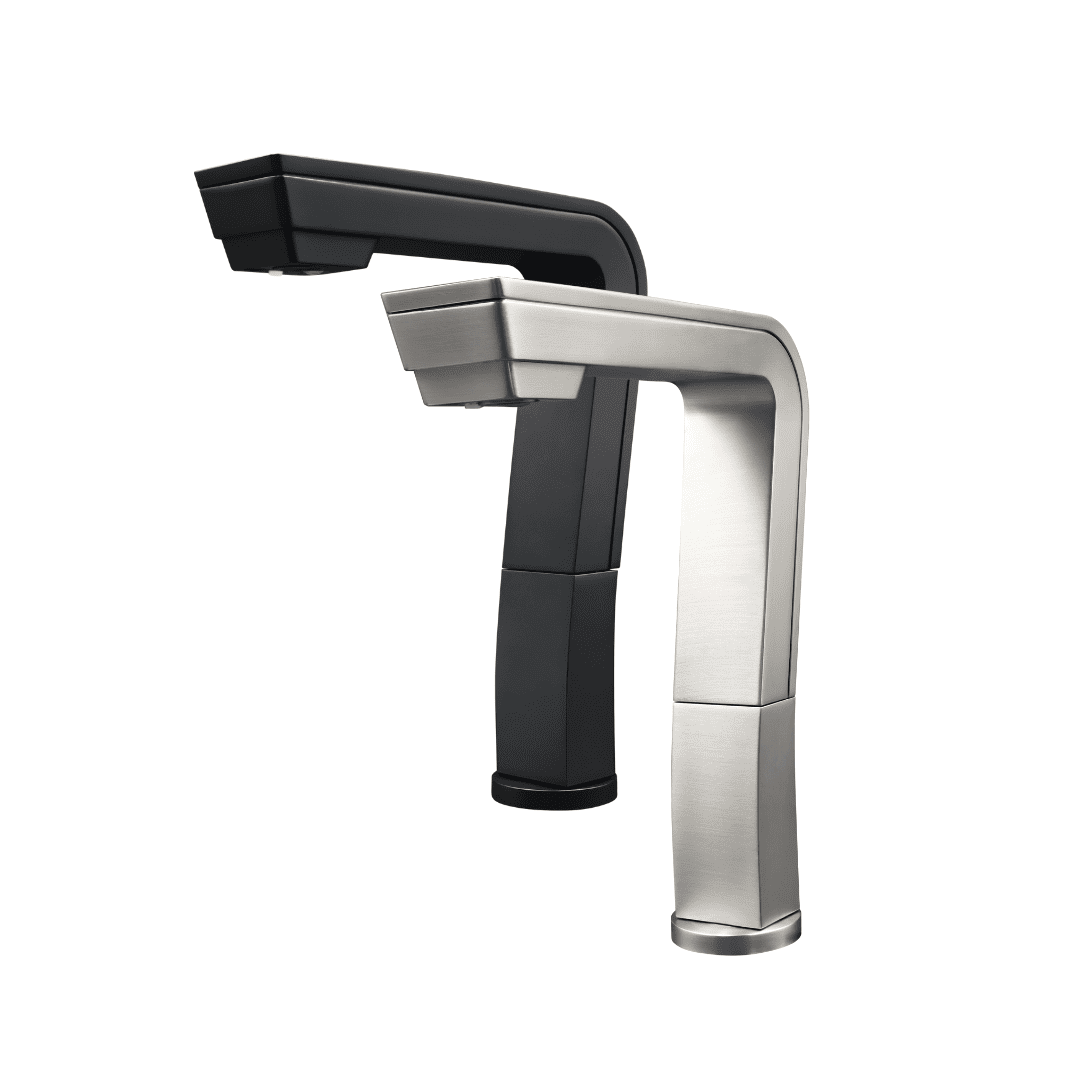
Step 3: Install the Faucet
You need to install the separate faucet at your sink or countertop location. Use a drill to create a small opening which will let you install the tap securely at its designated position.
Step 4: Check for Leaks
You should turn on the water supply after installation by opening the valve progressively. You need to examine all connections because water might escape through any loose parts, which require tightening.
Step 5: Flush the System
The system requires water to run continuously for several minutes before it becomes usable. The process removes carbon dust from the system while it prepares the filter to provide clean drinking water.
What to Look for When Buying
Not all under-sink water filters are the same. Here’s what matters:
- Certifications: Look for NSF/ANSI certification. NSF 42 covers aesthetic effects (taste, odour). NSF 58 covers reverse osmosis. The certifications show that the filter has undergone independent testing.
- Flow Rate: A good system should deliver at least 1.5–2 litres per minute. Some RO systems operate at reduced speed, which works for glass filling but does not work for pot filling.
- Filter Lifespan and Availability: Check how often cartridges need replacing and whether they are easy to find locally or from the brand’s Singapore distributor.
- Warranty: Most reputable brands offer 1–3 years. The product provides information about its construction standards.
Is Reverse Osmosis Worth It in Singapore?
RO systems operate at maximum efficiency because they eliminate more than 99 per cent of all dissolved solids, heavy metal contaminants and all microbial life. The system removes essential minerals such as calcium and magnesium from the water while generating wastewater during its operation.
Most Singaporean homes require only a basic activated carbon-based system, which serves their needs. People should choose RO systems for their homes when someone in the household needs medical treatment or when they reside in buildings with outdated plumbing systems.
Final Thoughts
An under-sink water filter in Singapore is a practical upgrade — not a luxury. It enhances the taste of water while decreasing the need for bottled water and operates silently without occupying any visible area. The initial expense recovers its value throughout time, especially for customers who already purchase bottled water or dispenser water.
Begin by choosing which factor you consider most important between taste enhancement and advanced filtration. Then match that to your budget and kitchen setup.
FAQs
Is tap water in Singapore safe without a filter?
The drinking water from PUB tap stations in Singapore meets WHO drinking water standards for safety. People use filters to enhance their drinking experience because they want to control their taste and odour preferences and achieve extra security.
How often do I need to replace the filter?
The lifespan of cartridges extends from six months to twelve months based on how frequently they are used. Some brands include replacement reminders. The manufacturer’s schedule provides the most effective results which users should follow.
Can I install an under-sink water filter in an HDB flat?
Yes. Many HDB residents use them. The dedicated tap requires you to create a small opening which connects the sink to the tap. If you are renting your property, use your landlord as your first point of contact.
What distinguishes a water filter from a water purifier?
A filter removes particles and chlorine while it eliminates certain contaminants. A purifier uses RO or UV technology to eliminate both dissolved solids and microorganisms. For Singapore tap water, a filter is usually sufficient.
Do under-sink filters remove fluoride?
Standard carbon filters do not remove fluoride. Only reverse osmosis systems effectively reduce fluoride levels. If this is a concern, choose an RO system.
