


Clean drinking water keeps daily life smooth at home or work. Many people pick between large and small dispensers based on the space available. Each type serves a clear role, yet the right fit depends on your routine or layout. A floor standing water dispenser in Singapore fits spaces that need a steady flow or higher capacity. On the other hand, smaller units suit tight areas with light use. This guide breaks down both options in a simple way, so you can choose the one that matches your needs with ease.

What Is a Floor-Standing Water Dispenser
Similarly, a floor-standing unit stands tall or rests on the ground. Therefore, it stores larger bottles to bring more features into one system.
Key Benefits
- Holds more water, so you refill less often.
- Fits well in offices or large homes.
- Offers hot or cold water.
- Stands firm without a table.
Points to Consider
- Needs more floor space.
- Feels heavy to shift.
- May crowd small rooms.
What Is a Tabletop Water Dispenser
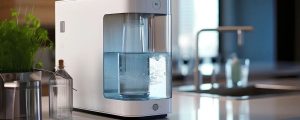
As well as, a tabletop water dispenser in Singapore sits on a counter or table. At the same time, it suits small spaces to keep water within easy reach.
Key Benefits
- Even saves space in compact areas.
- While easy to lift or place.
- Even works well for small families.
- While quick to install.
Points to Consider
- Holds less water.
- Needs a strong base.
- Needs frequent refills.
Design and Aesthetic Appeal
The look of your dispenser shapes the feel of your space. As well as a tall unit adds presence, while a small unit blends in.
Floor Standing Design
- Creates a bold or neat look.
- Fits modern offices or open kitchens.
- Covers the water bottle in many designs.
Tabletop Design
- Blends into kitchen counters.
- Feels light or neat.
- Works well in small flats.
Space and Placement
While space plays a big role in your choice. In contrast, a floor model claims more room, yet it stands alone. In contrast, a tabletop water dispenser in Singapore needs a steady surface.
- Choose a floor-standing if you have open space.
- Pick a tabletop if your area feels tight.
Usage or Capacity
Think about your daily water use. Therefore, a large group will need more water each day.
For Large Households or Offices
- Floor units store more water.
- Reduce refill frequency.
- Support heavy daily use.
For Small Families
- Tabletop units meet light use.
- Save effort or space.
- Keep things simple.
Ease of Use
Therefore, both types work in a simple way. Still, design shapes how you interact with them.
- Floor models cut down on bending.
- Tabletop models keep controls within reach.
- Both offer smooth water flow.
Installation Process
The setup should feel quick or clear. Therefore, each type brings a slightly different process.
Floor Standing Setup
- Place the unit on a flat floor.
- Fit the bottle on top or inside.
- Plug into a power source.
Tabletop Setup
- Set the unit on a firm counter.
- Attach the water bottle.
- Connect to power.
Maintenance and Cleaning
Clean units keep water fresh or safe. While regular care keeps them in good shape.
Cleaning Tips
- Wipe the outer surface often.
- Clean the taps or tray.
- Replace water bottles on time.
Maintenance Differences
- Larger units take more effort to clean.
- Smaller units clean faster or with ease.
Energy Use or Efficiency
Energy use matters in daily life. Therefore, some models draw more power due to added features.
Floor Standing Units
- Often includes cooling or heating systems.
- Use more power due to size.
Tabletop Units
- Use less energy in many cases.
- Fit simple needs with ease.
Safety Features
Safety plays a key role, especially in homes with children. At the same time, many dispensers include built-in features.
Common Safety Elements
- Child lock for hot water taps.
- Stable base to prevent tipping.
- Leak control systems.
Portability and Flexibility
Movement or flexibility can shape your choice. Therefore, some units stay fixed, while others move with ease.
- Floor units stay in one place.
- Tabletop units move with little effort.
- Smaller size adds flexibility.
Cost Considerations
While price varies, size or features often affect the overall cost.
What Affects Cost
- Size of the unit.
- Cooling or heating features.
- Build quality or design.
A larger unit may need a higher budget. However, a smaller unit suits basic needs.
Environmental Impact
Many users now think about the planet. In short, your choice can affect waste or energy use.
Eco-Friendly Points
- Choose energy-saving models.
- Use reusable water bottles.
- Maintain units to extend life.
Durability and Build Quality
A strong build keeps your dispenser running for a long time. In short, some units handle daily use with ease, while others suit light use. Therefore, choosing a sturdy design helps prevent damage to keeps your water safe.
What to Look For
- Tough outer body that resists cracks.
- A firm base that stops shaking.
- Quality taps that block leaks.
- Parts that endure regular use
Noise Levels During Operation
Some dispensers hum or buzz while they cool or heat water. In contrast, these sounds may disturb quiet spaces like bedrooms or study areas.
Things to Consider
- Quiet systems for calm rooms.
- Low vibration during use.
- Smooth water flow without noise.
- Placement away from rest areas
User-Friendly Controls
Simple controls make daily use easy for everyone. Therefore, clear buttons or smooth taps help users of all ages.
Helpful Features
- Easy-to-press buttons.
- Clear labels for hot or cold water.
- Smooth tap movement.
- Quick response when pressed.
Water Temperature Options
Different users prefer different water temperatures. At the same time, some need hot water for drinks, while others want cool water on warm days.
Common Options
- Hot water for tea or coffee.
- Cold water for refreshment.
- Normal water for daily use.
- Fast temperature change.
Suitability for Different Settings
Each space needs a different type of dispenser. Therefore, the right choice depends on how or where you plan to use it.
Best Fit Areas
- Offices with many users.
- Homes with limited space.
- Pantry or kitchen corners.
- Shared spaces with steady use.
Final Thoughts
Choosing the right dispenser comes down to your space, use, or comfort. Some people need higher capacity, while others prefer compact or easy-to-move designs. A floor standing water dispenser in Singapore suits busy homes to shared spaces that need constant access. In contrast, smaller units fit quiet homes with limited space. Both options give clean water without fuss. In the end, your daily habits will shape your choice, so pick the one that blends well with your routine to keep life simple.
FAQs
- Which type suits a small kitchen best?
A compact unit fits small kitchens with ease. It sits on a counter or saves floor space. It also moves with little effort, which makes it a smart pick for tight areas.
- How often should I clean a water dispenser?
You should clean your dispenser every few weeks. Regular cleaning keeps the water fresh or safe. It also helps the unit run smoothly to stop the build-up inside the system.
- Can children use these dispensers safely?
Yes, many dispensers include safety locks on hot water taps. These locks help prevent burns. Still, adults should guide young children during use to ensure safe handling.
- Which option works better for office use?
Larger units suit offices with many users. They store more water or cut down on refill needs. This keeps water ready during busy hours without frequent changes.
- Do these dispensers need electricity to work?
Most dispensers need electricity to cool or heat water. However, some simple models work without power or only give water at room temperature. Choose based on your daily needs.
