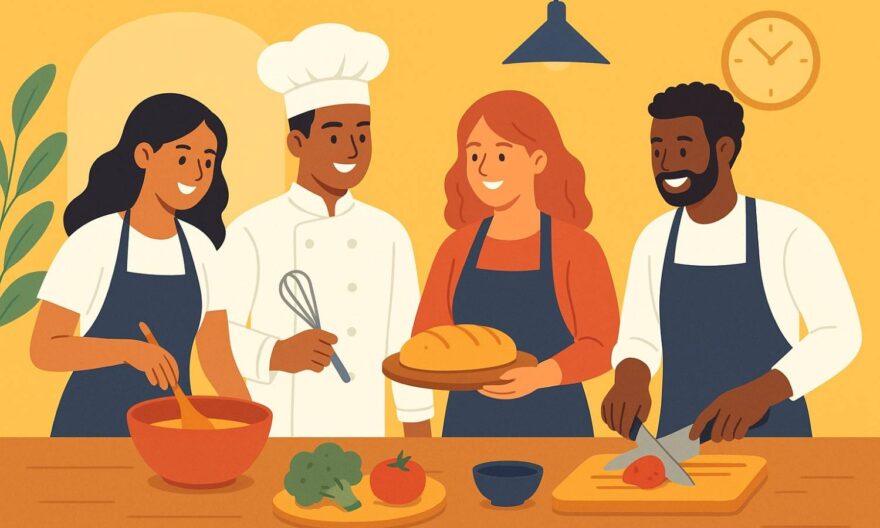
The work landscape shifts at a rapid pace, and many teams search for fresh ways to strengthen unity. Organisations look for shared moments that feel natural, thoughtful, and full of purpose. These needs guide more leaders towards new experiences that lift energy and ignite cooperation. In the middle of this shift, culinary team building rises as a warm and expressive choice that supports genuine teamwork.
People crave simple moments that allow them to connect without pressure. Kitchens create settings that invite natural talk, quick decisions, creative thinking, and joyful interaction. These elements fit modern teamwork needs, so more companies value this lively approach and explore how it strengthens groups without strain.
How Kitchens Create a Strong Foundation for Connection?
Spaces shape behaviour, so teams thrive in warm and active environments. Kitchens spark movement and encourage lively discussions. People chop, stir, and taste together, so barriers melt away with ease. Every small action draws groups closer because they share a goal and push towards it with steady focus. Company leaders notice these benefits and integrate cooking activities into broader plans for company team building.
1. Natural Interaction Fuels Trust
Groups grow stronger when they listen, respond, and support one another. Cooking tasks invite these behaviours through constant action. A team stirs sauces, checks flavours, swaps ideas, and fixes small issues. These moments create trust because people depend on each other without stress. Everyone contributes, so every voice holds value.
2. Shared Tasks Encourage Cooperation
Challenging moments in the kitchen push groups to act quickly and stay coordinated. Team members assign roles, solve challenges, and combine strengths. These tasks sharpen problem-solving skills in a fun setting, so teams walk away with stronger unity. Many leaders recognise this natural cooperation and consider it a clever addition to their long-term plans for culinary team building.
Creativity Emerges in a Kitchen Setting
Kitchens support creative thought because flavours, textures, and techniques encourage experimentation. Groups feel free to try bold ideas without fear of judgment. They adjust spices, invent combinations, or reshape a dish until it feels right. These actions reflect the creative energy that companies want in their work culture.
1. Innovation Thrives Through Exploration
People spark new ideas when they explore different methods. Cooking offers countless paths, so teams stretch their imagination and unlock new ways of thinking. Every trial brings a fresh insight, and these insights follow them back into workplace projects.
2. Teams Celebrate Unique Strengths
Every person brings a special touch to the table. Some guide the group, some take control of timing, and others refine flavours. These differences strengthen the whole group because everyone shines through their personal talent. This balanced approach aligns perfectly with goals in company team building, where leaders aim to celebrate diverse skills.
A Kitchen Environment Supports Emotional Engagement
Food links to comfort, culture, and memory, so cooking taps into emotion. Emotions shape how people connect and trust, so this setting strengthens social bonds. Warm moments around a shared dish give teams a gentle path towards stronger unity.
1. Shared Wins Strengthen Morale
Groups enjoy a clear sense of accomplishment when they finish a dish together. Everyone takes part, so the final plate carries shared pride. This moment lifts morale and encourages teams to carry that energy forward.
2. Calm Rhythms Encourage Mindfulness
Cooking involves steady rhythms that slow busy minds. These rhythms help people stay present and appreciate the moment. Calm minds communicate better, so teams feel more open and grounded.
Clear Communication Shapes Successful Outcomes
Cooking demands clarity. Teams speak directly, listen closely, and follow steps with focus. They adapt when heat rises or time shortens. These patterns strengthen workplace communication skills without creating pressure.
1. Quick Exchanges Improve Understanding
Team members learn how to share information fast. They describe flavours, explain tasks, and voice suggestions. These exchanges improve group understanding and reduce confusion.
2. Structured Steps Support Smooth Flow
Recipes follow sequences, so teams learn to move with order. They plan, prepare, and cook in clear stages. Structured tasks help teams refine their workflow, which supports future projects in the workplace.
A Table Helps Show Team Roles
Teams need clear roles to work well. Cooking experiences highlight natural roles because people respond to tasks in different ways. Before looking at a short table, it helps to note why this matters. Role awareness gives teams confidence because every person understands their place and contributions.
Role Mapping Overview
The table below shows simple roles that often appear during cooking tasks.
| Role Type | Main Action | Benefit to the Team |
| Planner | Outlines steps | Creates clear direction |
| Cook | Manages heat and timing | Maintains steady progress |
| Taster | Checks flavour balance | Guides improvement decisions |
| Supporter | Prepares tools and ingredients | Keeps workflow smooth |
Why Culinary Tasks Fit Modern Work Culture?
Modern teams value flexibility, creativity, and human warmth. Cooking sessions offer all these qualities in one place. People lean into quick decisions and enjoy spontaneous fun, so the experience feels natural rather than forced.
1. Flexible Tasks Match Diverse Teams
Teams of all sizes and skill levels can join kitchen tasks without difficulty. Cooking welcomes beginners and experts alike, so everyone enjoys the process. This flexibility supports growing interest in culinary team building, which fits many styles of work culture.
2. Group Energy Rises Through Shared Purpose
Everyone moves with a shared purpose, so energy builds throughout the session. This unity creates momentum that carries forward. Strong energy supports long-term success and keeps teams motivated.
Long-Term Impact on Team Dynamics
Cooking sessions shape group behaviour long after the event ends. Clear communication, trust, and creativity follow teams back into daily work. These lasting effects make the approach suitable for ongoing company team building initiatives.
1. People Build Stronger Bonds
Shared experiences build emotional ties. These ties help teams handle challenges with confidence. Strong bonds also improve cooperation during busy periods.
2. Groups Strengthen Problem-Solving Skills
Kitchen tasks challenge teams to think fast. These moments sharpen decision-making and create smoother workflows later. Teams approach future tasks with clearer strategies because they understand how to operate together.
Conclusion
Culinary activities offer a thoughtful path towards stronger cooperation and communication. Teams grow through shared actions, lively conversations, and creative decisions. Cooking experiences lift morale and strengthen relationships, so many leaders view them as effective tools for modern company team building. This approach supports unity, emotional connection, and innovative thought, which makes it a leading choice for today’s workplaces.
FAQs
- Why do cooking activities help teams grow faster?
Cooking tasks demand teamwork, active talk, and fast decisions. These moments help groups connect and trust each other with ease.
- How do kitchen tasks support creativity at work?
Cooking encourages experimentation. Teams try bold ideas and learn to shape new outcomes, which improves creative thinking in daily projects.
- Do groups of different sizes benefit from cooking sessions?
Yes. Kitchens welcome groups of all sizes because tasks scale with ease. Every team member finds a role that supports the final dish.
- How does cooking improve communication skills?
Teams need clear talk during cooking, so they practise direct and organised communication. This skill helps them work smoothly in future tasks.