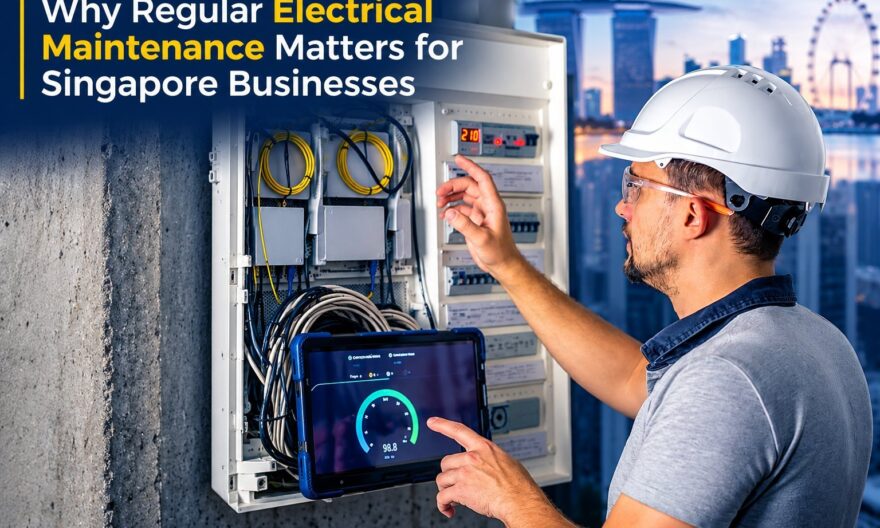
Regular electrical maintenance helps businesses prevent unexpected breakdowns, reduce fire hazards, and avoid costly emergency repairs. For commercial properties, scheduled inspections by qualified professionals ensure that wiring, switchboards, and electrical systems meet safety standards. Preventive maintenance identifies faults early, extends equipment lifespan, and keeps operations running without disruption.
If you manage a commercial property in Singapore, electrical issues are rarely dramatic until they become expensive. A tripped breaker or flickering light may seem minor, but these are often early warning signs of deeper faults. Investing in professional electrical technician services on a scheduled basis is one of the most cost-effective decisions a facility manager can make.
The Real Cost of Ignoring Electrical Maintenance
Unplanned electrical failures do not just cause inconvenience. They stop production, delay services, and damage equipment. According to the Singapore Civil Defence Force (SCDF), electrical faults remain one of the leading causes of fire incidents in commercial and industrial buildings in Singapore. Many of these incidents are preventable with routine inspection and servicing.
Beyond fire risk, consider the operational impact. A business forced to shut down due to an electrical fault faces lost revenue, potential data loss, and reputational damage. Emergency repair callouts also cost significantly more than scheduled maintenance visits. The economics are straightforward: prevention is cheaper than cure.
What Commercial Electrical Maintenance Actually Covers
Many business owners assume maintenance just means checking that the lights work. In practice, a proper commercial electrical maintenance programme covers a much wider scope.
Routine Inspection and Testing
A qualified electrical technician will inspect distribution boards, wiring insulation, circuit breakers, and earthing systems. Testing ensures that safety devices such as residual current devices (RCDs) respond correctly to faults. These checks should be carried out at regular intervals, typically every six to twelve months depending on building usage and equipment load.
Thermal Imaging and Fault Detection
Modern maintenance programmes use thermal imaging cameras to detect hotspots in electrical panels and wiring before they escalate. Overheating connections are invisible to the naked eye but measurable with the right tools. Catching these early prevents equipment failure and significantly reduces fire risk.
Switchboard and Panel Servicing
Loose connections, corroded terminals, and worn-out breakers are common findings in commercial switchboards. Left unaddressed, these lead to voltage fluctuations that damage sensitive equipment like servers, air-conditioning units, and manufacturing machinery. Regular servicing keeps panels operating within safe parameters.
Electrical Safety Regulations in Singapore
In Singapore, electrical installations in commercial premises are regulated under the Electricity Act and overseen by the Energy Market Authority (EMA). Businesses are required to ensure their electrical systems are maintained in a safe condition. Certain categories of electrical work must be carried out or supervised by licensed electrical workers (LEWs).
Failing to maintain compliant electrical systems can result in penalties, and more critically, it places staff and customers at risk. Working with a registered contractor who holds the appropriate EMA licences ensures your business stays on the right side of compliance without you having to navigate the regulatory details yourself.
How Preventive Maintenance Reduces Downtime
Downtime in a commercial setting is rarely just about the hours lost. It cascades. A retail business losing power during peak hours, a warehouse unable to operate its loading systems, or an office without air conditioning in Singapore’s heat each scenario has measurable cost implications.
Preventive maintenance addresses this through structured scheduling. Instead of reacting to failures, your electrical systems are inspected, tested, and serviced before problems develop. The outcome is predictable and predictable is exactly what a business needs.
Here is a simple comparison of reactive versus preventive approaches:
| Factor | Reactive Maintenance | Preventive Maintenance |
|---|---|---|
|
Cost |
High (emergency callouts) | Lower (scheduled servicing) |
|
Downtime |
Unplanned, often extended | Minimal, planned if any |
| Equipment lifespan | Shortened by repeated stress | Extended through early fault correction |
| Safety risk | Higher — faults go undetected |
Lower — issues caught early |
| Compliance | Often reactive and inconsistent |
Documented and audit-ready |
Signs Your Commercial Premises Needs an Electrical Inspection Now
Do not wait for a fault to book a service. Watch for these indicators:
- Frequent tripping of circuit breakers
- Flickering or dimming lights under normal load
- Unusual humming or buzzing from panels or outlets
- Burning smell near switchboards or sockets
- Power fluctuations affecting office equipment or machinery
- Electrical installations older than ten years without a formal inspection
Any one of these warrants a call to a licensed electrical technician. Two or more together should be treated as urgent.
Choosing the Right Electrical Maintenance Services in Singapore
Not all providers are equal. When selecting electrical maintenance services in Singapore, look for contractors who employ EMA-licensed electrical workers, carry appropriate insurance, and can provide service records and maintenance reports. Transparency matters you should receive clear documentation of every inspection, test result, and repair carried out on your premises.
Experience in commercial environments is also essential. Maintaining a shophouse, a data centre, or a food and beverage outlet each requires different technical knowledge. A generalist who handles only residential work may not be equipped to service industrial-grade switchgear or three-phase systems.
Building a Maintenance Schedule That Works for Your Business
A good maintenance schedule is built around your operational profile, not a generic calendar. High-usage environments manufacturing floors, commercial kitchens, server rooms need more frequent inspection than a low-traffic office. Your electrical contractor should assess your premises and recommend a servicing frequency that balances protection with cost-efficiency.
Annual maintenance contracts offer the added benefit of priority response if an emergency does occur. You are not starting from zero when something goes wrong at 11pm on a weekday your contractor already knows your system.
Tayeng Services brings hands-on commercial electrical expertise to businesses across Singapore. Whether you need a one-off inspection or an ongoing maintenance agreement, the team is equipped to keep your electrical systems compliant, safe, and performing reliably so you can focus on running your business rather than worrying about what is behind the switchboard.
Frequently Asked Questions
How often should commercial electrical systems be inspected in Singapore?
Most commercial premises benefit from an inspection every six to twelve months. High-load environments like industrial facilities or commercial kitchens may need quarterly checks. Your licensed electrical contractor can recommend a frequency based on your specific building usage and equipment type.
Is electrical maintenance a legal requirement for businesses in Singapore?
Yes. Under Singapore’s Electricity Act, businesses are responsible for maintaining their electrical installations in a safe condition. Certain work must be carried out by EMA-licensed electrical workers. Non-compliance can result in penalties and, more critically, increased risk to occupants and staff.
What is the difference between electrical maintenance and electrical repairs?
Maintenance is scheduled, proactive servicing aimed at preventing faults before they occur. Repairs are reactive — they fix problems after failure. Maintenance reduces the frequency and severity of repairs, lowers overall costs, and keeps your operations running without unplanned interruptions.
Can poor electrical maintenance affect my business insurance?
Yes, it can. If an electrical fire or fault occurs and investigations reveal a lack of documented maintenance, insurers may reduce or deny claims. Keeping service records from a licensed contractor demonstrates due diligence and supports your position in the event of an incident.
What qualifications should an electrical contractor in Singapore have?
Look for contractors registered with the Energy Market Authority (EMA) and whose workers hold valid Licensed Electrical Worker (LEW) credentials. The contractor should also carry public liability insurance and be able to provide documented service reports for every maintenance visit completed.
How do I know if my business needs electrical maintenance urgently?
Frequent breaker trips, burning smells near panels, flickering lights, or equipment behaving erratically are all warning signs. If your installation has not been formally inspected in over two years, treat it as overdue. Schedule a professional assessment rather than waiting for a fault to force the issue.