

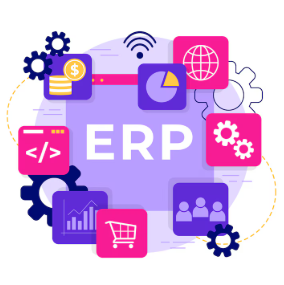
Business owners in Malaysia face a constant challenge — how to run lean, stay productive, and respond quickly to change. This is where ERP Malaysia solutions enter the picture. Enterprise Resource Planning, or ERP, brings different business processes under one roof. It combines finance, inventory, sales, procurement, and even HR into a single system.
Many Malaysian firms, from manufacturers to retail chains, already rely on ERP. They see fewer delays, clearer reporting, and smoother teamwork. So what exactly can businesses gain from ERP, and why is the shift gaining pace now?
This article explores the business outcomes of ERP use in Malaysia. It explains how ERP supports daily operations, reduces cost, and improves decisions — all while staying practical and easy to understand.
A Single Source of Truth
One major advantage of ERP lies in its ability to centralise information. Instead of using many disconnected spreadsheets, companies store data in one system. That means every department works with the same numbers.
1. Better Visibility
- Managers see live updates on sales, stock, orders, and budgets. They don’t wait for reports or chase data across teams. This helps them act fast and fix problems before they grow.
2. Stronger Collaboration
- Teams across departments work better together. Sales staff know what’s in stock. Finance sees expenses as they happen. HR tracks hiring and training with ease.
This shift to shared data builds trust and cuts confusion.
Improved Efficiency Across the Board
ERP systems bring structure to messy processes. Every task gets tracked, from invoice generation to machine maintenance. No one needs to guess what happens next.
1. Faster Workflows
- ERP systems map out clear steps for every job. Users log in, follow prompts, and complete tasks faster. With fewer manual steps, staff finish more work each day.
2. Less Repetition
- Many tasks in business repeat: entering order details, checking stock, updating ledgers. ERP software automates these steps. That frees up time for thinking, planning, and solving problems.
Better Inventory and Procurement Control
Stock mismanagement can drain profits. Overstocking wastes space. Understocking halts delivery. ERP software tackles both issues.
1. Smarter Forecasting
- ERP tools show past sales, current demand, and expected orders. With that data, businesses predict future needs more accurately. They order the right amount, at the right time.
2. Fewer Lost Sales
- When sales teams know what’s in stock, they promise customers the right products. Orders move fast, and clients stay happy.
Clearer Financial Reporting
Finance teams rely on fast, clean data. ERP systems give them exactly that. When sales, purchasing, and payroll flow through the same system, reports build themselves.
1. Live Dashboards
- ERP software displays cash flow, spending, income, and profit in real-time. Teams no longer wait for month-end to understand the business health.
2. Easier Audits
- Every transaction gets logged. That makes it simple to trace records, explain expenses, and answer audit queries.
Stronger Compliance and Security
Malaysian businesses follow many rules — tax, labour, safety, and trade. ERP tools help track compliance. They store forms, schedule inspections, and alert users to missed steps.
1. Controlled Access
- Not everyone needs to see everything. ERP lets you define who sees what. That protects sensitive data and lowers risk.
2. Reliable Backups
- ERP systems often include regular backups and disaster recovery features. If something breaks, your data stays safe.
Practical Benefits in Malaysian Industries
Different sectors benefit in different ways. Below is a simple comparison of how ERP helps some key industries in Malaysia.
ERP in Action Across Sectors
| Industry | ERP Advantage |
| Manufacturing | Tracks materials, machine usage, and output |
| Retail | Manages stock across outlets, tracks customer flow |
| Construction | Connects project planning with budget control |
| Services | Schedules staff, tracks time, manages billing |
| Wholesale/Distribution | Follows inventory, orders, and logistics |
Each sector adapts ERP to fit its flow. An ERP Malaysia solution often comes with features suited to local tax laws, languages, and business habits.
Support for Growth and Change
As a business grows, it needs systems that scale. ERP supports that. You add users, features, and branches without overhauling your tools.
1. New Branches or Teams
- Adding a new location or department becomes easier. Everyone logs into the same system. You avoid silos and keep operations united.
2. Evolving Business Models
- If a retailer starts selling online, or a service firm adds training packages, ERP systems adapt. They handle new types of sales, products, and invoices.
Better Customer Experience
ERP software doesn’t just help staff — it helps clients too. When service runs smoothly, customers notice.
1. Faster Order Processing
- Orders move through the system without delay. Invoices match deliveries. Clients receive updates and get support quickly.
2. Improved Accuracy
- Data entered once flows across all departments. That cuts down on errors, missed deliveries, and double entries.
Real-time Decision-Making
Business leaders need clear data to make sharp decisions. ERP systems present that data in easy formats.
With access to dashboards, charts, and alerts, decision-makers spot problems or chances early. They act fast and with full context.
Challenges That ERP Helps Solve
ERP systems solve common pain points for Malaysian firms. If you face any of the issues below, an ERP tool may help.
When to Consider ERP:
- Staff duplicate work across spreadsheets
- Managers wait days for reports
- Stock often runs out or sits idle
- Invoices go out late
- Departments blame each other for mistakes
- Do you plan to grow or expand soon
If these sound familiar, ERP Malaysia solutions offer a way forward.
How to Begin with ERP?
Getting started doesn’t mean overhauling everything at once. Many firms begin with finance and stock, then add sales, HR, or maintenance later.
Pick modules that matter most now. Roll them out step by step.
Work with partners who understand your local needs. They’ll help map your process, train your team, and support long-term use.
Final Thoughts
Business owners want speed, clarity, and control. ERP provides those benefits. It unites departments, removes clutter, and shows what’s working.
In Malaysia’s fast-changing market, companies need tools that support both stability and change. That’s why more firms turn to ERP — not just for software, but for structure.
Whether you manage stock, lead a team or balance accounts, ERP helps you do it better. With the right partner and a solid plan, ERP Malaysia solutions turn daily tasks into sharp, smooth processes — and deliver results you can measure.
FAQ’s
1. What is ERP, and why does it matter for Malaysian businesses?
ERP stands for Enterprise Resource Planning. It refers to software that integrates business processes like accounting, inventory, sales, and human resources into one system. For Malaysian companies, this creates better visibility, faster decision-making, and less reliance on manual work.
2. Can ERP systems help with remote or hybrid work setups?
Yes. Many ERP Malaysia providers offer cloud access, enabling teams to view data and manage workflows remotely. This supports flexible work arrangements, which have become common in Malaysia post-pandemic.
3. Is ERP only for large companies in Malaysia?
No. While large enterprises often adopt ERP first, many small and medium-sized businesses in Malaysia now use ERP solutions designed for their scale. Cloud-based ERP systems offer flexibility without heavy upfront costs.