


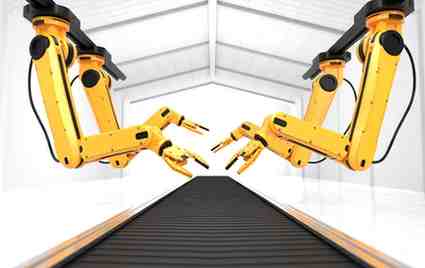
Warehouses and factories always need to move goods faster. Stacking heavy boxes by hand makes workers tired and slows things down. Businesses now look for smarter ways to handle these tasks. A robotic palletizer offers a fix that never stops working. This machine takes over the boring job of putting products onto pallets. Companies that use this tech gain a clear edge over their rivals.
The move toward automation changes how shops run every day. Instead of using only people, smart machines do the hardest lifting. Tools like a robotic palletizer team up with belt movers to make work flow smoothly. This guide looks at why buying such gear makes good sense for a business. Each part shows a different gain that helps the bottom line. Knowing these facts helps bosses make smart picks for their shops.
Getting More Done Without New Hires
Work lines often slow down when workers get tired. Machines keep the same pace hour after hour. One unit can stack hundreds of boxes in a single shift. This steady pace lets output grow without bringing in more people.
- Speed stays the same from start to finish.
- Switching between product types happens fast.
- The system runs all night without anyone watching.
Buying a robotic palletiser usually pays for itself through more work done. Shops see more goods leaving the floor each day. Bosses move staff to skilled jobs that add more value.
Cutting Down on Work Injuries
Lifting heavy items again and again hurts backs and shoulders. Stacking by hand ranks among the jobs that cause the most injuries. Auto systems pull workers out of this risky task. Firms save on doctor bills and days off.
- Body strain eases when people do lighter tasks.
- Insurance costs may drop with fewer claims.
- Worker spirits rise when safety gets better.
A robotic palletiser lifts the heaviest loads without a fuss. Workers like having less physical stress in their jobs. People stay longer at the job after adding such gear.
Making Better Use of Floor Space
Old stacking ways need wide paths for lift trucks. Auto systems fit into tighter spots. The robot arm reaches with care, letting gears sit closer together. Storage spots become more useful.
- Narrow paths free up more floor space.
- Taller stacks use space up high.
- Layouts get simpler with smoother material flow.
Pairing automation conveyor systems with stackers packs the whole job into less space. Shops make more goods inside the same walls. Moving to new buildings becomes less needed for many growing firms.
Keeping Pallet Stacks Steady
Each pallet must meet exact rules for shipping. People sometimes stack unevenly, causing loads to fall. Machines follow set patterns with perfect repeats. Each layer lines up just right with the one below.
- Neat stacks ship safely without shifting.
- Fewer goods get damaged reaching customers.
- Loading trucks goes faster with uniform pallets.
Setting up a robotic palletiser that handles different box sizes and weights. The system shifts on its own when moving between product lines. Steady work becomes the new norm across all output.
Main Gains from Auto Stacking
The table below sums up the key pluses for firms.
| Gain | Business Effect |
| More output | More goods are shipped each day |
| Fewer injuries | Lower health costs |
| Space saved | Better use of floor room |
| Steady stacks | Fewer damaged goods |
| Staff use | Workers move to skilled roles |
Using a robotic palletiser brings these clear results. Each gain builds on the others to make work stronger.
Handling Many Product Types
Makers put out boxes in all kinds of shapes and sizes. A flexible machine deals with this mix without new tools. Sensors spot each item’s size before stacking. The arm shifts its hold and placement as needed.
- Bags get soft handling to avoid tears.
- Odd-shaped cases stack safely with custom patterns.
- Many different items run one after another without stopping.
Programming a robotic palletizer stores hundreds of stacking styles. Workers pick the right one with a few screen taps. This range helps firms with many product types.
Using Less Power
New auto systems use energy better than old ways. Electric motors draw power only when moving. Hydraulic systems that run all the time are now old news. The result cuts power bills by a lot.
- Energy-saving drives catch power when slowing down.
- LED lights use very little power.
- Sleep modes turn on during idle times.
Automation conveyor systems also pack energy-saving tricks. Motors start and stop based on goods flow rather than running nonstop. Green factory goals become easier to hit.
Tracking Work and Spotting Issues
Smart machines log every move they make. Workers see records showing how many pallets each shift made. Systems flag when patterns go off track. This info helps find issues before they cause breaks.
- Work counts update right away.
- Fix alerts to guess when parts will wear out.
- Quality reports are sent to the boss’s systems.
Software for a robotic palletiser links with bigger factory data. Leaders see exactly where slow spots occur. Facts replace guesswork in making work better.
Growing Without Limits
Adding more work gets simpler when auto gear handles core tasks. Firms add extra shifts without hiring new staff. The same gear deals with higher loads with small changes. Growth happens without costs climbing as much.
- Add-on parts let the system grow with more arms.
- Software updates add new skills.
- Plans fit within current designs.
Spending on a robotic palletizer gets shops ready for years ahead. Tech changes, but the main gear keeps up. Firms put themselves in a position to grab new chances as they come.
Cutting Down on Broken Goods
Stacking by hand sometimes dents, scuffs, or drops items. Machines handle each piece with the same soft touch. Vacuum grips lift without squeezing. The result reaches customers in perfect shape.
- Fewer returns mean lower shipping costs.
- Buyer happiness grows with goods that arrive whole.
- Brand name gains from steady quality.
Automation conveyor systems move goods smoothly between steps. Gentle shifts stop jams that could harm items. Each touch point guards the goods.
Helping Staff Learn New Skills
Automation changes jobs rather than wiping them out. Staff move from boring stacking to running and fixing gear. These roles pay more and feel more fun. Workers pick up new skills that matter.
- Training plans build new know-how.
- Chances to move up keep staff keen.
- Young workers want modern workspaces.
Putting in a robotic palletiser creates career paths inside the firm. Staff feel proud to work with new tech. The workplace draws people who want to grow.
Conclusion
Buying auto stacking changes how warehouses run. A robotic palletiser boosts output while cutting harm and damage. Automation conveyor systems link up to make the workflow work with ease. These tools pay for themselves through more work and lower costs. For firms set to update their shops, Buildtech System gives the know-how to put these fixes in place. The choice to automate puts a firm on track for steady growth in busy markets.
Frequently Asked Questions
How long does it take to set up a robotic palletiser system?
Most setups finish within one to two weeks. Techs often work during weekends to keep workdays free. The system usually runs at full speed within days after finishing the setup.
Can a robotic palletiser handle different pallet sizes?
Yes, new units shift to various pallet sizes through software picks. Workers type in new pallet specs, and the system shifts on its own. This range meets changing buyer needs.
What training do current staff need to run these systems?
Workers usually learn basic use within a few days of hands-on drills. Advanced setup and fixes need more time to learn. Most makers give full training as part of the buy.
Do robotic palletizers need special floor prep?
Plain concrete floors with flat level surfaces work for these systems. Techs may put in base plates to keep things steady. Most shops already meet the floor specs needed.