

Professional office carpet cleaning goes far beyond what a vacuum can achieve. While vacuuming removes surface debris, it leaves behind embedded dirt, bacteria, allergens, and stains that accumulate deep within carpet fibres. Professional cleaning uses hot water extraction, carpet shampoo cleaning, or dry compound methods to break down and remove contaminants at a structural level — restoring appearance, hygiene, and indoor air quality.
If you manage a business space, you already know that a clean office reflects your brand. But many business owners rely solely on regular vacuuming and assume the job is done. It is not. Office carpet cleaning in Singapore done professionally involves equipment, technique, and expertise that no standard vacuum can replicate.
What Vacuuming Actually Does — and What It Misses
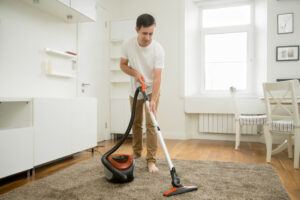
A vacuum cleaner picks up loose particles sitting at the surface of your carpet. Dust, crumbs, hair, and light debris — it handles these reasonably well. But carpet fibres are structured like a dense web. Over time, fine particles, bacteria, mold spores, and oils from foot traffic sink deep into the pile and bond with the fibres themselves.
Vacuuming cannot reach these layers. It also cannot:
- Remove dried liquid stains or coffee spills
- Eliminate odour-causing bacteria embedded in the backing
- Extract dust mites and allergens from deep within the fibre
- Restore compressed or matted carpet pile in high-traffic zones
- Sanitise the carpet surface to reduce microbial load
In a commercial environment where dozens of people walk across the same carpet daily, this build-up accelerates quickly. A conference room carpet that looks clean to the eye may carry thousands of bacteria per square centimetre beneath the surface.
How Professional Office Carpet Cleaning Works
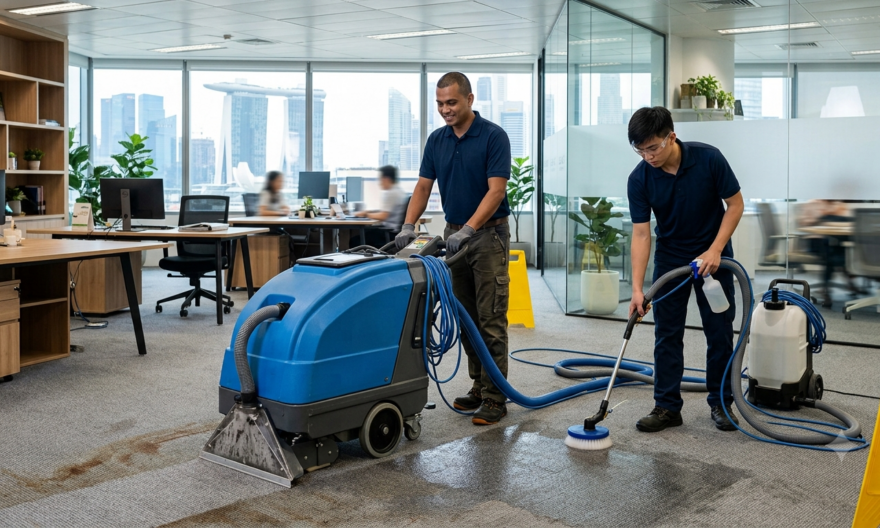
Professional cleaning services use multiple methods depending on carpet type, soil level, and business downtime requirements. Here is how each differs from a basic vacuum pass:
Hot Water Extraction (Steam Cleaning)
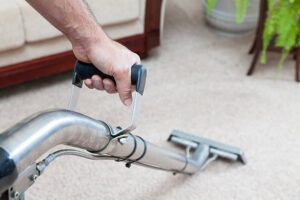
This is the most thorough method. High-temperature water is injected deep into the carpet pile under pressure, loosening embedded soil, bacteria, and contaminants. A powerful vacuum simultaneously extracts the water along with all dislodged debris. The heat also kills dust mites and reduces bacterial counts significantly.
Carpet Shampoo Cleaning
Carpet shampoo cleaning uses a specialised foaming detergent applied with rotary brushes. The agitation lifts stubborn stains and ground-in dirt that dry methods cannot touch. It is particularly effective for heavily soiled commercial carpets. After application, the residue is extracted, leaving fibres cleaner and revitalised.
Dry Compound Cleaning
For offices that cannot afford long drying times, dry cleaning uses an absorbent compound worked into the carpet with a brush machine. The compound binds to soil and is then vacuumed out. Carpets are ready for foot traffic within 30 to 45 minutes — ideal for 24-hour operations or businesses with tight schedules.
Office Carpet Cleaning vs. Routine Vacuuming: A Direct Comparison
| Factor | Routine Vacuuming | Professional Cleaning
|
|---|---|---|
| Soil removal depth | Surface only | Deep fibre and backing |
| Bacteria and allergen reduction | Minimal | Significant |
| Stain removal | None | Targeted treatment available |
| Odour elimination | None | Yes, through deep extraction |
| Carpet lifespan impact | Neutral to negative over time | Extends carpet life |
| Frequency needed | Daily or several times a week | Every 3–6 months commercially |
| Equipment required | Standard vacuum | Industrial-grade machines |
Why This Matters More in a Commercial Setting
In Singapore’s humid climate, carpets in commercial spaces face a compounding problem. High moisture levels accelerate mold growth within carpet fibres, especially in air-conditioned offices where condensation and humidity fluctuate. A carpet that is not deep cleaned regularly can become a hidden source of respiratory irritants and mold spores — directly affecting employee health and productivity.
The National Environment Agency (NEA) of Singapore highlights indoor air quality as a key consideration in commercial spaces. Poor air quality — which includes particulate matter released from dirty carpets — contributes to fatigue, respiratory issues, and reduced cognitive performance. Deep cleaning services address this at the source.
Beyond health, there is also a financial argument. Commercial carpets are a significant capital investment. Abrasive particles left in carpet fibres by infrequent cleaning act like sandpaper, grinding down fibre strands with every footstep. Regular professional cleaning removes these particles before they cause irreversible damage, extending the useful life of your flooring by years.
How Often Should Office Carpets Be Professionally Cleaned?
Frequency depends on foot traffic, industry type, and office size. As a general guide for commercial spaces in Singapore:
- Low-traffic offices (under 20 staff): Every 6 months
- Medium-traffic offices (20–80 staff): Every 3–4 months
- High-traffic areas (lobbies, corridors, meeting rooms): Every 6–8 weeks
- Food and beverage adjacent spaces: Monthly professional treatment recommended
Vacuuming should still happen daily or several times a week between professional visits. It controls surface debris and prevents excess soil from migrating deeper into the pile — but it is the maintenance step, not the solution.
Signs Your Office Carpet Needs Professional Attention Now
Do not wait for visible stains to book a professional clean. These signs indicate your carpet is overdue:
- A persistent musty or stale smell even after vacuuming
- Visible discolouration or grey toning in high-traffic pathways
- Matting or flattening of pile that does not recover after vacuuming
- Increased allergy symptoms or complaints from staff
- Visible spots or stains that have set into the fibre
Each of these points to contamination levels that no amount of vacuuming will resolve. At this stage, commercial carpet cleaning with professional-grade equipment is the only effective intervention.
What to Look for in a Professional Office Carpet Cleaning Service
Not all providers deliver the same result. When evaluating office carpet cleaning services in Singapore, look for the following:
- Use of commercial-grade hot water extraction or shampoo systems — not domestic-grade machines
- Pre-treatment of stains and high-traffic zones before the main clean
- Flexibility on working hours — after-hours or weekend scheduling to avoid disruption
- Trained technicians familiar with different carpet types (nylon, wool, polypropylene)
- Clear drying time estimates and aftercare guidance
For businesses in Singapore, Carpet Cleaning Singapore provides professional office carpet cleaning using industrial extraction systems designed for commercial environments. Their team handles everything from routine maintenance contracts to one-off deep cleans — with scheduling built around your business hours, not the other way around.
Frequently Asked Questions
How is professional carpet cleaning different from vacuuming?
Vacuuming only removes surface debris, while professional cleaning penetrates deep into carpet fibres using hot water extraction, shampoo systems, or dry compounds. It eliminates embedded bacteria, allergens, stains, and odours that vacuuming physically cannot reach, making it essential for maintaining hygiene standards in commercial spaces.
How often should office carpets be professionally cleaned in Singapore?
Most commercial offices in Singapore should schedule professional cleaning every 3 to 6 months, depending on foot traffic and usage. High-traffic zones such as lobbies and corridors benefit from more frequent treatment — every 6 to 8 weeks — to prevent rapid soil build-up and fibre degradation.
Is carpet shampoo cleaning suitable for all office carpets?
Carpet shampoo cleaning works well on most synthetic commercial carpets, especially where heavy soiling or staining is present. However, natural fibre carpets like wool may require a gentler method. A professional technician should assess the carpet type before selecting the most appropriate cleaning approach.
Can professional carpet cleaning improve indoor air quality in offices?
Yes. Carpets trap dust mites, mold spores, and fine particulate matter that degrade indoor air quality over time. Deep extraction cleaning removes these contaminants at the source, which can reduce respiratory irritants and support a healthier work environment — particularly important in Singapore’s humid, air-conditioned offices.
What is the drying time after professional office carpet cleaning?
Drying time varies by method. Hot water extraction typically takes 4 to 8 hours, while dry compound cleaning allows foot traffic within 30 to 45 minutes. Most professional services offer after-hours scheduling so carpets dry overnight and are fully ready by the start of the next business day.
Does regular professional cleaning extend carpet lifespan?
Yes. Abrasive soil particles left in carpet fibres grind down the pile with every footstep, causing premature wear. Professional cleaning removes these particles before they cause permanent damage, which can extend the lifespan of a commercial carpet by several years and delay costly replacement.