Teaching is one of the most rewarding jobs. Yet it can also be tough on the body. Many teachers spend hours standing, walking around classrooms, marking work, and sitting at desks. As a result, lower back pain has become a common problem in the profession.
What starts as a small ache after school can soon turn into daily discomfort. Many teachers ignore the warning signs until the pain affects their work, sleep, and quality of life.
With the right support, many teachers can reduce pain, improve movement, and prevent future problems. Physiotherapy for lower back pain is often one of the most effective ways to achieve this.
Why Lower Back Pain Is So Common Among Teachers
While teaching may not be physically strenuous, the daily tasks may subject your lower back to lots of stress.
- Lots of standing time: This may cause you to strain your body muscles, particularly your lower back.
- Constant bending and stretching: Consistently stretching and bending can cause strain in your back.
- Unfriendly classroom environment: Poorly designed chairs and screens can cause you some posture problems that may give rise to back pain.
- Long sitting time: The time spent correcting students’ assignments and lesson planning may strain your lower back.
How Physiotherapy for Lower Back Pain Helps Teachers
While many teachers may be looking for immediate solutions, the solution to their back pain lies in addressing its root cause.
An In-Depth Evaluation
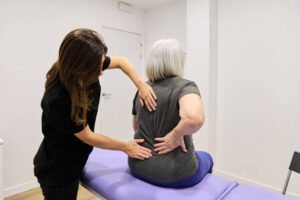
Each case of back pain is unique, and physiotherapy requires an evaluation of the patient’s posture, mobility, muscle strength and other aspects to determine the exact problem.
Tailored Treatment Programmes
Depending on the needs of the patient, treatment may consist of massage techniques, stretches, exercises, and recommendations to help improve their posture.
Increased Strength and Stability
Sometimes, weak abdominal muscles and muscles that support the back may contribute to back pain. Physiotherapy seeks to improve muscle strength and stability.
Physiotherapy for Lower Back Pain Teachers Can Benefit From
Teachers face physical demands that are unique to the profession. As a result, physiotherapy often focuses on practical strategies that can fit into a busy school day.
Classroom-Friendly Exercises
Basic exercises will allow you to decrease stiffness and ensure mobility in your back all day long. They can even be performed during short breaks between classes.
- Back extension in the standing position
- Hip stretching
- Core stabilisation exercises
Posture Education
Postural changes, however small, can have an impact on your back. A physiotherapist will help you spot postures that are contributing to excess stress.
- Modifying postures while writing on the board
- Changing the arrangement of your study table
- Using supportive seating
Return-to-Work Support
Teachers returning after a back injury must have a safe and gradual approach. Physiotherapy can help boost the teacher’s confidence without risking further injury.
- Activity Progression
- Motion and Lifting Guidelines
- Injury Prevention Strategies
Small Daily Habits That Support Your Recovery
Physiotherapy is most effective when combined with minor lifestyle modifications. Such activities do not require significant time investments, but have a great impact.
Move While On Breaks
Five minutes spent walking in the schoolyard can help you re-align your posture and relax your muscles.
Work Out Your Hip Flexors
Educators spend quite some time in a shortened position of their hips – either while sitting or standing slightly bent forward. The simplest hip flexor workout that takes just two minutes a day will eliminate lots of back pain.
Adjust Your Chair’s Height
When working at your desk, you need to have your feet on the floor and your knees positioned at 90 degrees from your body. Minor changes can save you many painful hours.
Switch Positions Often
Try to alternate between sitting and standing throughout the day rather than staying fixed in one position for long periods.
How Somerset Physiotherapy Supports Teachers With Back Pain
In the case of continuous pain among teachers, the help of a professional can definitely make a difference.
Somerset Physiotherapy offers tailor-made treatments that aim to tackle the root cause of the pain and not just the symptoms alone.
Treatments may consist of:
- Hands-on treatment
- Exercise program
- Postural correction
- Strengthening programs
- Prevention program
The main objective is to ensure that the teacher moves without any pain and carries out their duties with ease.
When Should You See a Physiotherapist?
There is no need to wait for your pain to become very bad. Indeed, seeing a physiotherapist will make you recover faster and prevent the pain from turning into a chronic issue.
Visit a physiotherapist when:
- You have been having back pain for more than two weeks
- You wake up due to the pain at night
- You experience pain, tingling, or numbness going down your leg
- You find it difficult to bend over to pick up something
- Your pain interferes with your teaching ability
Conclusion
Back pain is considered one of the most prevalent physical issues that teachers encounter. The reason for this is the long period of time teachers spend standing, repetitive motions, poor working position, and work-related stress. Even though these reasons may be inevitable in this occupation, chronic pain should not be taken as an accepted norm.
However, the positive aspect is that physiotherapy for lower back pain can provide teachers with proven ways to deal with pain. It is due to the fact that physiotherapy takes into consideration the main cause of pain and works accordingly.
FAQs
Is physiotherapy for lower back pain good for teachers in Singapore?
Yes. Physiotherapy is one of the most effective means of lower back pain relief due to occupational problems such as prolonged standing and sitting. The physiotherapist will examine your personal movement style and prepare a treatment plan aimed at addressing the underlying problem, not its symptoms.
How fast can I get better with physiotherapy?
The results usually appear after four to six sessions, but can vary depending on the duration of your problem and the severity of the pain. Milder forms of the problem can be cured in eight to twelve weeks.
Can physiotherapy help me avoid further back pain?
Yes. The prevention of pain is the main purpose of physiotherapy. In addition to learning more about your posture, you will also receive exercise instructions and tips on maintaining your teaching activity without risking your spine’s health.
Do I need a referral to see a physiotherapist in Singapore?
In most cases, no. You can book directly with a physiotherapy clinic. Some insurance plans may require a GP referral for claims, so it is worth checking your policy before your appointment.