You finish a lovely walk, and a familiar ache digs deep into your hip. The discomfort clings, spoiling what should feel like a victory. Effective physiotherapy for hip pain hunts down the hidden reasons this keeps happening. You rest, the pain melts away, and you believe the trouble has vanished. Yet the next walk sparks the same frustrating cycle all over again. This pattern whispers that something deeper cries out for attention. Understanding the true cause carves your path to lasting comfort. You do not have to live trapped in this loop.
The Hidden Mechanics Behind Recurring Hip Pain
Your hip joint blooms in harmony. Surrounding muscles, tendons, and nerves must dance together smoothly. At the same time, a disruption in this teamwork shoves other structures to step in and cover. While these compensations weave strain patterns that outlast the initial walk. Therefore, the pain vanishes at rest because the demand drops. However, the faulty mechanics sleep dormant, ready to leap up with your next stroll. Physiotherapy for hip pain when walking hunts down these exact mechanical flaws.
Why Rest Alone Fails Your Hips
- Rest soothes angry tissue for a moment.
- Weak muscles stay weak after you rest.
- Tight structures grip harder with too much sitting.
- Faulty movement patterns never get rewritten.
- Pain signals only hit pause, never stop.
The Muscle Imbalance That Does Not Feel Early
Picture a tent with crooked guy ropes. While one side yanks fiercely, the other droops slack. Therefore, your hips suffer a similar tug-of-war. At the same time, deep stabilisers, like the gluteus medius, often suffer from too much sitting. Meanwhile, surface muscles, like the hip flexors, shrink and grip fiercely. Therefore, this imbalance tips your pelvis forward and pinches the joint space. Each step grinds instead of glides. At the same time, the pain strikes suddenly, but the imbalance had simmered for months.
Signs Your Deep Stabilisers Need Help
- Your pelvis plunges on each step.
- Balancing on one leg wobbles like jelly.
- Your knee dives inward when you squat.
- The outer hip screams during side-lying positions.
- Sitting cross-legged fires up sharp pinching.
When Your Hip Speaks a Different Language
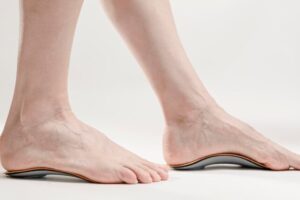
Pain does not always bloom where it hurts. At the same time, the hip often carries messages from faraway problems. Therefore, a stiff upper back shoves your pelvis to tilt forward. Even flat feet scramble the shock absorption through your leg. Therefore, even an old ankle sprain can ripple upward, jamming your hip joint. Treating only the sore spot misses the conductor leading the orchestra. A thorough assessment unravels these misleading signals.
Common Culprits Lurking Above Your Hip
- A stiff thoracic spine chains down the needed rotation.
- Weak core drops the anchor from your pelvis.
- Rounded shoulders throw your centre of gravity.
The Arthritis Confusion You Must Untangle
Many people point fingers at arthritis for their walking pain. Yet the relationship is more complex than you imagine. X-rays often reveal wear and tear that does not match your pain levels. Stiffness and weakness, rather than joint damage, frequently steer the symptoms. Movement bathes cartilage and pumps nourishing fluid through the joint. Dodging activity starves your hip of this natural oil. Grasping this distinction reshapes your entire recovery journey. That’s why Clinical Pilates Singapore helps you to heal.
Why Your X-Ray Does Not Spill the Full Story
- Pain-free people often carry joint changes silently.
- Severe damage sometimes stirs zero discomfort.
- Muscle health hides completely from images.
The Overlooked Nervous System Connection
Your nerves grab a starring role in stubborn hip pain. When pain drags on past normal healing, your nervous system cranks up the danger volume. It grows jumpy, like a smoke alarm that screams at burnt toast. This shield mechanism twists ordinary sensations into painful ones. Your brain clings to guarding patterns long after the original trouble fades. Physiotherapy for hip pain when walking rewires both your tissues and your nervous system.
Signs Your Nervous System Fans the Flames
- Pain spills beyond the original sore spot.
- Light touch over the hip prickles unpleasantly.
- Your pain surges when stress or sleep suffers.
- Symptoms flutter in and out without warning.
Building Resilience Through Targeted Movement
Lasting relief hinges on capacity, not dodging movement. Your tissues must welcome the demands you place upon them. This tolerance blossoms through graded exposure to specific loads. You teach your hip to welcome movement once more. Strong, bouncy muscles swallow shock and shield the joint. The goal shifts from merely hushing pain to forging a tough, adaptable hip. This Clinical Pilates in Singapore approach transforms your daily walk from a threat into a healing tool.
Why Generic Exercises Often Betray You
- One-size-fits-all plans overlook your unique driver.
- Bodyweight squats may stamp in your faulty pattern.
- Stretching a weak muscle deepens the instability.
- Generic glute bridges skip over the glute medius.
Final Thought
Your hips deserve to move without fear. Each step can feel light and free again. Dedicated physiotherapy for hip pain guides you along a clear, steady path. Patience and practice stitch new, healthy patterns into your daily stride. Small, consistent actions bloom into a strong, resilient body. Do not wait for the ache to return before you act. Embrace the journey back to joyful walking. Take that first step toward lasting relief today. Your future self will thank you for starting now.
FAQs
- Why does my hip hurt only after walking, not during?
Your muscles clench, and inflammation swells during your walk. Pain often sparks once you halt and cool down. This whispers that your joints crave stronger support and smoother patterns to shoulder the load.
- Can I still walk if my hip aches regularly?
Yes, but tweak your stride first. Clip your steps, land with a softer foot kiss, and stretch yourself tall. Gentle movement feeds the joint. Complete rest often seizes up the hip and drags out your recovery.
- How long does it take to fix recurring hip pain?
Most people notice shifts within a few weeks of steady work. True, lasting strength takes several months to forge. Your body mends at its own pace, so patience and regular practice carve out the finest results.
- What should I avoid if my hip hurts after walking?
Dodge deep sofas, crossed legs, and long chunks of sitting. Resist pushing through sharp pain or copying random online moves. These habits fuel the cycle. A custom plan hunts down your exact trouble spots safely.