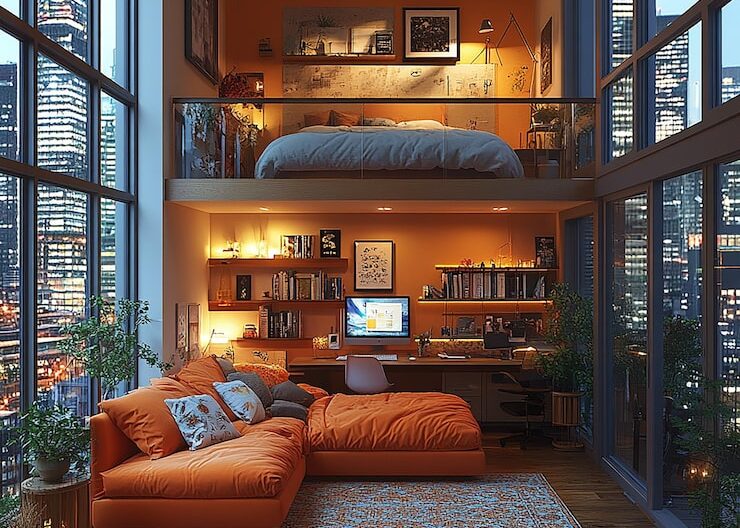
Design shapes how people live, feel, and connect with their space. In high-end homes, every surface, shade, and form must serve both comfort and beauty. True excellence comes from skill, care, and clear vision rather than trends alone. A luxury interior designer blends creativity with purpose to shape spaces that feel calm and refined. Because clients expect harmony and trust, the designer must listen, plan, and guide with care. When craft meets values, interiors gain meaning, balance, and lasting appeal.
Creative Vision and Strong Taste
Creative vision gives shape to every space. It helps the designer build rooms that feel whole and balanced. Because luxury spaces demand harmony, each colour, form, and surface must link with intent.
A refined sense of style
A designer reads a space like a story. They spot what fits and what breaks flow. While taste grows over time, daily practice sharpens it.
- Sees balance in shape and scale
- Selects textures that enrich space
- Builds rooms that feel calm and warm
So, vision turns empty rooms into living spaces.
Deep Understanding of Client Needs
Great design starts with listening. The client’s life, habits, and goals guide the plan. While style matters, people matter more. So, trust grows through shared ideas and honest talks.
Clear and human communication
A designer speaks with care and listens with focus. They turn thoughts into plans that feel real and usable.
- Listens without rush
- Asks clear and simple questions
- Shapes ideas into design goals
Because trust fuels success, this skill anchors interior designer services.
Strong Sense of Space and Layout
Space shapes how people feel. A skilled designer studies flow and form before placing a single piece. While beauty draws the eye, layout guides movement.
Thoughtful space planning
Each room must serve a purpose. So, the designer plans paths, zones, and balances with care.
- Uses scale to shape comfort
- Plans clear movement paths
- Aligns form with function.
Since space holds the design, this skill stays vital.
Mastery of Materials and Finishes
Materials speak through texture and tone. A designer must know how each surface feels and wears. While choice seems simple, impact runs deep.
Informed material selection
The right material lifts both look and life span. So, knowledge guides each pick.
- Chooses finishes that age well
- Matches texture with purpose
- Balances beauty and strength
Because materials shape mood, this skill adds depth to designer services.
Lighting Knowledge and Control
Light shapes mood and focus. It can soften space or bring drama. A strong designer treats light as a core element.
Purposeful use of light
Natural and crafted light must work together. So, the designer plans layers and angles with intent.
- Uses light to guide focus
- Balances glow and shadow.
- Supports comfort through tone
Since light affects feeling, control matters.
Technical Knowledge and Design Skill
Design needs more than taste. It needs skill and logic. A designer must grasp structure, form, and detail.
Command of design basics
Skill supports each creative choice. Without it, ideas lose strength.
- Plans layouts with logic
- Reads structure with care
- Aligns form with safety.
Because errors disrupt flow, skill keeps spaces sound.
Strong Project Management
Luxury projects involve many parts. So, the designer leads each stage with focus. While teams handle tasks, the designer guards the vision.
Organised and steady workflow
Order keeps creativity alive. So, the designer plans each step with care.
- Sets clear timelines
- Guides teams with purpose
- Resolves issues through reason
Because structure supports design, this skill proves essential.
Attention to Detail
Details shape the final feel. Small choices can lift or break a space. So, focus must stay sharp from start to end.
Precision in every element
A designer studies joints, lines, and finishes. They refine until the space feels right.
- Aligns edges and forms
- Matches tone across elements
- Reviews work at each stage.
Since detail defines luxury, this habit sets standards.
Ethical Practice and Professional Integrity
Trust grows through honest action. Clients value respect and fairness. While style draws interest, values keep loyalty.
Core professional values
A luxury designer builds long-term ties through sound conduct.
- Acts with honesty
- Respects client trust
- Protects design intent
So, integrity shapes both name and growth.
Cultural and Artistic Awareness
Design draws from art and culture. A designer must read the world around them. While trends pass, culture leaves marks.
Broad creative awareness
Exposure feeds creativity. So, designers explore beyond design books.
- Studies art and craft
- Observes form across cultures
- Draws ideas from history
Because culture adds meaning, this skill enriches work.
Emotional Intelligence
Design serves people. A designer must sense emotion and respond with care. While plans guide action, feeling guides choice.
Human-centred thinking
The designer reads the mood and need. They adjust their approach to suit each client.
- Handles feedback with care
- Manages stress with balance
- Builds calm through dialogue
Since emotion shapes trust, this skill supports interior designer services.
Passion for Learning and Growth
Design evolves with time. An interior designer stays curious and open. Because learning fuels skill, growth never ends.
Commitment to progress
Curiosity keeps work fresh and sharp.
- Studies new materials
- Explores art and form
- Refines personal style
Since progress drives success, passion sustains the journey.
Ability to Create Timeless Design
Luxury lives beyond trends. A designer must aim for lasting appeal. While fashion shifts, balance endures.
Focus on longevity
Timeless design blends comfort, beauty, and sense.
- Avoids trend-led excess
- Values proportion and calm
- Builds enduring spaces
So, the work stays relevant across years.
Crafting Cohesion Through Custom Detailing
Luxury design feels complete when, therefore, every element connects with purpose. Beyond that, moreover, layout and materials alone are not enough; instead, cohesion grows as a result of bespoke details that tie the entire space together. Consequently, a luxury interior designer uses custom choices so that nothing feels random or disconnected and, ultimately, the interior reads as one refined whole.
The power of bespoke elements
- Creates visual harmony across rooms
- Reflects the client’s identity in subtle ways
- Enhances flow through consistent design language
- Elevates the interior designer beyond standard solutions
When detailing is intentional, the home feels considered, personal, and effortlessly refined.
Final Thoughts
Great design rests on more than style. It grows from discipline, empathy, and steady learning. A luxury interior designer succeeds by shaping spaces that reflect both function and feeling. While materials and layouts matter, trust and integrity shape lasting success. Each project demands focus, patience, and respect for detail. When designers balance vision with responsibility, they create interiors that age with grace. In the end, thoughtful design leaves a mark that endures beyond time and trend.
Frequently Asked Questions
Q 1: What skills matter most for success in high-end design?
Creative thinking, clear planning, and strong listening skills matter most. A designer must balance beauty with function while guiding projects with care, structure, and respect for client needs.
Q 2: How does a designer understand a client’s lifestyle?
They ask clear questions, observe daily habits, and listen with focus. This approach helps shape spaces that support comfort, routine, and personal expression.
Q 3: Why is attention to detail so important in interior design?
Small choices shape the final result. Finishes, proportions, and alignment affect how a space feels, so careful review at each stage ensures quality and balance.
Q 4: How do designers create spaces that stay relevant over time?
They focus on proportion, comfort, and timeless materials. By avoiding excess trends, designers craft interiors that feel calm, functional, and enduring.