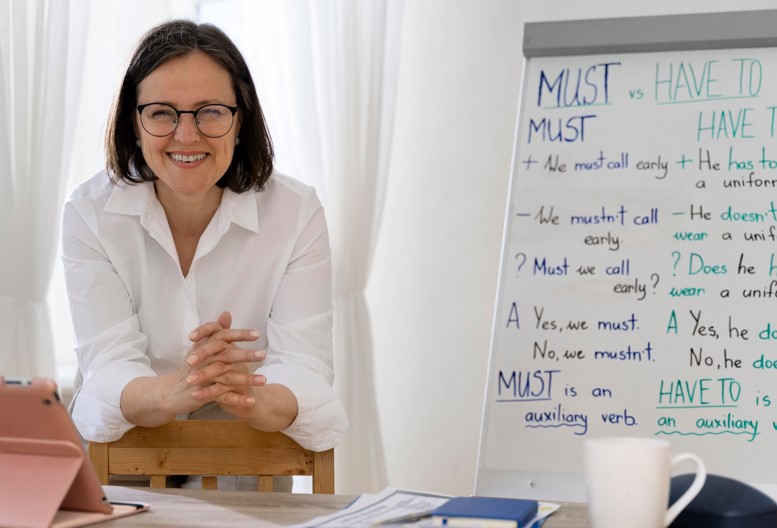
Writing a good piece can feel hard for many students. Some know what they want to say, yet the words do not come out well on the page. Others fear making errors, so they freeze and write very little. These struggles are common, and they often lead to weak marks. With the right help, though, students can grow fast. This is why many families look for English tuition in Tampines. Good guidance does more than correct errors. It builds skill and confidence.
Below, we look at the top mistakes students make in English composition writing, why these mistakes happen, and how strong tuition support in Tampines helps solve them.
The Most Common Mistakes Students Make
1. Writing Without a Clear Plan
Many students jump into their work without thinking it through. They write as they go. As a result, their ideas feel messy. The start and end do not link well. Their work may drift off track, and the reader feels lost.
When this happens, teachers often note weak flow. They want to see a simple path from idea to idea. Yet planning seems dull to many students, so they skip it.
2. Weak or Flat Introductions
An introduction should invite the reader in. Yet many students start with dull lines. They repeat the question or write facts that do not add value. Without a strong hook, the reader’s interest fades fast.
A good opening does not need fancy words. It only needs a clear point and a warm tone that sets up the rest of the piece.
3. Ideas That Lack Detail
Many students have ideas, but they miss the detail that gives life to the story or essay. They state what happened, but not how or why. They give broad points, but do not show examples.
This short, vague style keeps their writing from shining. Readers want to see, hear, and feel the scene. They want to follow the thought in a clear way.
4. Repeating the Same Words
When students try to keep their work simple, they often use the same words again and again. Repetition makes the piece sound dull.
For example, a student may repeat “I felt scared” three times in one story. A reader stops feeling the emotion because it is overused.
Students also use safe words. They fear new ones in case they use them wrong. This leads to plain, flat writing.
5. Grammar Errors That Block Meaning
Simple grammar errors can make writing unclear. Issues with tense, subject-verb agreement, or sentence structure confuse the reader.
Most students know some rules, but they forget them while they write. When they rush, they miss errors. This is why they need eyes that guide them while they practise.
6. Weak Endings
A strong ending leaves a clear message. Yet many students end with a single short line or repeat the introduction. Some stop when they feel tired rather than when the piece feels complete.
A good close sums up the point and gives the reader a sense of closure. Students often struggle with this because they do not plan ahead.
Why Students Struggle With Writing
1. They Lack Confidence
Many children fear being wrong. They worry about grammar, spelling, or sounding silly. Because of this fear, they write less. When they write less, they do not improve. It becomes a cycle.
2. They Do Not Practise Enough
Writing is like any skill. It grows only with steady practice. Yet many students write only for homework or exams. They do not write for fun or curiosity. Slow practice means slow growth.
3. They Do Not Know What Good Writing Looks Like
Students often do not read strong examples. Without models, they cannot learn how structure works or how writers build emotion and clarity. When they read little, they write in the same way.
4. They Do Not Get Personal Feedback
Large class sizes mean teachers cannot give detailed notes to every student. Many pupils receive short comments like “improve clarity” or “add detail”. They do not know how to do that. Because of this, they keep making the same errors.
How Tuition in Tampines Helps Students Improve
Good tutors in Tampines know the struggles local students face. That is why families trust English tuition in Tampines to guide children step by step. A strong tutor does more than teach rules. They show students how to think and write in a clear, simple way.
1. Building a Simple Writing Plan
Tutors teach students to pause before they write. They show them how to brainstorm ideas and put them in order. With a plan, the child sees the whole piece before they begin. This makes the work smoother and more focused.
Tutors often use short and fun planning tools. These help students learn without feeling stressed.
2. Teaching How to Craft Engaging Beginnings
Many tutors focus on strong openings. They teach simple ways to pull the reader in. For example, students may learn how to start with a sharp image, a short line of action, or a clear statement.
When the start feels strong, the rest of the writing often flows better.
3. Encouraging Clear Detail and Examples
Good tuition shows students how to add detail without making the writing too complex. Tutors guide them to use simple, clear images and examples that support the main idea.
This skill is vital for English composition writing, and it helps students stand out in exams.
4. Growing Vocabulary With Ease
Tutors help students learn new words, but they keep the process simple. They show when to use these words and how to avoid overuse. This builds variety in the writing, while keeping it natural and easy to read.
5. Fixing Grammar Through Practice
Instead of long rule lists, tutors teach grammar through short tasks and repeated practice. Students write, get feedback, and write again. Over time, the errors fade. This leads to clearer, smoother sentences.
6. Teaching Strong Endings
Tuition also helps students understand what a good ending looks like. They learn to close with a clear message. Tutors show models and guide them to practise until it feels natural.
How Tampines Tuition Centres Support Different Learning Styles
Every child learns in a different way. Some like to talk through ideas. Some learn by reading. Others need hands-on help. Centres that provide English tuition in Tampines understand these needs. They design small group lessons so tutors can guide each student at their own speed.
Students feel safe to ask questions. They also see how others write, which helps them learn new styles.
Final Thoughts
Writing is a skill. Anyone can learn it with the right help. Students in Tampines often struggle for the same reasons children elsewhere do—lack of plan, weak detail, fear of errors. Yet with good guidance, these issues fade.
Strong tuition in Tampines helps students understand what good composition writing looks like and how to create it. With clear steps, personal support, and steady practice, they grow into confident young writers who can express their ideas in a simple and engaging way.
FAQs
1: Why do students struggle with writing?
Many students do not plan their ideas or practise enough. They also fear making mistakes, so they write less.
2: How does tuition in Tampines help?
Tuition gives clear steps, simple tips, and personal feedback. This helps students fix mistakes fast and write with more confidence.
3: Will my child improve fast?
Most students improve once they get steady practice and guidance. Clear support helps them write better in a short time.
4: Is writing hard to learn?
No. With simple methods and regular support, any student can learn to write well and enjoy the process.