


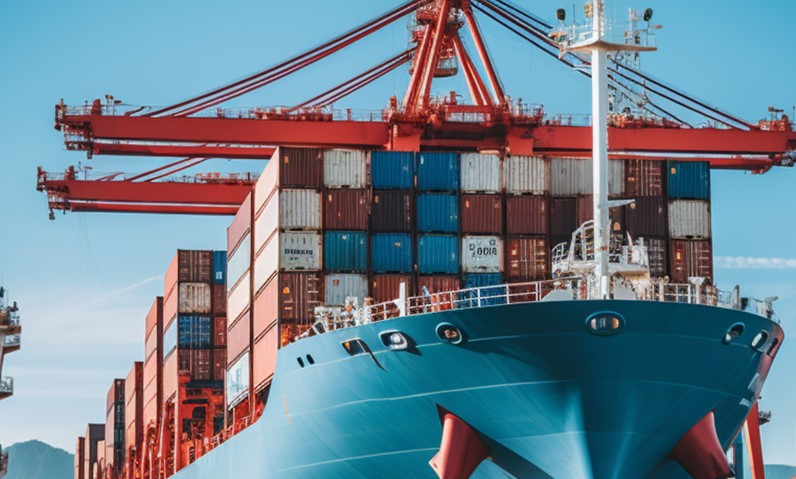
International trade grows each year as companies expand into new markets and search for smarter ways to move goods around the world. Businesses study the latest tools, routes, and systems that help them ship faster and handle more cargo with steady control. Many companies also explore long-term methods that reduce stress during busy seasons. In the middle of this growth, many teams focus strongly on sea freight shipping, which continues to shape how global trade flows today.
Global exporters seek direction that helps them prepare for future changes. Markets shift, routes evolve, and new tools enter the industry each year. Exporters want to understand how these changes affect timing, planning, and long-distance movement. Clear insight helps them make smart decisions and protect their supply chain. They also search for systems that support long-term growth and match important global exporter logistics trends, which gives them a stronger position in worldwide trade.
Why Modern Exporters Focus More on Sea Freight Trends
Exporters watch shipping changes closely because global movement grows more complex every year. More goods fill the sea routes, and more partners join the network. These changes influence timing, coordination, and cost planning. Exporters explore new patterns so they can adjust quickly. They also want systems that support smooth movement across long distances.
Before the pointers below, it helps to understand that trends guide planning. Strong knowledge makes movement easier. Clear direction also helps teams select better routes and prepare for upcoming demands.
Important Reasons Exporters Watch These Trends:
- Clear awareness helps companies stay ahead of international shipping changes.
- Updated knowledge supports stronger planning across expanding markets.
- Trend tracking improves decisions that protect long-term success.
Many exporters study patterns because new paths emerge each year. These paths often mirror global exporter logistics trends, which guide long-term direction for many businesses.
How Technology Shapes the Future of Sea Trade
Technology affects nearly every part of international transport. Exporters rely on tools that help them track cargo, connect with partners, and follow shipping schedules. Smart platforms offer maps, alerts, and updated timetables that help companies stay informed. Technology also improves safety because tracking reduces risks linked to long-distance moves.
Before reading the pointers, it helps to see that technology creates new opportunities. Exporters move with more control, more speed, and more confidence. These improvements change how companies plan each shipment.
Ways Technology Supports Modern Shipping:
- Smart tools guide exporters with updated tracking and clear data.
- New systems improve communication between shipping partners.
- Digital platforms simplify planning to support smoother operations.
These advancements also reflect major global exporter logistics trends, which shape how companies prepare for the future.
How Port Upgrades Support Faster Movement
Ports around the world expand their capacity to handle more ships and cargo. These upgrades help exporters avoid long delays and reduce waiting time. More cranes, wider docks, and smoother systems support quicker movement across sea lanes. Exporters benefit because faster handling strengthens their schedules and reduces hold-ups.
Before the pointers below, it helps to understand that port upgrades influence every stage of shipping. Faster movement reduces stress. Smooth handling protects products and keeps the supply chain steady.
Reasons Port Upgrades Matter:
- Improved ports handle more cargo in less time.
- Stronger systems reduce waiting periods at busy terminals.
- Faster operations support better delivery timing for exporters.
Exporters follow these improvements because many updates reflect global exporter logistics trends, which highlight the importance of faster and more reliable infrastructure.
Why Sustainability Shapes Modern Sea Freight Decisions?
Sustainability becomes more important each year as exporters look for greener ways to ship goods. Cleaner fuel options, smart routing, and better waste management support this movement. Many companies want solutions that protect the environment while improving efficiency. These choices also build trust with partners who value responsible transport.
Before the pointers appear, it helps to see how sustainability supports long-term growth. Cleaner methods reduce harm, cut waste, and protect future trade resources.
Sustainability Trends Affecting Exporters:
- Cleaner fuel use creates safer ocean routes.
- Smart path planning reduces unnecessary travel.
- Greener practices support stronger partnerships with eco-focused companies.
These actions guide many exporters as they follow global exporter logistics trends, especially those shaped by environmental goals.
How Digital Documentation Improves Shipping Efficiency?
Digital documentation replaces slow manual steps. Exporters use online forms, updated records, and electronic signatures to move paperwork faster. These tools save time and reduce errors, which helps goods move more smoothly. Exporters value this because documentation affects every stage of international movement.
Before exploring the pointers, it helps to understand that digital systems support speed. Exporters move through each stage more quickly. They also correct issues sooner because digital forms make adjustments easy.
Benefits of Digital Documentation:
- Online forms speed up checks across shipping partners.
- Digital systems reduce mistakes linked to manual writing.
- Fast updates help companies keep records accurate at all times.
This improvement mirrors common global exporter logistics trends, which encourage exporters to adopt simpler, faster processes.
How Global Routes Shift to Meet New Demands?
Shipping routes shift when countries open new paths or update existing lanes. Exporters watch these shifts to understand timing changes, fuel needs, and safety conditions. New paths may offer faster travel or reduce risk. Exporters explore updated charts to plan better routes for their cargo.
Before viewing the pointers below, it helps to remember that routes change for many reasons. Weather patterns, port upgrades, and global trade policies all influence movement.
Reasons Global Routes Shift Often:
- Market changes create new demand across different regions.
- Weather patterns influence ship movement throughout the year.
- New trade agreements shift preferred paths for many exporters.
These shifts support global exporter logistics trends, which reflect the need for flexible planning.
Comparison of Old Shipping Trends vs. Current Trends
Before viewing the table, it helps to understand why comparing past and present trends matters. Exporters plan future steps by studying old patterns and current changes. This comparison helps them build strategies that support long-term success.
Comparison Table: Past vs. Present Shipping Trends
| Category | Past Trends | Current Trends |
| Technology | Limited tools | Real-time tracking |
| Ports | Slower processing | Faster movement |
| Sustainability | Less focus | High priority |
Exporters study these changes closely because they tie directly to global exporter logistics trends, which influence global trade planning.
Conclusion
Exporters follow new shipping trends because they want to stay competitive, strong, and prepared. Modern routes change, technology improves, and new systems shape global movement. Exporters study these patterns to strengthen planning and avoid delays. They also follow sustainability goals, faster documentation methods, and updated port systems. Each new trend creates opportunities for better movement, stronger partnerships, and long-term global success. Exporters who understand these patterns position themselves for growth, stability, and smoother sea freight shipping.
FAQs
Why do exporters follow sea freight trends closely?
They follow them to improve planning, strengthen schedules, and move cargo with greater confidence across global markets.
Do new technologies improve sea transport efficiency?
Yes, many tools support tracking, communication, and timing, which makes planning smoother for exporters.
How do ports influence modern sea trade?
Ports shape timing, cargo processing, and overall movement, so upgrades help exporters move goods faster.
Why does sustainability matter in sea transport?
It matters because greener actions support long-term trade, protect the environment, and strengthen trust between partners.