


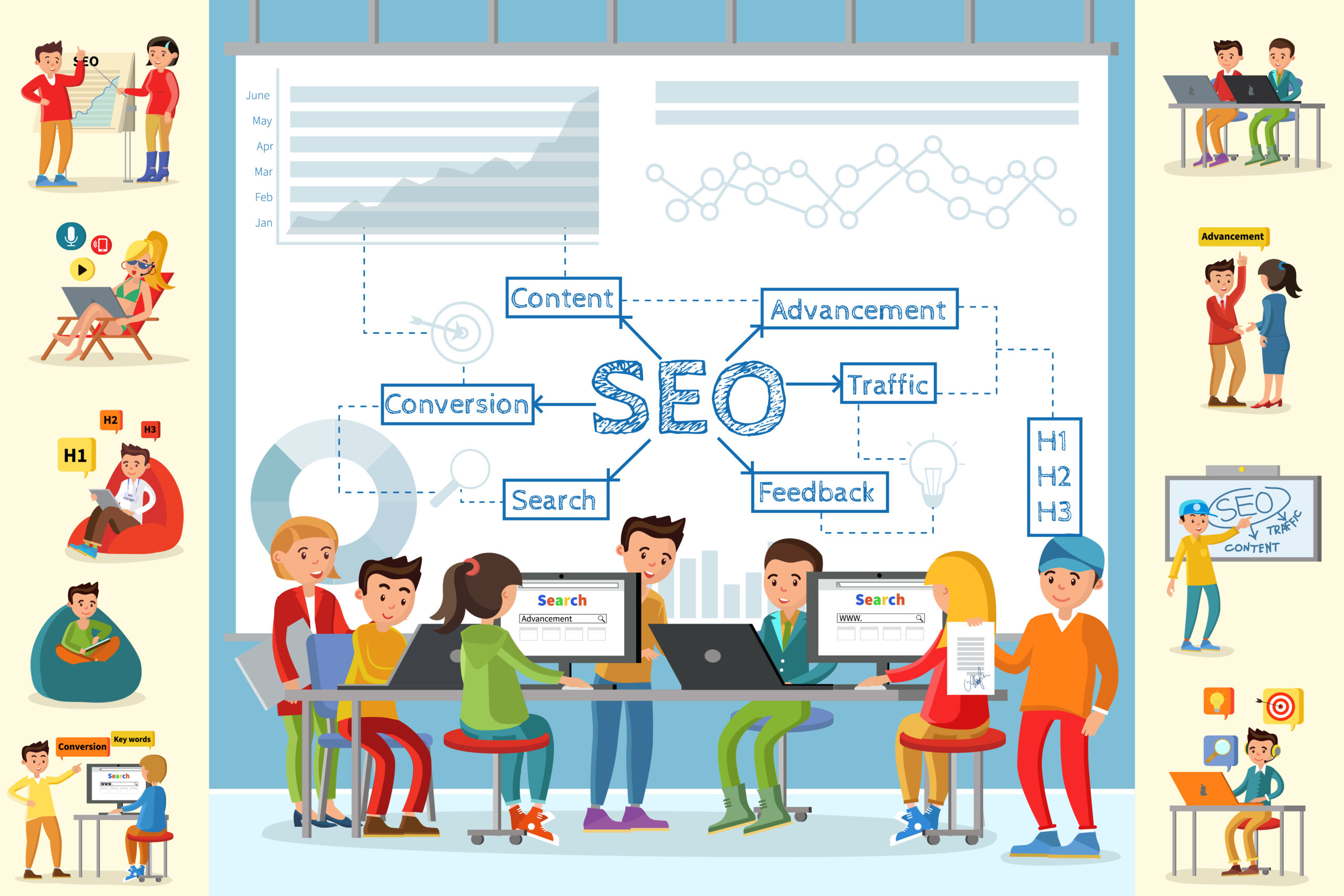
Many websites chase traffic and hunt for clicks, yet they overlook one key truth. Real growth begins when a brand understands what people truly want. That truth stands at the core of search intent in SEO Strategies. Search engines now read behaviors, not just words. They track clicks, watch how long visitors stay, and note what they choose next. Because of this shift, brands must rethink how they shape content to ensure it aligns with user engagement metrics and addresses the specific interests and needs of their target audience. DigitalDotAgency studies these changes with care.
Websites rise when they match real human needs, such as providing relevant information, engaging user experiences, and addressing customer pain points. Therefore, understandable behavior now guides every strong SEO move and fuels steady growth. This shift reshapes digital marketing plans and forces brands to rethink how they speak to audiences online today, particularly by emphasizing personalized content and engagement strategies that resonate with their target demographics.
What Search Intent Really Means?
Search intent explains why someone types words into a search bar. Each search hides a goal. Some people look for answers. Others plan to buy. Some compare choices before they decide. These motives guide the direction of every online journey and shape the kind of content users expect to see. Search engines scan patterns and measure actions to understand user intent and preferences. They lift pages that solve the searcher’s need, such as providing relevant information, answering questions, or offering solutions to problems. This shift pushes marketers beyond simple keywords. They must practice keyword intent analysis to uncover the reasons behind each search. Clear understanding prevents wasted effort and ensures that every page serves a defined purpose.
When brands ignore intent, rankings sink. When brands respect intent, traffic grows. So, the focus must move from words to meaning. Strong alignment between purpose and content builds trust and encourages visitors to explore further pages.
The 4 Core Types of Search Intent
To grasp behavior, recognize the four main intent types. Each one shapes content in a clear way. Understanding these types helps brands create focused pages that answer specific needs.
1. Informational Intent
People ask questions and seek knowledge. Searches such as “What is SEO” or “how search intent affects rankings” fall here. These users expect helpful explanations rather than promotional messages.
Content must:
- Teach with clarity
- Explain with structure
- Guide with simple steps
Clear language keeps readers engaged. Well organized sections help them absorb ideas without confusion or distraction.
2. Navigational Intent
Here, users search for a known brand or website. They type a name because they trust it. They expect to reach the correct page without delay.
Strong structure helps users:
- Land on the right page
- Find information fast
- Move through the site with ease
Clear menus and logical links support smooth movement across the website.
3. Transactional Intent
These users plan to act. Searches such as “hire seo agency” show clear intent to buy. They want quick answers and simple guidance.
Pages must:
- Present clear value
- Show direct next steps
- Remove confusion
This connects with informational vs transactional search intent, which shapes how pages speak to readers. Clear separation between learning and buying pages improves user satisfaction.
4. Commercial Investigation Intent
These users compare and examine options before they choose. They weigh features and review benefits carefully.
Content should:
- Present balanced insight
- Explain features clearly
- Support wise decisions
Each intent type demands focus. Therefore, smart brands shape tone and structure to match each need. Clear alignment increases trust and supports confident decisions.
Why Keywords Alone No Longer Work?
In earlier years, marketers stuffed pages with keywords. That method once lifted rankings. Today, it harms them. Search engines now value quality and relevance above repetition.
Search engines measure behavior. They monitor bounce rates and track engagement. If visitors leave fast, rankings drop. This shows how search intent affects rankings in real terms. Behavior data now influences visibility more than simple keyword placement.
Because of this shift, SEO strategy development must center on meaning. Strong strategy begins with research into audience behavior. Insight drives smarter planning and stronger outcomes.
Brands must ask:
- What problem does this search reveal?
- What answer fits best?
When content meets real needs, users stay longer and explore further. Longer engagement signals value and strengthens search performance.
Understanding User Behavior Shapes Success
User behavior tells a clear story. Every click signals purpose. Every scroll shows interest. These signals reveal what users value most.
Modern SEO listens and responds. Through user intent optimization, marketers refine headlines, reshape structure, and craft smoother journeys. Careful observation helps improve each stage of the visitor path.
For example:
- A guide must teach before it sells
- A service page must explain before it asks
DigitaldotAgency builds strategies around this principle. The team places clarity and purpose at the center of each plan. Careful planning ensures every page supports a defined goal.
How Search Intent Affects Rankings in Real Terms?
Search engines reward relevance. When content aligns with intent, ranking signals strengthen. Alignment creates positive engagement patterns.
Consider a search for “optimizing content for user intent.” The reader expects guidance. A page filled with vague advice will struggle. A page with clear steps and useful examples will climb. Structure and clarity influence search engine trust.
Search engines test behavior:
- If users click and stay, trust grows
- If users return to results, trust fades
Therefore, search intent in SEO shapes ranking strength. It influences dwell time and click choices. Strong engagement supports long term visibility.
The Role of Keyword Intent Analysis in Modern SEO
Keyword intent analysis acts like a compass. It points towards the goal behind each keyword. Direction prevents wasted effort and confusion.
Marketers must:
- Group keywords by intent type
- Study search results pages
- Observe which content formats lead
This research reveals patterns. It shows whether search engines favor guides, product pages, or comparisons. Insight shapes better content planning.
Without this step, content drifts without direction. With it, content aligns with expectation. Clear alignment strengthens both rankings and user trust.
Building Content Around User Needs
Strong content begins with empathy. Writers must step into the reader’s world. Understanding feelings and problems guides better writing.
A clear process helps:
- Identify the main problem
- Craft a helpful solution
- Present ideas in simple language
When focusing on optimizing content for user intent, structure matters. Headings must guide readers. Paragraphs must flow with logic. Transition words must connect ideas. Clear flow improves understanding and engagement.
For example:
- Start with the problem
- Explain the solution
- Provide examples
- Offer next steps
This structure strengthens user intent optimization and builds trust. Readers feel supported when information unfolds in a logical way.
Informational Vs Transactional Search Intent in Practice
The contrast between informational vs transactional search intent shapes tone and purpose. Each type demands a clear writing approach.
Informational pages must:
- Educate fully
- Answer clearly
- Avoid heavy sales pressure
Transactional pages must:
- Highlight value
- Simplify decisions
- Encourage action
When a page blends both types, confusion grows. Therefore, each page must serve one strong purpose. Focus improves clarity and user satisfaction.
DigitaldotAgency structures websites with this clarity to sharpen engagement. Clear focus supports stronger brand authority.
Aligning SEO Strategy Development with Behavior
Effective SEO strategy development demands careful planning and testing. Continuous review strengthens performance over time.
A clear approach includes:
- Auditing existing pages
- Mapping keywords to intent types
- Measuring behavior signals
Blog posts must match informational queries. Service pages must match transactional queries. Correct mapping improves visibility and engagement.
Regular review sharpens results. Adjust structure where users drop off. Strengthen clarity where confusion appears. Ongoing improvement sustains growth.
Common Mistakes Brands Make
Many websites chase numbers instead of meaning. They produce long articles filled with keywords but lacking focus. Quantity without purpose weakens performance.
Common mistakes include:
- Mixing sales content into guides
- Ignoring search result patterns
- Skipping proper research
Without strong keyword intent analysis, content misses the mark. Insight prevents wasted effort and supports precision.
Intent must anchor every SEO decision. Clear purpose guides stronger outcomes.
How DigitaldotAgency Approaches Search Intent?
DigitalDotAgency studies audience behavior before crafting content. The team observes patterns and reviews performance data. Careful analysis informs each step. They examine how search intent affects rankings across sectors. They refine messaging to align with reader goals. Clear direction supports measurable progress. Through focused user intent optimisation, they sharpen structure and purpose. Through careful planning, they strengthen SEO strategy development. Strategic alignment builds resilience and growth. This method builds authority and nurtures long-term growth. Consistent refinement sustains competitive advantage.
The Future of Search Intent In SEO
Search engines continue to evolve. They interpret context with greater depth. Voice search and smart tools amplify intent signals. Technology sharpens understanding of human behaviour. Because of this growth, brands must adapt. They must refine research and deepen understanding of behaviour. Continuous learning fuels stronger strategies. The concept of search intent in SEO will steer ranking decisions. It will influence content structure and keyword planning. Intent will guide future optimization efforts. Brands that listen to users will rise. Brands that ignore behaviour will fall. Clear focus ensures lasting visibility.
Conclusion
SEO now revolves around people, not keyword volume. When a brand understands why someone searches, it crafts content that feels clear and useful. That clarity builds trust. Trust drives engagement. Engagement lifts rankings. Therefore, success depends on intent, structure, and empathy. DigitaldotAgency embraces this shift and shapes strategies around behavior. By focusing on meaning instead of repetition, websites build stronger foundations. In the end, search engines reward pages that solve real problems and guide users with purpose. Understanding intent unlocks lasting SEO strength and creates sustainable digital progress for brands seeking consistent visibility.