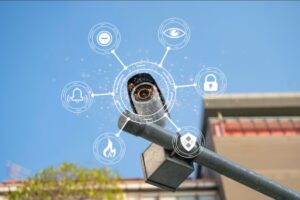


Shops, offices, or public spaces need strong safety tools to stop risks or protect people. Cameras track activity to help teams act fast when issues arise. Commercial security cameras stand guard to keep a steady watch on daily tasks. They record events, guide choices, or build a sense of control. As a result, businesses feel ready. In this blog, you will learn how these systems work or why they matter in simple terms.
What Are Surveillance Cameras
Commercial surveillance cameras are systems that capture video in business spaces. In addition, they link to a recorder or a network. After that, they store or stream the footage for review.
Key Features
- Capture clear video day or night.
- Cover wide or small areas.
- Send alerts on motion.
- Store footage for later checks
However, each setup fits a different need. At the same time, some watch entry points, while others track stock areas.
How Do These Cameras Work
Similarly, these systems follow a simple path. To begin with, the camera lens gathers light. Next, a sensor turns that light into digital signals. After that, the system sends the data to a recorder or cloud space. Finally, users view the footage on screens or mobile devices.
Main Steps
- A lens collects light or frames the scene
- The sensor converts light into digital data.
- While the network moves data to storage.
- Software shows live or saved video.
As a result, staff can spot issues fast or act with care.
Core Components of a Surveillance System
Each system relies on a few key parts that work together. In fact, without them, the setup cannot function well.
Essential Parts
- Even cameras that capture the footage
- While recorders that store video
- Even cables or wireless links for data flow
- Also, monitors or apps for viewing
In addition, software helps manage recordings or alerts. So, all parts must work in sync.
Types of Cameras Used in Businesses
Different spaces need different views. As a result, many types exist.
Common Types
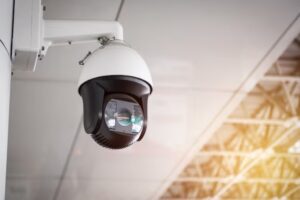
- Dome cameras for indoor ceilings
- Bullet cameras for long outdoor views
- PTZ cameras that pan, tilt, or zoom
- Hidden cameras for a discreet watch
Each type serves a clear role. So, a mix often gives better coverage.
Wired vs Wireless Systems
Commercial surveillance cameras work in businesses, or users can choose between wired or wireless setups. As a result, each option offers clear strengths.
Wired Systems
- Provide stable or strong signals.
- Suit large areas with fixed layouts.
- Need more time for setup
Wireless Systems
- Even allows a quick or simple setup
- Also, fit small or flexible spaces.
- Always depend on network strength.
However, the choice depends on the size or needs of the space.
Video Storage Options
Storage plays a key role in any system. In fact, it decides how long footage stays safe.
Storage Methods
- Even local storage on hard drives
- While network storage systems
- Even cloud-based storage
Local storage offers quick access. On the other hand, cloud storage allows remote viewing. As a result, many businesses use a mix of both.
Smart Features in Modern Systems
Modern systems include smart tools that improve control or safety. As a result, they help users manage spaces with ease.
Advanced Functions
- Motion detection alerts
- Facial recognition tools
- Remote access through mobile devices
- Night vision for dark areas
As a result, users can track events in real time to act without delay.
Where Businesses Use Them
You will find these cameras in many places. In fact, they help manage flow or guard assets.
Typical Areas
- Entrances or exits
- Cash points or counters
- Warehouses or stock rooms
- Parking spaces
In addition, managers use them to review events or train staff.
Installation Considerations
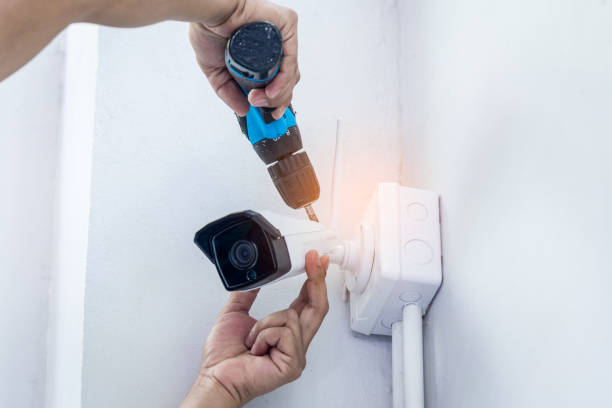
Proper setup ensures clear footage or full coverage. However, poor placement can leave blind spots.
Key Points to Consider
- Place cameras at key entry points
- Avoid blocked or hidden views.
- Ensure proper lighting conditions.
- Secure cables or network links
Therefore, planning before installation leads to better results.
Maintenance to Upkeep
While regular care keeps the system running well. Otherwise, performance may drop over time.
Maintenance Tips
- Clean camera lenses often
- Check storage or backups.
- Update software when needed
- Inspect cables or connections.
As a result, the system stays reliable or ready to use.
Privacy or Legal Awareness
Therefore, businesses must respect privacy while using these systems. Moreover, clear rules help avoid issues.
Good Practices
- Inform people about camera use
- Avoid placing cameras in private areas.
- Store data securely
- Follow local laws or rules.
Therefore, a balanced approach protects safety or rights.
Benefits for Businesses
While these systems do more than record. In fact, they shape safer habits or support control.
Key Benefits
- Deter theft or damage
- Support quick response to events.
- Help resolve disputes with proof.
- Improve staff or customer safety.
Because of this, many firms rely on them each day.
Challenges Businesses May Face
While useful, these systems can present a few challenges.
Common Issues
- High initial setup effort
- Need for regular maintenance.
- Storage limits over time
- Network issues in wireless setups
However, proper planning can reduce these problems.
How to Choose the Right System for Your Space
Every business space holds its own shape to its needs. So, you must pick commercial surveillance cameras work in businesses that fit your area or goal. While a smart choice helps you cover key spots to avoid hidden gaps. Therefore, it also keeps daily use smooth or simple.
What to Look For
- Check the size or layout of your space.
- Focus on entry or exit points.
- Pick a clear or sharp video quality.
- Ensure quick access to live or saved footage
Mistakes to Avoid During Setup
Many people rush the setup or miss key steps. In contrast, this can cause weak coverage or poor results. So, careful planning helps you to use commercial surveillance cameras to dodge these issues to gain better use.
Mistakes to Watch Out For
- Even placing cameras too high or too low.
- While ignoring the light in the area.
- Even leaving blind spots in key zones.
- While skipping routine system checks.
Final Thoughts
Safety remains a top goal for every business, no matter its size or type. Therefore, smart monitoring helps stop losses to keep daily work in check. In contrast, commercial security cameras give a clear view of events or help teams act with confidence. They also build trust among staff or visitors. Therefore, a good system adds lasting value to peace of mind. With the right setup, businesses protect what matters most or run with ease.
FAQs
- How long do cameras store footage?
Most systems keep footage for a few days to several weeks. The time depends on storage size and settings. Many users adjust this period based on their needs and how often they check recordings.
- Can users view footage from a phone?
Yes, many systems let users view live and saved footage on mobile devices. This helps them check activity at any time. It also lets them act fast if something unusual appears.
- Do cameras work at night?
Yes, many cameras work well in low light or dark areas. They use night vision or special sensors to capture clear images. This helps the system record activity at all times.
- Do these systems need regular checks?
Yes, regular checks keep the system in good condition. Cleaning lenses and checking connections boost performance. This also helps prevent sudden issues and keeps the system ready each day.