The research shows that physical workspace design produces a 20% impact on employee work performance. Most offices still maintain their original design from twenty years ago, which includes rows of desks and intense lighting and spaces that fail to stimulate creative thinking.
Your office space design might cause your team to experience both obstruction and disinterest in their tasks. The work environment influences both worker thought processes and collaborative methods and their willingness to engage in innovative experiments.
The article shows how corporate interior design increases creative output through its design changes, which produce actual results in workplace environments.
Why Corporate Interior Design Matters for Creativity
The space design creates specific visual and tactile sensations which transmit information to the brain. The space becomes dedicated to established procedures which people execute through their obligatory tasks because of its disordered and unyielding design.
An open space which designers constructed with careful planning elements shows a potential for new possibilities. This concept exists as a practical application which extends beyond its theoretical framework.
Corporate interior design exists to enhance office spaces beyond their aesthetic appeal. It creates spaces which improve cognitive function through social interaction while supporting the development of new ideas.
How Can Corporate Interior Design Boost Creativity
Corporate interior design boosts creativity in several ways:
1. Flexible Spaces Give People a Choice
Being forced to do every type of work in the same spot is one of the biggest creativity killers. When people can choose where and how they work, their output improves, and so does their creative thinking.
- Quiet zones for focused, individual work
- Open collaboration areas for group sessions
- Informal lounge-style seating for casual conversations
- Small meeting pods for two or three people to think out loud
2. Natural Light Changes How People Feel
Lighting is one of the most underestimated yet impactful elements of office design. Employees near windows get 46 more minutes of sleep per night, leading to sharper thinking and more mental energy for creative work.
- Larger windows to maximise daylight exposure
- Skylights to bring light into deeper areas of the office
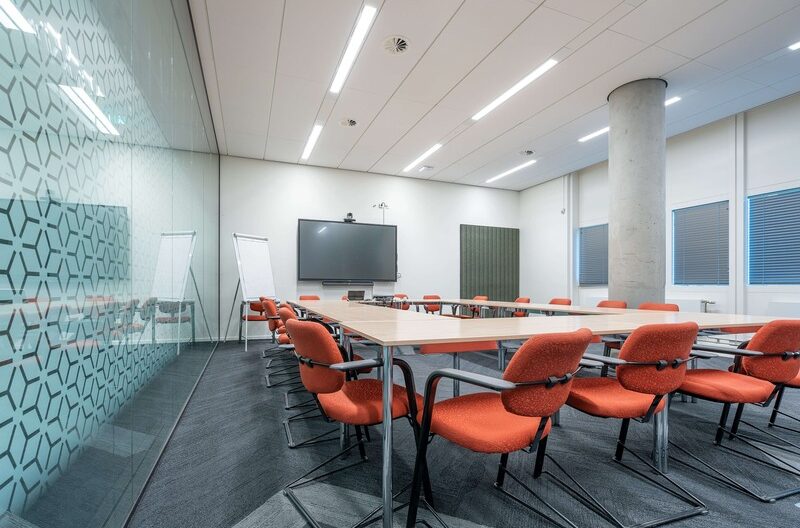
- Light-diffusing glass partitions as an alternative to solid walls
- Reducing reliance on harsh fluorescent overhead lighting
3. Colour Does More Than You’d Think
The introduction of appropriate workspace colours through your current environment allows you to create a different energy and focus without needing a complete office redesign.
- Blue: promotes calm and focused thinking
- Yellow: encourages optimism and idea generation
- Green: reduces eye strain and supports sustained concentration
- Orange: stimulates energy and social interaction
4. Biophilic Design Connects People to Nature
Biophilic design brings natural elements indoors to improve how people feel and perform. Employees in offices with natural features report 15% higher wellbeing and 6% higher productivity.
- Indoor plants and living green walls
- Natural materials like wood, stone, and woven textures
- Water features for calming ambient sound
- Organic shapes and nature-inspired patterns in furniture and décor
5. Acoustics Matter More Than Most Offices Acknowledge
Open-plan offices were designed to boost collaboration, but in practice they often just create distracting noise. Designing for acoustic variety gives people the control they need for focused and creative work.
- Acoustic panels and ceiling baffles to absorb noise in open areas
- Soft furnishings like rugs and upholstered seating that dampen sound naturally
- Dedicated quiet zones where conversation is kept to a minimum
- Enclosed pods or booths for calls and deep-focus tasks
6. Breakout Spaces Spark Unexpected Ideas
Some of the best ideas don’t happen at desks; they happen in unplanned, informal conversations. Breakout spaces are where people from different teams cross paths and make creative connections that structured meetings rarely produce.
- Comfortable lounge seating that encourages informal conversation
- Coffee and refreshment areas positioned to draw people together
- Open, relaxed zones distinct from formal meeting spaces
- Layouts that encourage natural movement and chance encounters
7. Personal Touches and Ownership Build Comfort
People think more freely in spaces they feel comfortable and connected to. Giving teams some input into their environment builds a sense of ownership and encourages creative risk-taking.
- Allowing desk personalisation with photos, plants, or personal items
- Involving teams in artwork or décor choices for shared spaces
- Giving staff input into the layout or furniture of their work area
- Balancing design consistency with room for individual expression
What Good Corporate Interior Design Actually Looks Like
Your office space requires only minor adjustments to achieve proper implementation of this solution. Most businesses see a real difference by focusing on a few targeted changes:
Start With Light
When natural light becomes insufficient, organisations should purchase artificial lighting systems that create daylight simulation. The solution provides businesses with an affordable method to implement their most effective operational improvement.
Add Flexibility
The office space needs only one or two work areas which provide different working options to achieve a new office environment.
Introduce Nature
Workspace atmosphere changes because plants and natural wood finishes and organic textures require no financial expenditure.
Address Acoustics
The installation of acoustic panels together with a designated quiet area will improve both the concentration and creative capacity of noisy open-plan workspaces.
These aren’t cosmetic changes. They’re investments in how your team thinks.
Common Mistakes That Undermine Creative Office Design
Even well-intentioned redesigns can fall flat. Here are the things worth avoiding:
- Designing for appearance rather than how the space actually gets used
- Creating collaboration spaces but no quiet areas to balance them
- Ignoring acoustics in open-plan layouts
- Choosing furniture that looks good but isn’t comfortable for long working periods
- Treating the design as finished rather than something that evolves with the team
The best corporate interior design is built around real working patterns, not a vision board.
Future Trends in Corporate Interior Design
Workplaces continue to evolve. Hybrid work models now influence office design. Companies focus on spaces that support collaboration rather than rows of desks.
Hybrid Workspaces
The design of workspaces now emphasises collaborative spaces rather than using dedicated workstations.
Wellness-Focused Design
Employees experience better concentration and improved comfort through three elements, which include natural light, quiet areas and ergonomic furniture.
Sustainable Office Design
Companies select environmentally friendly materials and energy-saving lighting solutions for their operations. Sustainable design also includes recycled furniture and green elements.
Smart Technology Integration
Smart tools enable better collaboration among team members and assist in sharing ideas with others.
Conclusion
The physical environment of a business space influences creative thought processes more than most organisations understand. The corporate interior design for office spaces exists as a functional asset which enables organisations to enhance their employee productivity through its implementation.
Human thought processes develop based on six factors: light, flexibility, colour, natural elements, sound properties, and the feeling of belonging. The combination of these elements creates a workspace environment which enables employees to express their creative potential. The office design requires evaluation when your workspace creates obstacles which hinder your team’s performance.
FAQs
How does corporate interior design affect employee creativity?
Corporate interior design creates spaces which affect employee moods and their levels of comfort and their ability to work together. Employees can develop their thoughts and exchange ideas through workspaces that include natural light and adaptable designs and innovative areas.
Which colours improve creative thinking in office space design?
Yellow often encourages creative thinking, while blue supports focus and problem-solving. Office environments benefit from green because it helps people reduce stress and enhances their ability to concentrate.
Why do companies include plants in their office design?
Plants function as stress reducers while they enhance air quality. The office environment creates a peaceful atmosphere which enables employees to think clearly and generate new ideas.
Which office layout design supports creative work?
The active space design system creates effective results. The design provides three different spaces, which include quiet areas to concentrate, areas to work together and spaces for casual dialogue.