


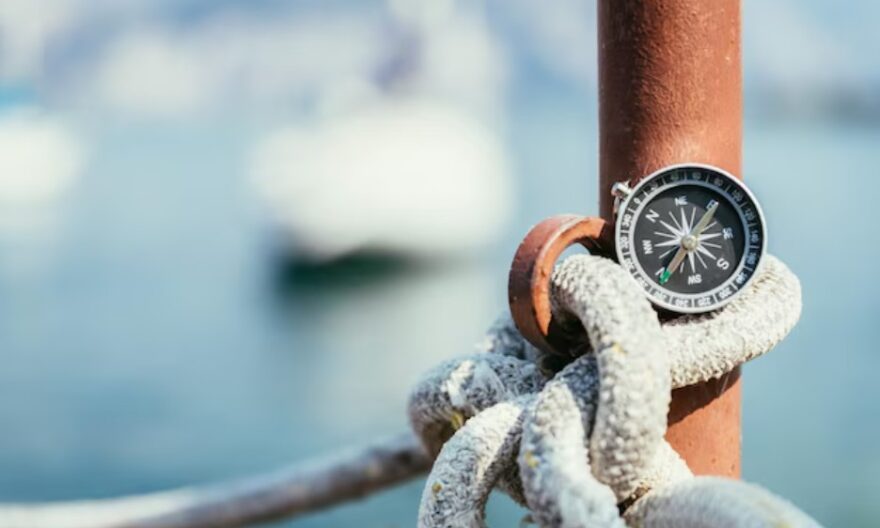
Ships carry goods across oceans every single day. These big boats need many tools to work safely. Without the right gear, a cargo ship cannot find its way, talk to others, or keep its crew safe. Knowing about this gear helps you see how hard sea travel can be. Each tool does a special job, from turning the ship to dropping the anchor. This guide walks through the main nautical equipment found on modern cargo ships. The goal is to explain these items clearly and simply.
Large container ships face big waves, strong winds, and tight schedules. The right nautical equipment keeps the ship on course and away from danger. Things like radars, compasses, and winches work as a team. Crew members use this gear every day to do their jobs. The next parts break down the main types of ship tools. Each one helps keep trips smooth and safe. Let us see how these devices support world trade and sea safety.
Steering and Finding the Way
Every cargo vessel requires a navigation system which enables it to sail through open seas. The Earth’s natural magnetic field helps a compass show direction through its magnetic pull. The gyrocompass system shows true north because it operates independently of the Earth’s magnetic field. These devices enable the captain to maintain proper steering control through stormy weather conditions. Modern ships operate with electronic chart systems, which serve as their navigation systems.
- A magnetic compass never needs power to work.
- Gyrocompasses give steady readings even near metal.
- Electronic charts update with weather data on their own.
Radar systems scan the horizon for other boats and land. This tool proves vital during fog or heavy rain. An automatic ID system (AIS) sends out the ship’s name, speed, and path. Other boats get this signal to stay away from crashes.
Talking Tools on Board
Ships need to maintain communication links between their positions and the ports and boats which operate in their vicinity. The radio system known as ‘VHF’ enables users to perform fast voice communications which operate within a restricted geographical area. The ship’s crew members depend on satellite message terminals to maintain contact with people located at distant places. Emergency beacons activate distress signals, which show the precise position of the ship at that particular moment
- VHF radios work best for short-range ship-to-ship chats.
- Satellite terminals provide phone and internet access anywhere.
- Emergency beacons turn on by themselves when wet.
A marine VHF radio includes channels for weather updates and rescue help. Without good talk tools, a cargo ship travels blind and silent. Modern systems also send data about engine work and cargo status.
Anchors and Tying Down
When a ship reaches port, it needs to stay still. Anchors dig into the sea floor to hold the vessel in place. Heavy chains connect the anchor to the ship’s body. Windlasses are strong winches that raise and lower the anchor.
- Anchors come in different shapes for various sea floors.
- Windlasses use hydraulic or electric motors for lifting power.
- Mooring ropes tie the ship to dock posts.
Mooring winches pull the ship closer to the dock during arrival. Synthetic fibres have replaced natural ropes because they resist rot and stretch less. Good anchoring stops drifting during cargo moves.
Moving Goods Gear
Shifting items on and off a ship needs special machines. Cranes lift containers from the deck to the dock. Derricks are older devices that still show up on some ships. Conveyor belts carry loose things like grain or coal into storage holds. Each piece of nautical equipment for cargo ships does a specific loading job.
- Shipboard cranes spin all the way around for easy placement.
- Conveyor systems move loose items without heavy lifting.
Hatch covers seal the cargo holds against water entry. Inside the holds, lashing systems tie down containers with steel rods. Good lashing stops boxes from moving during rough waves.
Safety and Life-Saving Gear
Every cargo ship carries life-saving devices for emergencies. Life rafts blow up on their own when thrown overboard. Immersion suits keep crew members warm in cold water. Fire extinguishers and sprinkler systems fight fires on the ship.
- Life rafts hold many people and include survival supplies.
- Immersion suits give heat protection for hours.
Emergency beacons (EPIRBs) send help calls through satellites. Crew members also wear personal finder beacons on their vests. Regular drills make sure everyone knows how to use this gear.
Engine Room Machines
The heart of a cargo ship lives inside the engine room. Main engines burn fuel to turn the propeller shaft. Generators make power for lights, pumps, and navigation gear. Separators clean fuel oil before it reaches the engine.
- Main engines on large ships make thousands of horsepower.
- Generators run all the time to power onboard systems.
Air compressors start the main engine and feed control systems. Purifiers treat lubricating oil to make engines last longer. Engine room crews watch gauges and alarms all the time. A breakdown here would stop the whole ship.
Deck Machines and Winches
Above the main deck, various machines help with daily tasks. Mooring winches pull ropes during docking and leaving. Cargo winches lift heavy items from storage areas. Capstans spin upright to pull ropes from any angle.
- Mooring winches hold ropes under high pull.
- Cargo winches work with booms for lifting loads.
Anchor windlasses mix a winch and chain stopper for safe anchoring. Hydraulic power packs run these machines with fluid pressure. Good deck machines cut down on hard work and stop injuries.
Boat Lights and Signals
Other ships need to see a cargo boat after dark. Boat lights show the ship’s size, direction, and activity. A red light marks the left side, while green shows the right side. White lights show the masthead and back end.
- Red and green side lights help others tell which way the ship points.
- Masthead lights shine forward and to the sides.
Anchor lights glow white and spin to alert nearby traffic. Sound signals like horns and whistles warn of moves. Fog horns blast every two minutes during low sight. These simple rules stop crashes at sea.
Water Balance and Drain Systems
Cargo ships need to stay level in the water. Ballast tanks hold seawater to change weight spread. Pumps move water between tanks as containers load or unload. This process keeps the ship steady and the propeller under water.
- Ballast water stops the ship from tipping sideways.
- Bilge pumps remove leaks and water from below decks.
A ballast water treatment system kills small creatures before letting the water out. This stops foreign species from spreading to new places. Regular testing makes sure both systems work well.
Why Regular Care Matters
All this nautical equipment for cargo ships needs constant care. Rust, salt, and shaking wear down parts over time. Crews follow a care schedule to replace worn items. Grease cuts down rubbing in moving machines. Paint shields metal surfaces from rust.
- Daily checks catch small problems before they grow.
- Weekly tests make sure communication and navigation systems work.
Records track every fix and swap for honesty. Training gets crew members ready to handle breakdowns without panic. A well-cared-for ship has fewer delays and crashes. This promise to uphold keeps world trade moving smoothly.
Conclusion
Cargo ships use many tools to work safely. Nautical equipment such as compasses, radars, and winches makes sea travel possible. Each device plays a specific role in finding the way, talking, or moving goods. Good training and care keep this gear reliable for years. Knowing these parts shows the hard work behind every package that arrives. The next time you see a large ship, think of the many systems working below the deck.
Frequently Asked Questions
What happens if a cargo ship loses its radar during fog?
The crew switches to using the magnetic compass, paper maps, and sound signals. They also slow down and put extra lookouts to watch for nearby boats.
How often do crews test safety gear on board?
Life rafts and fire extinguishers are checked monthly. Crews run full safety drills every week to stay ready for real emergencies.
Can a cargo ship sail without working boat lights?
No, world rules require working lights for night travel. The ship must drop anchor until fixes are finished or ask for a tow to port.
Why do cargo ships carry different types of anchors?
Different sea floors need different anchor shapes. Mud bottoms need a plough anchor, while rocky floors work better with a grapnel style.
