


Manufacturing plants depend on strong systems to keep work moving without breaks. When machines run well, teams hit targets and avoid stress. Small issues can grow fast if teams ignore them. Machine preventive maintenance helps stop these problems before they spread. It keeps machines ready and drives steady output. As a result, plants stay organised and productive. Workers feel safe, and managers hold full control. With a clear care plan, every task flows in the right direction.
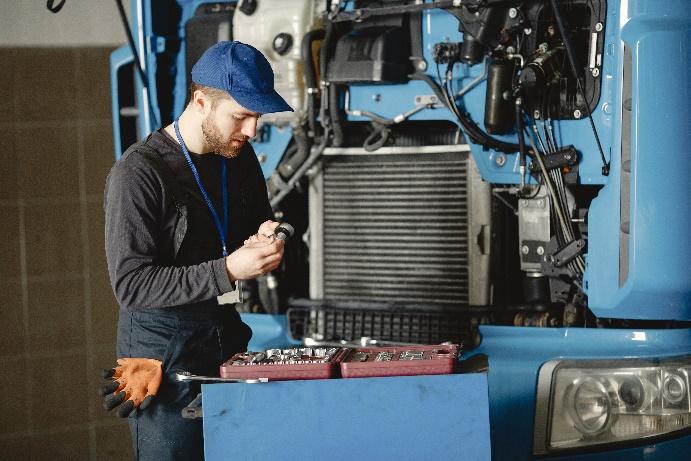
Keeps Production Smooth and Steady
A plant runs best when machines work without breaks. Preventive care helps teams spot small issues before they grow.
- While it stops sudden machine failure.
- Even keeps output steady each day.
- It reduces delivery delays.
As a result, the plant meets targets with ease. Also, workers spend less time fixing faults and more time making products.
Cuts Repair Costs and Saves Money
Fixing a broken machine often costs more than caring for it. Planned checks help avoid big repairs.
- It lowers spare part use.
- While it cuts the labour spent on repairs.
- It avoids loss from idle time.
Therefore, the plant saves money over time. In turn, teams can invest in better tools and skills.
Improves Safety on the Shop Floor
Safety must stay a top goal in every plant. Faulty machines can cause harm.
- It keeps guards and parts in place.
- While it reduces the risk of sudden faults.
- It builds a safe workspace.
Because of this, workers feel secure. They can focus on their tasks without fear.
Boosts Machine Life and Performance
Machines last longer when teams care for them well. Clean parts and timely checks keep them strong.
- It keeps machines in peak state.
- While it reduces wear on key parts.
- It supports smooth operation
So, plants get more value from each machine. In addition, output quality stays high.
Supports Quality in Metal Work
In metal fabrication, even a small fault can ruin a part. Clean and well-set machines shape metal with care.
- It keeps cuts sharp and precise.
- Even avoids waste of raw material.
- It ensures each piece meets the mark
Hence, the final product meets high standards. Clients receive goods they can trust.
Builds a Strong Work Culture
A clear care plan shapes how teams think and act. It shows that the plant values order and discipline.
- It builds team pride.
- Even sets clear roles for workers.
- It keeps daily tasks simple
As a result, workers stay engaged. They take charge of their machines and treat them with care.
Reduces Downtime Across Operations
Downtime slows every part of production. Even a short halt can disrupt the full line. However, regular checks keep machines ready for use.
- It keeps systems ready at all times.
- Even avoids long repair delays.
- It helps teams plan work better
Therefore, production flows without stress. Teams meet schedules with less pressure.
Why Downtime Hurts Output
When a machine stops, the whole process feels the impact. Workers wait, orders pile up, and time slips away. In contrast, steady upkeep keeps work moving without breaks.
Strengthens Planning and Control
A clear metal fabrication care schedule gives teams full control. It helps managers track machine health and plan tasks with care.
- It supports better time planning.
- Also helps track machine condition.
- It reduces guesswork in daily tasks
As a result, the plant runs with order. Teams follow a clear path and avoid confusion.
Role of Maintenance Schedules
A set schedule guides workers on what to check and when to act. It builds a routine that keeps machines in top form. So, no task gets missed.
Enhances Energy Efficiency
Machines that run in poor condition use more power. Dust, wear, and loose parts force systems to work harder.
- It keeps energy use low.
- While it reduces the load on machine parts.
- It supports clean and smooth runs
Thus, plants use less energy. This also helps lower overall running costs.
Helps Meet Industry Standards
Manufacturing plants must follow strict rules. Proper care of metal fabrication helps machines to meet these rules with ease.
- It keeps machines within safe limits.
- Even supports quality checks.
- It avoids rule breaks
Because of this, plants stay ready for audits. They meet standards without last-minute fixes.
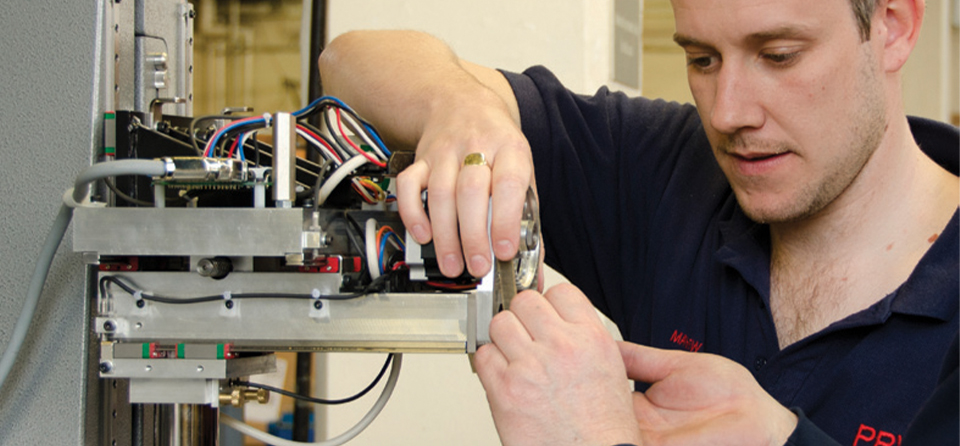
Why Compliance Matters
Rules protect both workers and products. When machines run well, they meet these rules without trouble. This builds trust with clients and partners.
Supports Training and Skill Growth
Maintenance tasks help workers learn more about machines. They gain hands-on skill through daily checks.
- It builds strong technical skills.
- Even helps workers understand machine parts.
- It supports team learning
As a result, teams grow in skill and confidence. They solve issues with ease and speed.
Encourages Early Problem Detection
Small faults often hide in plain sight. However, regular checks bring them to light before they grow.
- It spots loose parts early.
- Even finds wear before damage spreads.
- It reduces sudden breakdowns
Therefore, teams fix issues while they stay small. This keeps machines safe and steady.
Signs Teams Should Watch
Workers should look for heat, noise, or slow movement. These signs often point to deeper issues. Early action keeps machines in good shape.
Builds Long-Term Business Stability
Strong systems support long-term growth. When machines run well, plants deliver on time and keep clients happy.
- It supports steady production.
- Even builds client trust.
- It strengthens the plant’s reputation
In the long run, this brings repeat work and steady growth.
Strengthens Daily Workflow and Team Focus
A well-managed plant runs like a smooth system. When teams follow clear steps, work feels easy and steady. Each task flows into the next without delay. Workers stay alert and carry out their roles with care. As a result, the whole process stays on track and avoids confusion.
Clear Roles Improve Task Flow
- Workers grasp their duties and act with confidence.
- Teams follow set steps and skip no tasks.
- Leaders guide work with simple and clear plans.
- Daily goals stay clear and easy to reach
Conclusion
A smart approach to machine care shapes long-term success in any plant. It keeps systems steady and supports daily work without delays. Machine preventive maintenance also shields workers and cuts sudden repair needs. Because of this, teams focus on quality and meet goals with ease. Over time, plants build trust and boost performance. A steady care routine brings order, safety, and growth, which every manufacturing unit needs to stay strong.
FAQs
- Why should plants care for machines regularly?
Regular care keeps machines running without sudden stops. It helps teams avoid delays and keeps work on track. It also cuts repair needs and supports smooth daily operations across the plant.
- How often should teams check machines?
Teams should follow a set schedule based on machine type and use. Daily, weekly, and monthly checks help spot issues early. This routine keeps machines in good shape and avoids big problems.
- What happens if machines do not get proper care?
Machines can break down without warning and stop production. This leads to delays, higher repair costs, and safety risks. It also affects product quality and puts extra stress on workers.
- Can regular checks improve product quality?
Yes, clean and well-set machines produce better results. They shape and cut materials with more care. This helps reduce waste and ensures that each product meets the required standards.
- Who should handle machine care in a plant?
Trained workers and maintenance teams should handle machine care. They know how machines work and what to check. Clear roles help ensure that no task gets missed and machines stay reliable.
